
Review · NAIROBI
Authentic Kenyan Cooking Class & Market Tour in Nairobi
The best part of this four-hour experience is the move from Nairobi market to Tabitha’s home kitchen. You help choose the food, then see how those ingredients become ugali, pilau, chapati, sukuma wiki, kachumbari, and kuku kienyeji. I like the market stop because it gives the meal a real setting, and I like the home visit because cooking comes with conversation about daily Kenyan life, not just a list of recipes.
The price is $64 per person, including the host, market transport, cooking lesson, lunch, and soft drinks, water, or tea. The main consideration is the limited kitchen space, so this suits you best if you want a personal, social experience rather than a polished school with a large cooking station for every person.
Key points to know before you book
- Market shopping comes first: Meet Tabitha at K-MALL Komarocks parking lot and go with her to buy fresh ingredients.
- You cook in a private home: The class takes place in Tabitha’s home on the outskirts of Nairobi, where space is limited but participation is hands-on.
- The menu covers Kenyan staples: Expect dishes such as ugali, pilau, chapati, sukuma wiki, kachumbari, mukimo, githeri, and kuku kienyeji.
- Lunch is part of the experience: After cooking, you sit down to share the meal with beverages included.
- English and Swahili are available: Tabitha guides the experience in both languages.
- Bring practical basics: Wear comfortable shoes and clothes, carry a camera and some cash, and do not bring weapons or sharp objects.
From K-MALL Komarocks to the local market
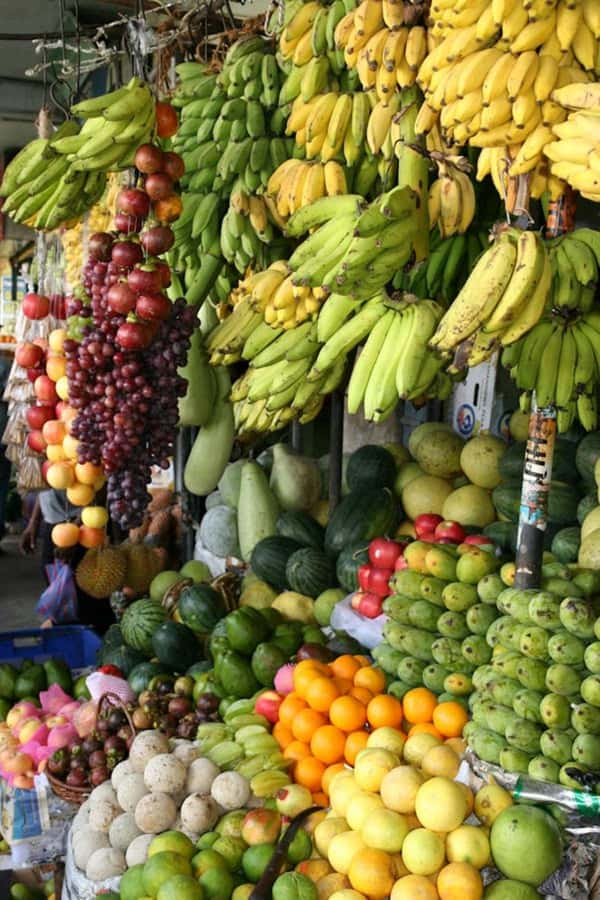
Your meeting point is the K-MALL Komarocks parking lot. From there, Tabitha takes you to a local market before the cooking begins. Transport to and from the market is included, while Uber or other transportation costs outside the stated arrangement are not.
This first stop matters because you are not simply handed a bowl of premeasured ingredients. You see where the meal begins, help select what is needed, and get a close look at an ordinary shopping trip in Nairobi. For someone visiting Kenya for the first time, this is a useful way to connect familiar food names with the produce, spices, and everyday trade behind them.
The market can be busy and lively. That is part of its appeal, but it also means you should wear shoes that can handle walking and uneven ground. Keep your belongings close, follow Tabitha’s lead, and bring cash as requested. You may attract some friendly curiosity as a foreign visitor, which is a normal part of entering a local market rather than a staged tourist stop.
The market portion also gives you a chance to ask questions before the kitchen work starts. You can learn which ingredients go into a dish, how they are selected, and how Kenyan cooks combine simple staples into a complete meal. The exact market route and shopping list can vary, so it is best to treat this as a working food visit rather than a fixed sightseeing circuit.
More Market and Cooking Class Tours in the world:
- Hanoi Cooking Class: Culture, Local Market & Meaning CSR Impact
★ 5.0 · 5,147 reviews - 5 Traditional Dishes Hanoi Cooking Class with Market Trip
★ 5.0 · 4,890 reviews - Cooking Class and Lunch at a Tuscan Farmhouse with Local Market Tour from Florence
★ 5.0 · 4,831 reviews
What cooking in Tabitha’s home feels like
After shopping, you head to Tabitha’s home on the outskirts of Nairobi. This is the heart of the activity. You are not in a restaurant dining room or a demonstration kitchen. You are welcomed into a private home, where the food and the conversation share equal billing.
The kitchen has limited space. That is worth taking seriously if you prefer a formal class with a separate worktop for each person. Here, you help where there is room, taste as food cooks, and learn by watching Tabitha’s methods. The smaller setting can also make the class feel more personal, especially if you enjoy asking questions and chatting as you work.
The cooking is designed to be hands-on. You may help prepare several dishes, follow techniques used in Kenyan homes, and compare flavors as the meal comes together. The experience includes traditional foods rather than one narrow specialty, so you get a broad introduction to Kenyan cooking in a single afternoon.
Tabitha’s hosting is a major part of the appeal. The food is prepared in her home, and time is set aside for conversation with her and her husband. That makes this more than a cooking lesson. You get a window into family life, food customs, daily routines, and the personal stories that are hard to find on a standard city tour.
The Kenyan dishes you may prepare
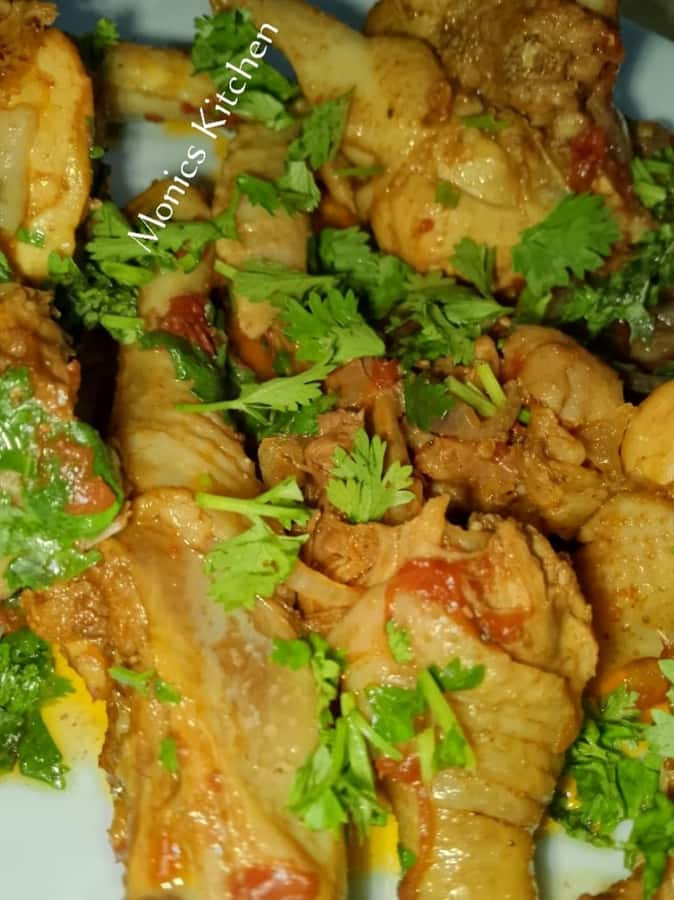
The menu names several well-known Kenyan foods, and the selection may include more dishes than you can reasonably master in four hours. That is fine. Think of the class as an introduction to a group of home-style foods, with practical participation and tasting along the way.
Ugali is one of the country’s best-known staples. Made from maize flour, it is cooked into a firm porridge and used to accompany vegetables, meat, or stews. Learning to prepare it gives you a feel for the texture and timing that a recipe alone cannot provide.
Sukuma wiki is a leafy green vegetable dish often served as an everyday side. Its name is commonly associated with the idea of stretching food through the week. It is a useful example of Kenyan home cooking because it is simple, filling, and made to sit alongside other foods on the plate.
Kachumbari brings a fresh contrast to heavier dishes. This salad is commonly built around chopped vegetables, and its crisp texture helps balance foods such as ugali, pilau, and chicken. Because it is straightforward to prepare, it may be one of the dishes you can most easily recreate at home.
Chapati requires more attention than simply opening a packet of flatbread. The dough, shaping, and cooking all affect the final result. You will not leave with professional skills after one session, but seeing the process in a Kenyan home can help you understand why fresh chapati has a different character from packaged bread.
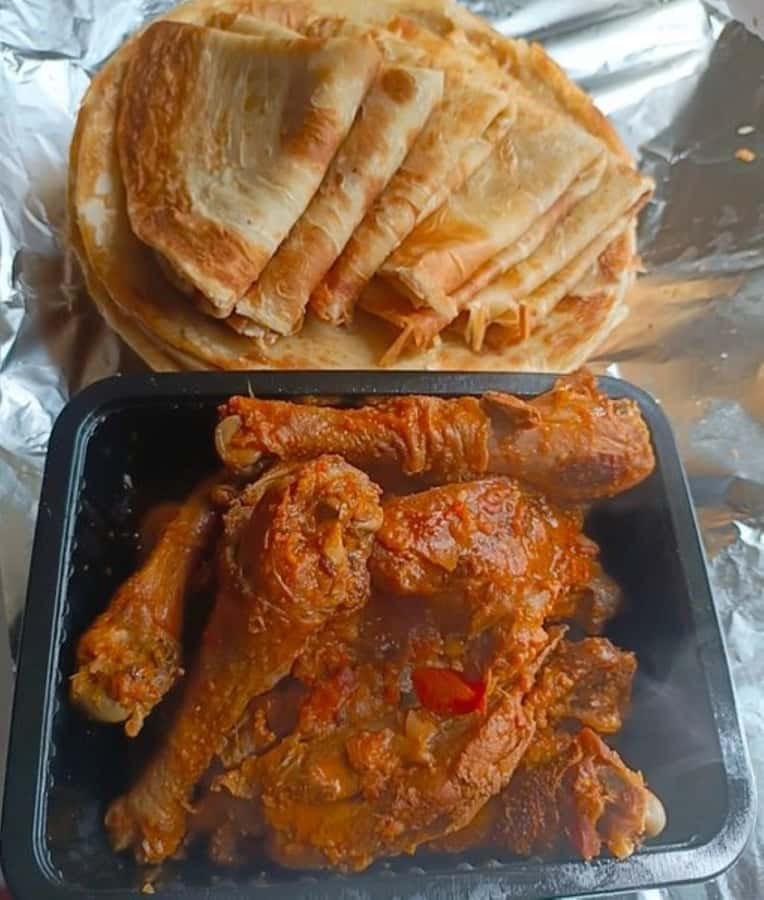
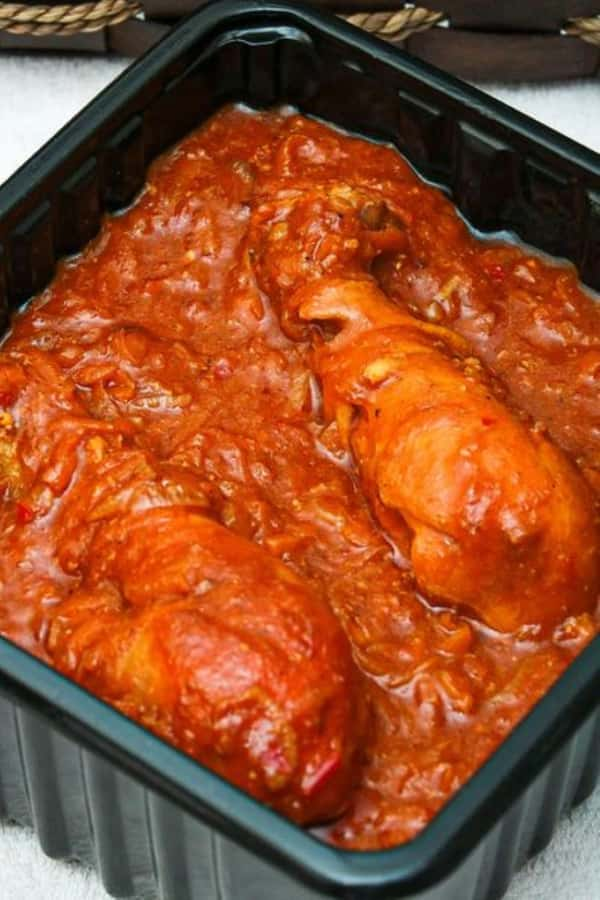
Pilau is a spiced rice dish and one of the more aromatic items on the menu. It shows how seasoning can give a familiar grain a completely different role at the table. The class also includes kuku kienyeji, or traditional-style chicken, which adds a substantial main dish to the meal.
Other named possibilities include mukimo and githeri. Mukimo combines mashed ingredients into a hearty dish, while githeri is associated with beans and maize. The final selection is not presented as a guaranteed fixed menu, so contact the host before booking if one particular dish is the main reason you want to attend.
Why the shared meal matters
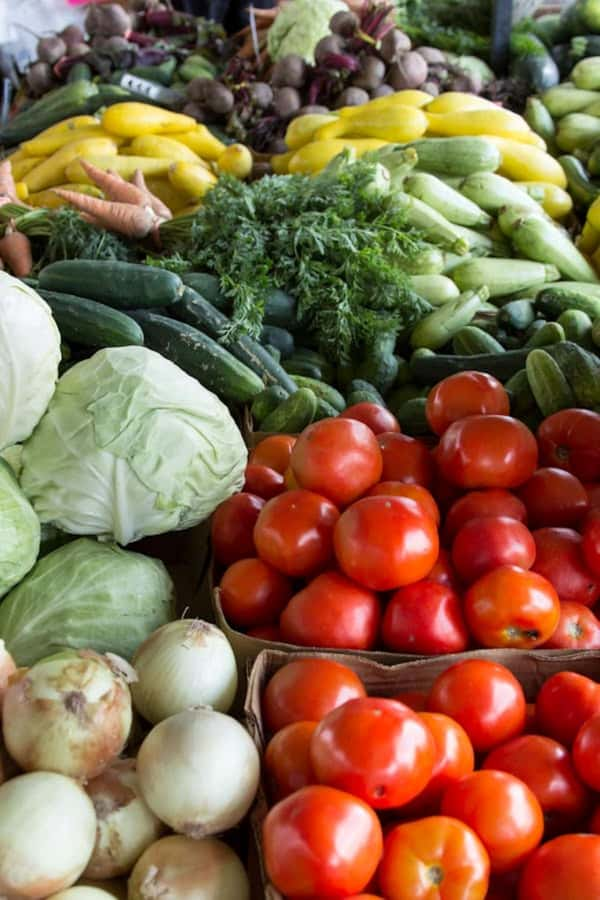
When the cooking is finished, you eat what you helped prepare. That simple step changes the feel of the activity. You are not rushing from a demonstration to the next attraction. You have time to sit, taste the results, and talk with the people who opened their home to you.
Lunch is included, along with soda, water, and tea. Alcohol is not included, so do not expect it as part of the meal. The food is homemade, and that is precisely the point. The experience is about Kenyan flavors as they appear in a local kitchen, not about a restaurant adjusting every dish to international tastes.
I also like that the meal creates space for storytelling. One account of the experience describes conversations about personal challenges, joys, and ordinary life in Kenya. You should not expect a scripted lecture, but you can expect the chance to ask questions and listen to Tabitha’s own perspective.
That human contact is difficult to measure in a price comparison, yet it is central to the value. A market visit shows you public life. Cooking in a home shows you something more private and domestic. Taken together, the two parts give you a better sense of how food fits into Kenyan life.
More market tours around the world:
- Bangkok: Damnoen Saduak Market and Maeklong Railway Market
★ 4.5 · 26,723 reviews - The Old Siam: Damnoen Saduak and Maeklong Railway Market
★ 4.5 · 10,992 reviews - Dubai: Old Town, Creek, Museums, Souks, & Street Food Tour
★ 4.8 · 10,816 reviews - Bangkok: Train Market & Floating Market with Boat Ride
★ 4.7 · 9,547 reviews
Is $64 a fair price?
At $64 per person, this is not the cheapest way to eat lunch in Nairobi. You are paying for more than the food, though. The cost covers a four-hour activity, Tabitha’s hosting, transport to and from the market, a guided market visit, cooking instruction, lunch, and nonalcoholic drinks.
The value is strongest if you would otherwise spend money on separate activities. Instead of arranging a market visit, finding a cooking class, and paying for lunch, you get all three in one booking. The added benefit is the private-home setting, which gives the experience a personal quality that a standard food workshop may not provide.
The value is weaker if you want a highly technical culinary lesson or a large menu with precise recipe instruction. The kitchen has limited space, and the focus is on sharing food and culture as much as on mastering every technique. You should book it for contact and context, not just for a printed recipe collection.
Transportation details deserve attention. The stated arrangement includes transport to and from the market, but Uber or other transportation fees are not included. Confirm how you will reach K-MALL Komarocks and how you will return after the class before the day begins. The meeting point is specific, so do not assume hotel pickup is automatically provided.
Who will enjoy this experience most
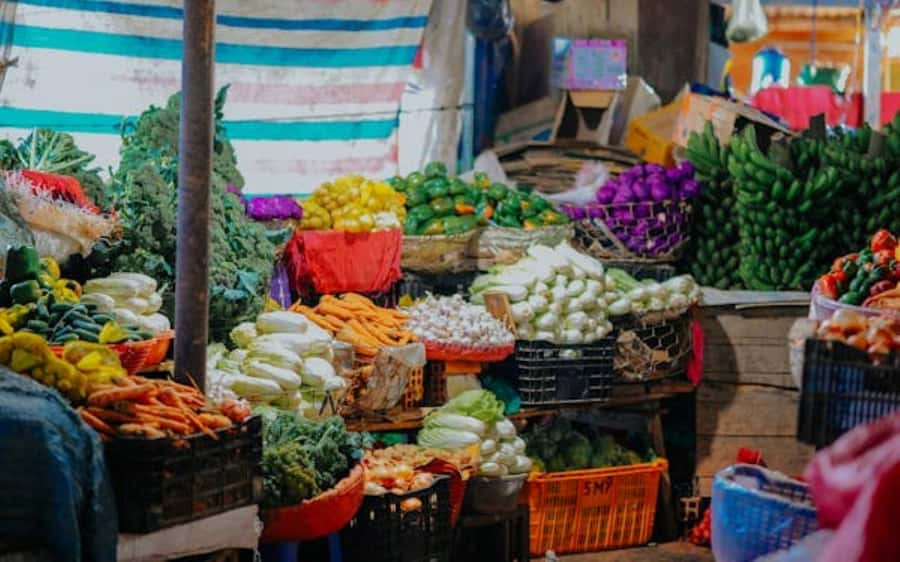
This activity is a strong fit for you if you like to learn by doing. You will get more from it if you are happy to chop, stir, taste, ask questions, and share a table with your host. It also suits people who want to see a quieter side of Nairobi away from the main sightseeing circuit.
Food lovers will appreciate the range of dishes. Families may also find it appealing, since children below 10 years receive free entrance. Still, the cooking space is limited, so parents should consider whether younger children will be comfortable in a small kitchen for several hours.
The experience suits solo visitors, couples, and small groups who enjoy conversation. It is less suitable if you want privacy, a strict timetable, or a fully controlled class environment. You should also look elsewhere if you have food allergies, since the activity is specifically listed as unsuitable for people with food allergies.
The age note is unusual: the activity is not suitable for people over 95 years. That may not affect most bookings, but it is part of the stated conditions. English and Swahili are the working languages, so you should be comfortable with one of them.
Practical tips for a smoother afternoon
Wear comfortable clothes and shoes. The market portion involves walking, and you will be working around a home kitchen afterward. A camera is welcome if you want to record the market and food, but ask before photographing people in the market or inside the home.
Bring some cash. It is listed among the recommended items and may be useful during the market visit, though the covered inclusions do not promise that you will need to spend extra money there.
Come hungry, but not so hungry that you cannot enjoy the process. The food is served after preparation, and tasting along the way is part of the class. The meal is substantial enough to count as lunch, with soda, water, and tea included.
Do not bring weapons or sharp objects. This rule is clearly stated and may affect what you carry if you are coming from another activity. If you have a serious food restriction, ask before booking rather than hoping it can be handled on the day.
The experience lasts four hours, but starting times depend on availability. Check the date and time carefully, then allow enough time to reach the K-MALL Komarocks meeting point. Free cancellation is available up to 24 hours in advance, and you can reserve now and pay later, which helps if your Nairobi schedule is still changing.
How it compares with a standard Nairobi food tour
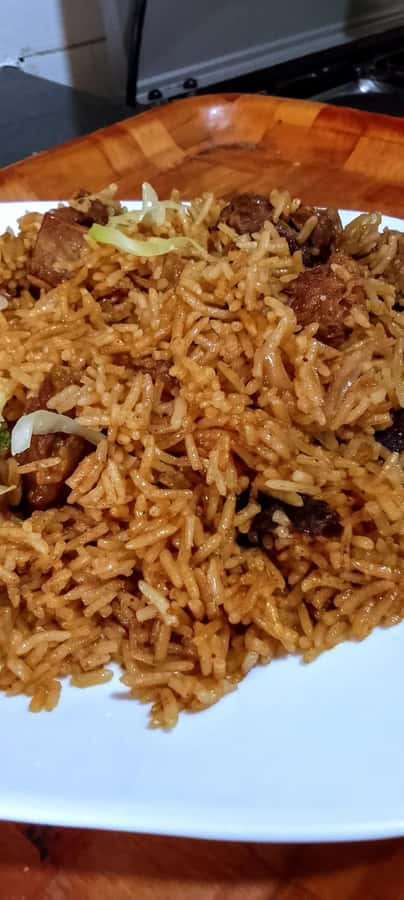
A typical city food tour may take you between restaurants, stalls, and public sights. This experience takes a different route. The market is followed by a meal prepared in a private home, so the focus shifts from sampling to participation.
That difference is important. You will probably see less of Nairobi’s major landmarks, and the activity does not promise a broad city tour. In return, you spend time with Tabitha and her family, learn how several Kenyan dishes come together, and share the results at the same table.
The setting also means the day can feel less polished. Markets are noisy, kitchens can be tight, and timing may depend on cooking rather than a strict sightseeing clock. I see that as a fair trade if your goal is ordinary local life instead of a performance built for large groups.
People who want a personal cultural exchange should put this near the top of their Nairobi list. People who mainly want restaurant recommendations, nightlife, or a formal chef-led workshop may find another format better.
Should you book the Kenyan cooking class?
Book this if you want to connect a Nairobi market with a home-cooked Kenyan meal. Tabitha’s warm hosting, the chance to cook several local dishes, and the time spent talking in her home give the four hours a clear purpose. The strongest moments are likely to come from the simple details: shopping for ingredients, tasting food as it cooks, and sharing lunch afterward.
Think twice if you have food allergies, dislike shared kitchen spaces, or need a highly structured lesson. Also confirm transportation to K-MALL Komarocks and the exact menu if you have your heart set on one dish.
For most food-minded visitors, the $64 price is reasonable because it combines transport, market access, instruction, lunch, and a personal home visit. You are paying for a conversation and a connection as much as for the meal. If that is the kind of Nairobi memory you want, this is a worthwhile choice.
FAQ
Where does the experience begin?
The meeting point is the K-MALL Komarocks parking lot. From there, you proceed to the local market with the host.
How long does the activity last?
The activity lasts four hours. Starting times depend on availability.
What food will I learn to prepare?
The experience focuses on Kenyan dishes such as kachumbari, sukuma wiki, ugali, chapati, pilau, and kuku kienyeji. Mukimo and githeri are also listed among the possible dishes.
Is lunch included?
Yes. Lunch is included, along with soda, water, and tea.
Is transportation included?
Transport to and from the market is included. Uber and other transportation fees are not included.
Which languages are spoken?
The live tour is offered in English and Swahili.
Can children join the activity?
Children below 10 years receive free entrance. The cooking space is limited, so families should consider the suitability of a small kitchen setting.
Is the activity suitable for people with food allergies?
No. The experience is listed as unsuitable for people with food allergies.
Can I cancel or pay later?
You can cancel up to 24 hours in advance for a full refund. You can also reserve now and pay later.
New market tours around the world
- Tel Aviv: Carmel Market & Neighborhood Guided Walking Tour★ 4.7 · 3 reviews
- Tel Aviv: 2-Hour Carmel Market Tour in English with Lunch★ 4.8 · 23 reviews
- Tel Aviv: 2-Hour Jaffa Flea Market Tour with Tastings★ 4.9 · 8 reviews
- Tel Aviv: Carmel Market Food Tasting Tour “Shuk Hacarmel”★ 4.0 · 8 reviews
- Tel Aviv: 2-Hour Levinsky Market Tour with Full Lunch★ 4.7 · 10 reviews
- Tbilisi 2 Parks: Turtle Lake & Dedaena Park with Flea Market★ 5.0 · 3 reviews
- Tbilisi: Street Food & Sightseeing Tour with Local Markets★ 5.0 · 8 reviews
- Teguise: Market and César Manrique Foundation Tour★ 4.3 · 39 reviews
Nairobi Market Tours, side by side.
Traditional Kenyan Cooking Class & Local Market Tour
Read our review →
Memorable Daily KIBERA Slums/Toi Market Tour with Locals (2 hours)
Read our review →
Nairobi: Hop on Hop off and Maasai market Collections Visit
Read our review →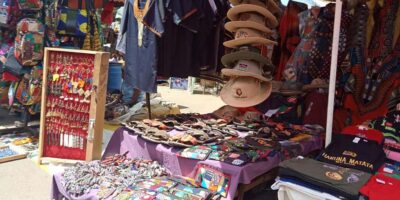
Nairobi: Explore Maasai Market for Unique Souvenirs
Read our review →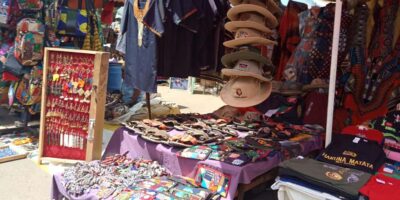


Nairobi Traditional Cooking Classes and Local Market Visit
Read our review →This tour also appears in