
Review · NAIROBI
Nairobi: Explore Maasai Market for Unique Souvenirs
Nairobi’s Maasai Market is best approached with a local who knows how the buying works. This tour pairs you with a guide who can explain the crafts, introduce you to artisans, and help you bargain without turning every purchase into a wrestling match. I especially like the direct contact with makers and the chance to visit city gift shops and wholesale outlets, not just one market stall. The $10 price is also hard to beat.
The main consideration is time. Two hours passes quickly, especially if you want to shop, talk with artisans, and add a short city-center walk. The market also changes location on some weekdays, so confirm the meeting details and exact market stop before setting out.
Key points at a glance
- Meet at Hilton Arcade: The tour begins along Mama Ngina Street, near the city center.
- Learn to bargain fairly: Your guide helps with prices, translation, and knowing when an item is worth buying.
- See more than one shopping stop: The route can include local gift shops, craft centers, wholesale stores, and Maasai Market.
- Talk with artisans: You can ask how jewelry, beadwork, textiles, carvings, and paintings are made.
- Keep the tour flexible: You can focus on gifts, cultural conversation, sightseeing, or errands in central Nairobi.
- Bring cash and wear good shoes: This is a walking tour, and many vendors may not accept cards.
Why a guide helps at Nairobi’s Maasai Market
Shopping in a craft market is not difficult, but it can be tiring when every price, material, and sales pitch must be sorted out on your own. A local guide gives you a second opinion. You can ask if a price seems reasonable, whether an item looks well made, and how to say what you mean in a friendly way.
That help matters most if you are new to bargaining. Negotiation is part of the market, but it works best when you stay polite, smile, and know when to walk away. Your guide can help you bargain with confidence rather than simply pushing for the lowest possible price.
The guide also helps you look past the surface. A necklace may be attractive, but you may want to know how the beads were made, what materials were used, or whether you are buying directly from the person who made it. The tour is designed to support local artisans and small craft businesses rather than treating the market as a place to grab anonymous souvenirs.
The experience is led in English. The guide can also assist with language barriers, which is useful when you want to ask detailed questions about a handmade item.
More Market Shopping Tours around the world:
- Marrakesh: Guided Souk Shopping Tour with a Local Guide
★ 4.9 · 651 reviews - Shopping in the Souks of Marrakech Private Tour
★ 5.0 · 620 reviews - Cairo: Local Markets & Khan el Khalili Private Shopping Tour
★ 4.6 · 614 reviews
Starting at Hilton Arcade on Mama Ngina Street
You meet at Hilton Arcade along Mama Ngina Street. This gives the tour a clear central starting point, and the first part of the outing takes place on foot.
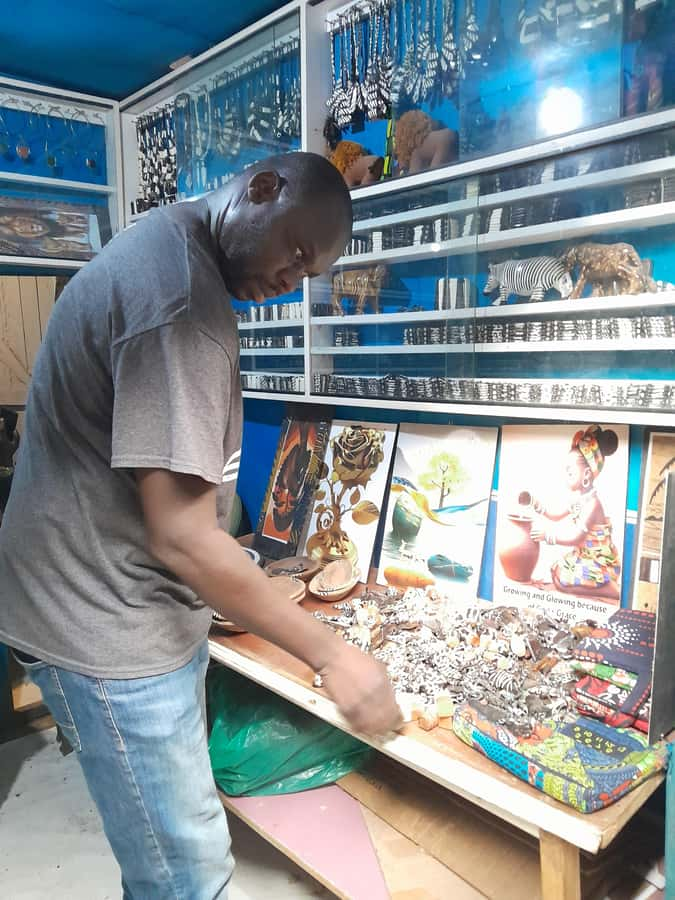
The route begins with local gift and craft shops in the city center. These shops can be a useful first stop because you get time to look at different types of goods before reaching the larger open-air market. You might see jewelry, textiles, carvings, paintings, and beadwork in a more settled shop setting.
I like this order. It lets you compare quality and prices before the market gets busy with choices and sales conversations. It also gives you a chance to tell the guide what you actually want. If you are shopping for small gifts, home decorations, clothing, or a particular type of Kenyan craft, say so early.
The itinerary is flexible. You can spend more time browsing, shorten the shopping, or add a brief walk and sightseeing in central Nairobi if time allows. You can also ask for help with a simple errand in town, though shopping is the main purpose of the outing.
Inside the open-air Maasai Market
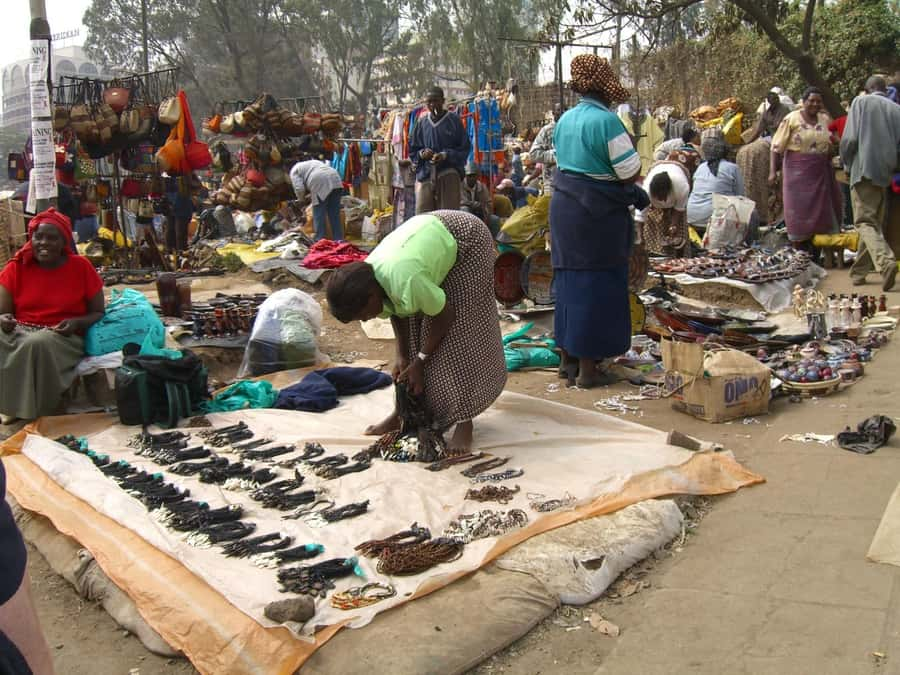
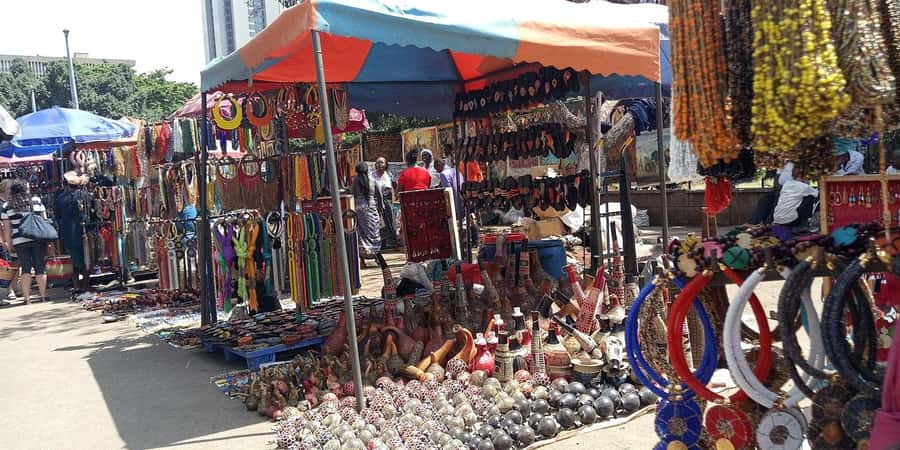
The Maasai Market is the central event. It is an open-air bazaar where many artisans and vendors sell handmade goods. The range can be wide, so the market is better for browsing than for finding one exact product at a guaranteed stall.
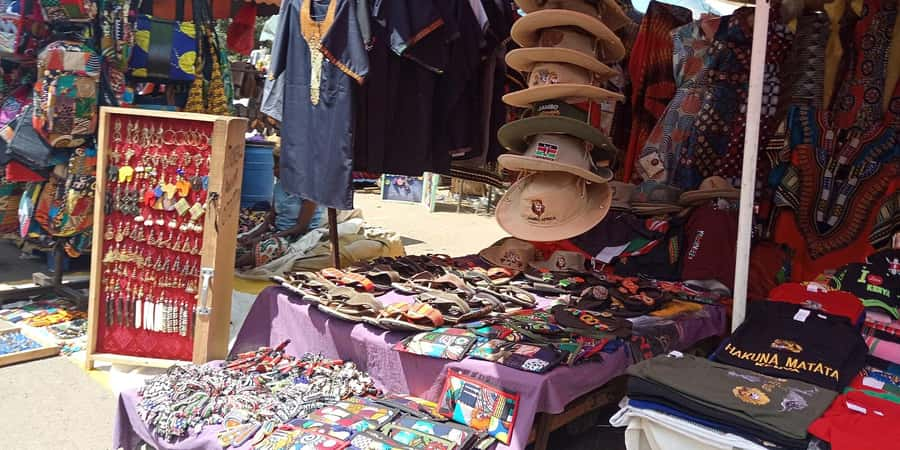
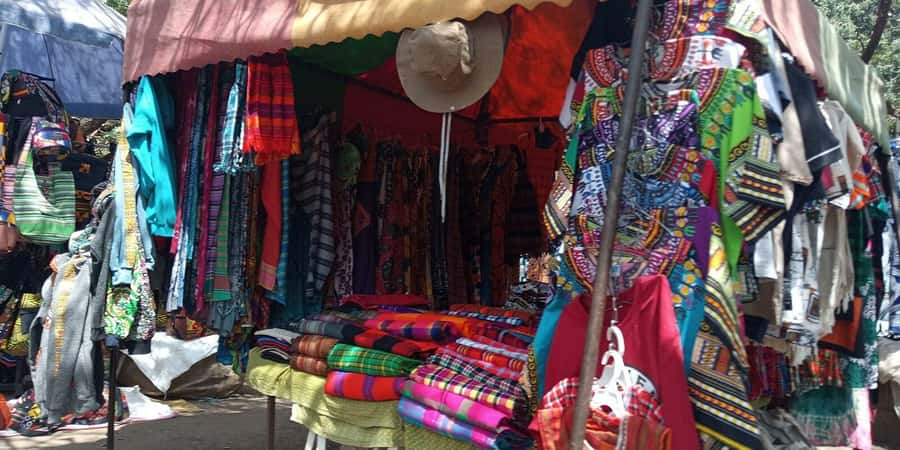
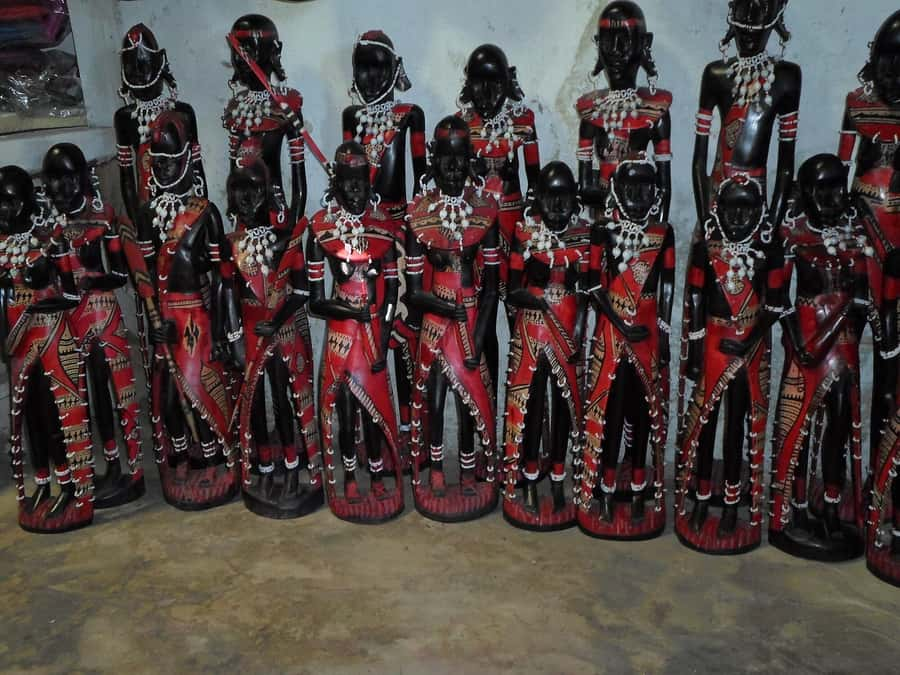
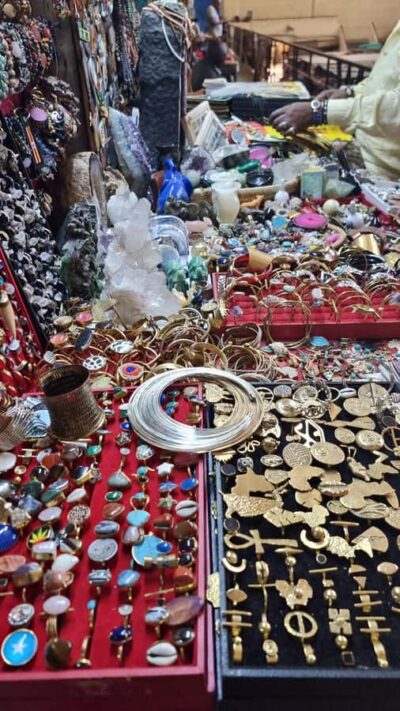
Expect plenty of visual choices: colorful beadwork, handmade jewelry, textiles, carved items, paintings, and other crafts. Some pieces are small and easy to pack. Others may be bulky or fragile. If you buy something large, your guide can help you carry it during the walk.
The market is also a place for conversation. You can meet people involved in making or selling the crafts and ask about their work. That human contact gives your purchases more meaning, especially if you are looking for gifts connected to Kenya rather than generic airport merchandise.
The atmosphere can be lively and persistent. Sellers may approach you, and you may need to say no several times before moving on. This is not a quiet museum visit. Your guide helps you manage the attention, keep the mood pleasant, and focus on items that interest you.
Keep your phone, wallet, and passport secure. Crowded markets can attract pickpockets, and you should avoid displaying large amounts of cash. A small crossbody bag worn in front or a zipped day bag is a sensible choice.
Bargaining without losing the fun
Bargaining is one of the most useful parts of the tour. Your guide can translate, suggest a fair price, and help you understand how much room there is to negotiate.
The goal is not to force every seller into an unworkable price. Handmade goods take time, and the point of the tour is to support direct local trade. A fair bargain lets you save money while still paying an amount that respects the person who made or sold the item.
I suggest choosing a few pieces you genuinely like before negotiating. Ask the price, consider the quality, and then make a polite offer. If the price does not work for you, thank the seller and move on. Sometimes that is the end of the conversation, and sometimes the seller offers a different price.
Your guide can also point out signs of quality. Look closely at stitching, bead attachment, painted surfaces, carving details, and the overall finish. Handmade items need not be perfect, but poor construction is different from charming variation.
This is where the tour provides value beyond simple directions. A self-guided shopper can bargain, but may not know if an item is well made or if a similar piece is sold elsewhere for less. With a guide beside you, you can compare before committing.
More market tours around the world:
- Bangkok: Damnoen Saduak Market and Maeklong Railway Market
★ 4.5 · 26,723 reviews - The Old Siam: Damnoen Saduak and Maeklong Railway Market
★ 4.5 · 10,992 reviews - Dubai: Old Town, Creek, Museums, Souks, & Street Food Tour
★ 4.8 · 10,816 reviews - Bangkok: Train Market & Floating Market with Boat Ride
★ 4.7 · 9,547 reviews
Craft shops, wholesale stores, and local entrepreneurs
The experience can include other craft production and selling centers after the Maasai Market. You can continue shopping if you still have time and energy, or keep the outing focused on the main market.
One useful possibility is a wholesale shop. A wholesale outlet may sell goods at prices lower than the smaller shops because local retailers also buy stock there. That can be helpful if you need several gifts or want to compare the cost of buying from a large supplier with the price at a smaller retail stall.
Wholesale shopping has a tradeoff. It may feel less personal than meeting an individual maker, and the selection may be more practical than distinctive. Still, it gives you a better sense of how craft goods move through Nairobi’s shopping system.
The tour also seeks out social-impact entrepreneurs in the handmade industry. The information provided does not guarantee a fixed list of businesses, so the exact stops can change. That flexibility is useful if you care about supporting small producers, but you should ask the guide what each shop does and who benefits from your purchase.
What the two-hour schedule really means
The advertised duration is two hours. That is enough for a focused introduction to Nairobi’s craft shopping, especially if you already know what you want.
It is not enough for a leisurely market day with long conversations, extensive bargaining, several distant craft centers, and a full city tour. You will need to choose your priorities. If buying gifts is the main goal, tell the guide at the start. If you care more about cultural background and meeting artisans, allow more time for conversation and accept that you may visit fewer shops.
The supplied route includes a walking segment listed as 15 hours, which conflicts with the stated two-hour duration. That appears to be a scheduling or formatting error. Confirm the actual walking time and route before booking, particularly if you have a tight connection, a scheduled meal, or another Nairobi activity afterward.
The market can also move to different locations during the week, while remaining in one place on weekends according to the information provided. Ask where the market will be on your date. This is one of the most important practical questions to settle before meeting the guide.
Getting value from a $10 tour
At $10 per person, this is an inexpensive way to get local shopping help in central Nairobi. You are paying for a guided walk, bargaining support, translation, quality advice, introductions to craft sellers, and some flexibility in the route.
The value is strongest if you plan to buy something. A guide may help you avoid an overpriced purchase or a poorly made item, and that can cover much of the tour cost by itself. The service also saves you the trouble of finding several shopping areas on your own.
The price does not include your purchases. Bring extra cash if you hope to shop, and do not assume every seller accepts credit cards. Keep small notes available where possible, while storing the rest of your money securely.
The tour is less useful if you dislike shopping or want a formal history walk with little buying involved. You can add city sightseeing, but the main focus is crafts, bargaining, and local business connections.
Comfort, safety, and respectful shopping
Wear comfortable shoes. You will walk through city streets and market areas, and standing around while comparing goods can take more energy than expected.
Nairobi weather can change, so bring a hat and sunscreen for a sunny day and a light jacket for cooler conditions. The market is outdoors, and the experience may be less comfortable in poor weather.
Smoking, alcohol in a vehicle, food in a vehicle, and littering are not allowed. Since this is primarily a walking activity, the vehicle rules may not affect most participants, but follow the guide’s instructions if transport becomes part of the route.
Respect matters. Ask before photographing people or their work, listen when an artisan explains a product, and avoid treating the market like a stage set. A calm, polite approach usually makes bargaining easier and conversations more rewarding.
The tour has received five-star ratings, with particular praise for guides who pay attention to requests, explain local life, and help participants feel secure. One account specifically describes feeling safe while exploring with the guide as two women. That is useful if you want support in a busy shopping area rather than handling every interaction alone.
Who should book this experience
I would choose this tour if you want authentic gifts but are unsure where to shop or how to negotiate. It is also a good match for first-time visitors who want a short, practical introduction to Nairobi’s craft scene.
You will get the most from it if you are open to changing the route. The guide can adapt the outing around jewelry, textiles, carvings, paintings, or other interests, but the exact mix of shops and market stops may vary.
This may not suit you if you prefer to shop silently and independently, or if you need a long, slow visit at one particular market. The two-hour format favors a focused outing. It gives you a helpful start, not an entire day of browsing.
Should you book the Maasai Market tour?
Book it if you want local help, fairer bargaining, direct contact with craft sellers, and a low-cost way to explore Nairobi shopping without planning every stop yourself. The guide’s help with quality, prices, language, and carrying purchases is especially useful for first-time market shoppers.
Before you go, confirm the meeting point, the market location for your date, and the real walking schedule. Bring cash, protect your belongings, and tell the guide what you want to buy. With those details handled, this is a practical two-hour introduction to Nairobi’s handmade goods and local enterprise.
FAQ
Where does the tour begin?
Meet your guide at Hilton Arcade along Mama Ngina Street in central Nairobi.
How long does the experience last?
The stated duration is two hours. A separate route detail lists a 15-hour walking segment, which conflicts with that duration, so confirm the actual schedule before booking.
What language does the guide speak?
The live tour guide speaks English.
What can I buy during the tour?
You may find handmade jewelry, textiles, carvings, paintings, beadwork, and other craft items at local shops and the Maasai Market.
Does the guide help with bargaining?
Yes. The guide provides bargaining tips, translation help, price feedback, and advice on the quality of items.
Can I meet the people who make the crafts?
The tour includes opportunities to meet local artisans and social-impact entrepreneurs involved in handmade goods.
Can the route be customized?
Yes. The itinerary is flexible and can be shaped around your shopping interests, additional craft stops, a short city-center walk, sightseeing, or an errand in town.
Should I bring cash?
Yes. Cash is recommended because not all vendors may accept credit cards.
What should I wear?
Wear comfortable shoes for walking. A hat and sunscreen may help on sunny days, while a light jacket is useful in cooler weather.
How far in advance can I cancel?
You can cancel up to 24 hours before the activity for a full refund. You can also reserve now and pay later, subject to the booking terms.
New market tours around the world
- Tel Aviv: 2-Hour Carmel Market Tour in English with Lunch★ 4.8 · 23 reviews
- Tel Aviv: Carmel Market & Neighborhood Guided Walking Tour★ 4.7 · 3 reviews
- Tel Aviv: 2-Hour Jaffa Flea Market Tour with Tastings★ 4.9 · 8 reviews
- Tel Aviv: Carmel Market Food Tasting Tour “Shuk Hacarmel”★ 4.0 · 8 reviews
- Tel Aviv: 2-Hour Levinsky Market Tour with Full Lunch★ 4.7 · 10 reviews
- Tbilisi 2 Parks: Turtle Lake & Dedaena Park with Flea Market★ 5.0 · 3 reviews
- Tbilisi: Street Food & Sightseeing Tour with Local Markets★ 5.0 · 8 reviews
- Teguise: Market and César Manrique Foundation Tour★ 4.3 · 39 reviews
Nairobi Market Tours, side by side.
Traditional Kenyan Cooking Class & Local Market Tour
Read our review →
Memorable Daily KIBERA Slums/Toi Market Tour with Locals (2 hours)
Read our review →
Authentic Kenyan Cooking Class & Market Tour in Nairobi
Read our review →
Nairobi: Hop on Hop off and Maasai market Collections Visit
Read our review →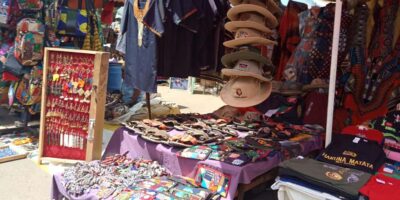

Nairobi Traditional Cooking Classes and Local Market Visit
Read our review →This tour also appears in