
Review · NAIROBI
Nairobi Traditional Cooking Classes and Local Market Visit
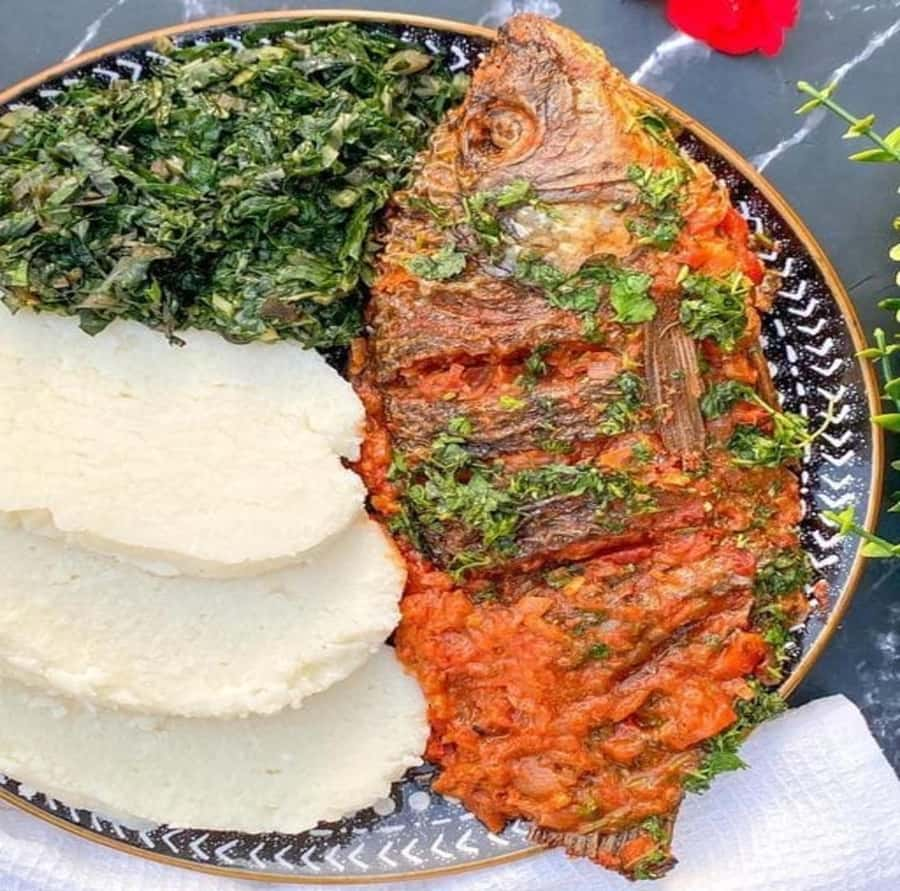
The best part of this Nairobi experience happens in a modest home kitchen, where you help turn market produce into a Kenyan meal. You shop with your host first, then cook dishes such as ugali, pilau, chapati, and mukimo before sitting down to eat what you helped prepare.
I like the direct look at daily life, and I like that the experience includes both a farmer’s market and street food. Tasha, the cook named in the booking feedback, gives guests choices such as beef stew with ugali and brings a warm, funny approach to the class.
The main consideration is that the host’s home is not easy to reach by public transport. Confirm your pickup details carefully, and ask about the extra cost if you need the host to arrange transport beyond the included service.
Key things to know before booking
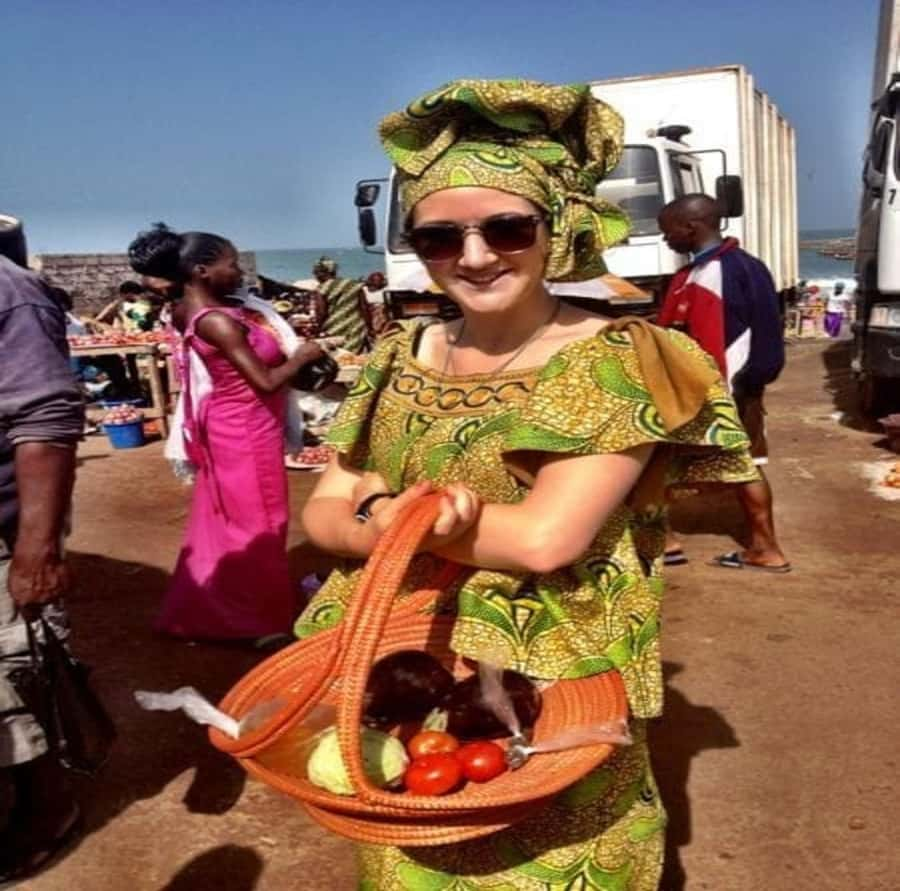
- Shop before you cook: Spend about one hour at a local Nairobi food market choosing fresh produce with your host.
- Cook in a real home: The class takes place in a modest kitchen outside the city, not a purpose-built culinary school.
- Tasha may offer menu choices: Beef stew with ugali was one especially successful combination mentioned in the booking feedback.
- Expect a broad Kenyan menu: Possible dishes include pilau, mukimo, chapati, githeri, mandazi, matoke, fish, and sweet potatoes.
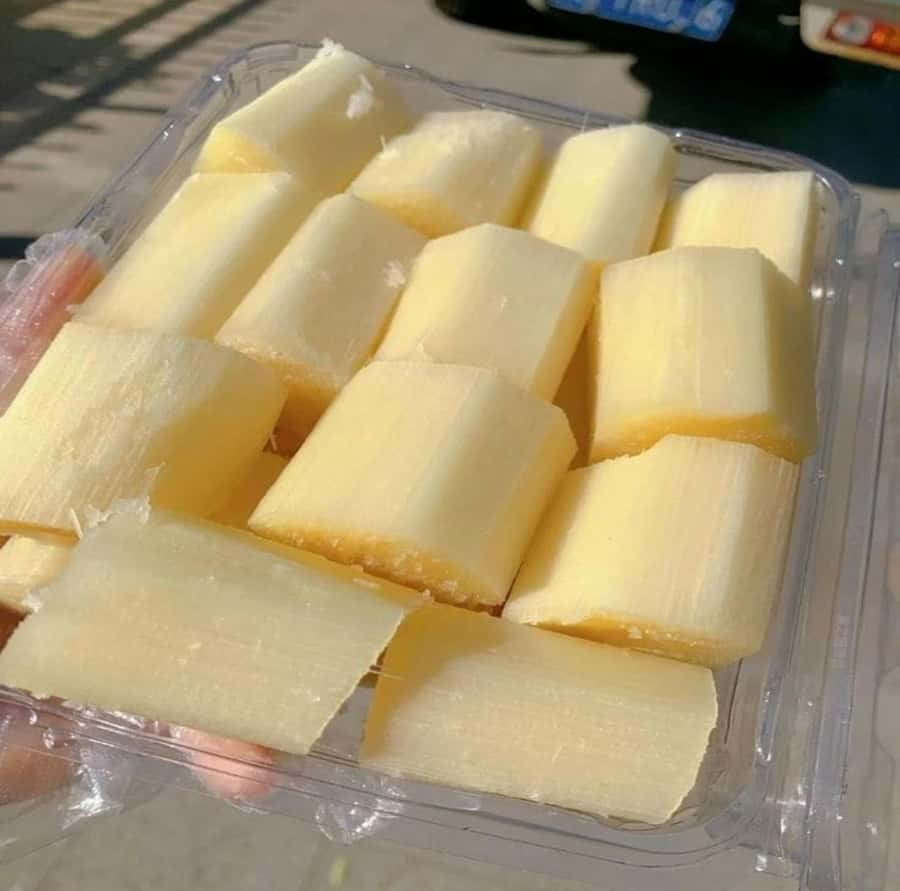
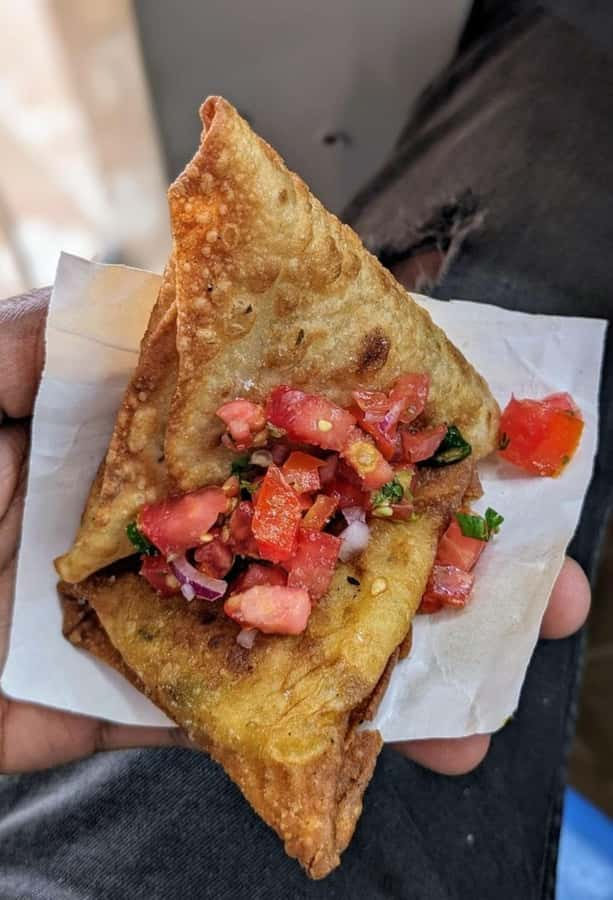
- Street food finishes the day: Smocha, smokie, boiled eggs, roasted maize, and sugarcane are included along the route to your drop-off.
- Private transport saves time: Pickup and return are available in Westlands, Karen, or Parklands, with the five-hour outing priced at $100 per person.
A market visit that gives the cooking class purpose
The outing begins with pickup from Westlands, Karen, or Parklands. From there, you head to a local farmer’s market for about an hour. This is more useful than simply arriving at a kitchen with ingredients already laid out, because you get to see the food before it reaches the plate.
You shop with your host for the produce used in the meal. The market stop also gives you a first look at how food is bought in Nairobi, with fresh fruits and vegetables forming the link between the city and the cooking session that follows.
I like this sequence. It makes the class feel connected to everyday life rather than staged as a restaurant demonstration. You can ask about ingredients as you see them, and you get a clearer idea of what goes into familiar Kenyan dishes.
The market is also the least controlled part of the outing. Expect a local shopping stop, not a polished sightseeing attraction. The precise market and the exact ingredients depend on the menu and the day, so keep your expectations flexible.
More Local and Farmers Market Tours in the world:
- Hanoi Cooking Class: Culture, Local Market & Meaning CSR Impact
★ 5.0 · 5,147 reviews - Cooking Class and Lunch at a Tuscan Farmhouse with Local Market Tour from Florence
★ 5.0 · 4,831 reviews - Chef Guided Food Tour of Pike Place Market
★ 5.0 · 3,733 reviews
From Nairobi streets to a local family kitchen
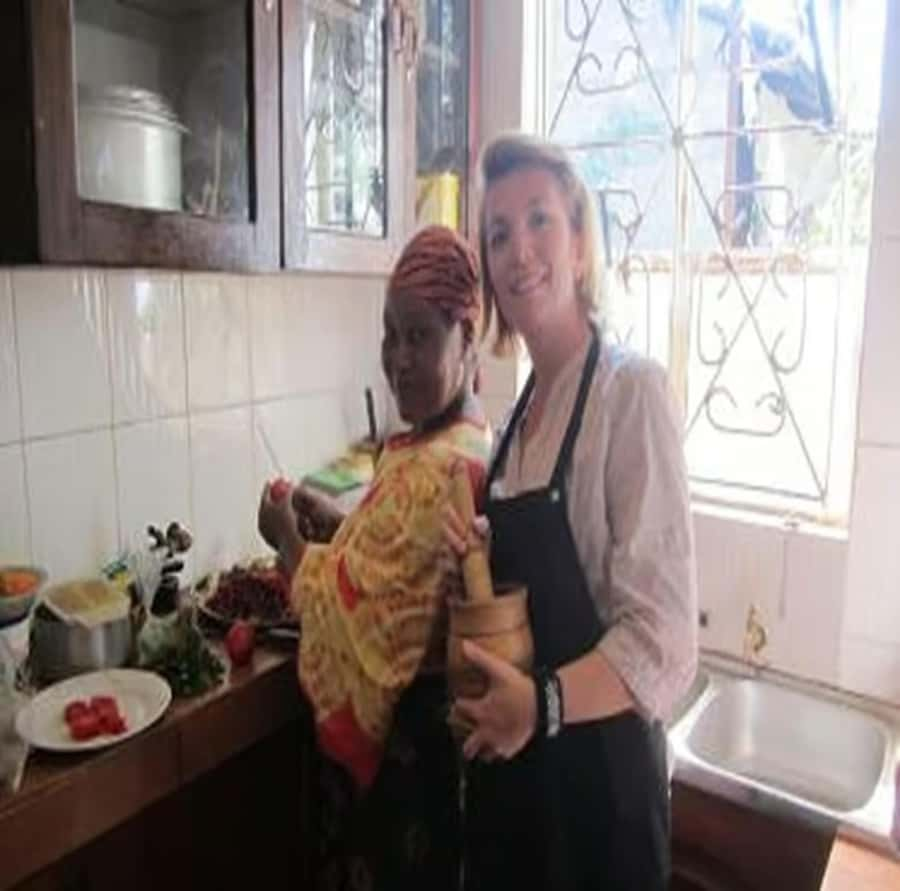
After shopping, you travel to the host’s home just outside the city. The kitchen is described as modest in size, which matters if you prefer a formal classroom with wide work surfaces and individual cooking stations. This is a home-based experience, so the setting is intimate and practical.
Your host primarily handles the cooking, but you can lend a hand when possible. That means you should not expect to prepare every dish from start to finish. Instead, the value comes from taking part, learning the methods, hearing stories about local heritage, and seeing how food fits into a typical Kenyan household.
This balance may suit you if you want contact with local life without needing advanced cooking skills. It may disappoint you if you are looking for a demanding chef-led workshop where you chop, season, and cook every course yourself.
The private format helps here. A private group is available, and the activity is designed around your own party rather than a large class. That should make it easier to ask questions, follow the host’s pace, and join in when the kitchen allows.
What you might cook, from ugali to mandazi
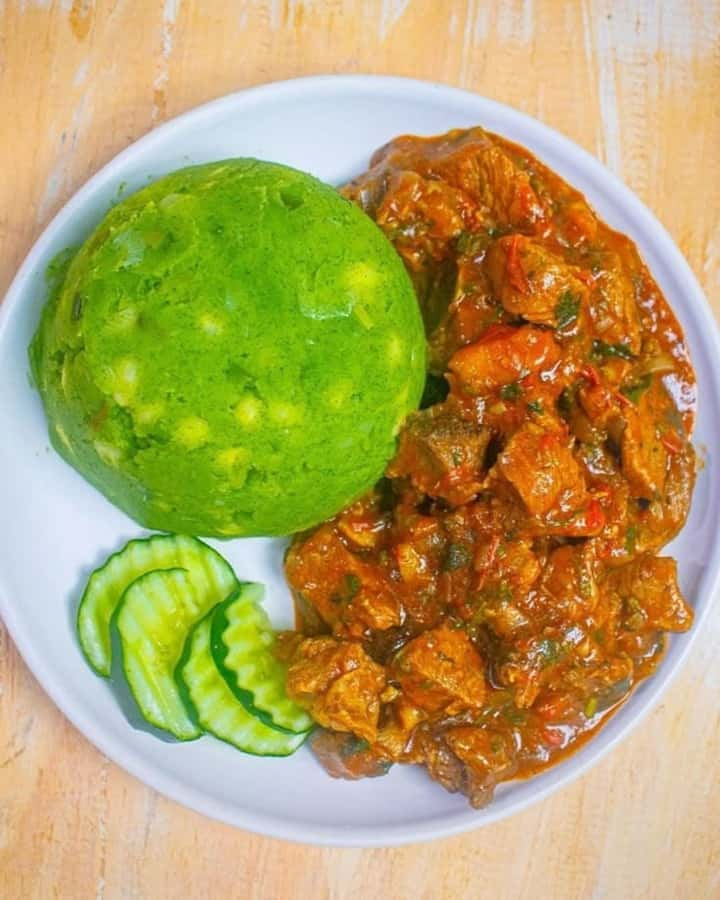
The menu can cover a wide range of Kenyan home cooking. Possible dishes include boiled potatoes, ugali, Kenyan pilau, mukimo, chapati, sweet potatoes, mandazi, fish, githeri, fresh corn, and matoke.
Ugali is a firm maize-based staple often served alongside stews and other savory foods. Pilau brings seasoned rice to the table, while chapati offers a soft, pan-cooked bread. Mukimo is a mashed mixture traditionally made with ingredients such as potatoes and greens, though the exact preparation can vary.
Githeri, made from beans and maize, is another filling everyday dish. Mandazi provides a sweet finish, and the inclusion of matoke, fish, corn, and sweet potatoes gives the meal a broad sampling of Kenyan flavors and ingredients.
Do not assume every item listed will appear in one sitting. The host may shape the meal around the market shopping and your group’s choices. In the booking feedback, Tasha offered several options, and the group chose beef stew with ugali. That is a helpful sign for anyone who prefers some control over the final meal.
Tasha’s role makes the class feel personal
Tasha is the cook specifically identified in the booking feedback. Her role appears to be more than simply demonstrating recipes. She offers menu choices, keeps the session active, and shares stories about local heritage while the food is prepared.
The strongest praise centers on her personality and cooking. She was described as funny, proactive, and a great cook, with the finished meal turning out very tasty. That combination matters in a home class. A skilled cook can make the food work, but a lively host makes it easier for you to participate.
You should still remember that individual experiences can vary with the group, menu, and timing. The tour is conducted in English, and the host’s approach may be conversational rather than technical. If you want exact measurements and formal recipe sheets, ask before booking because those details are not provided.
More Market and Cooking Class Tours in the world:
- 5 Traditional Dishes Hanoi Cooking Class with Market Trip
★ 5.0 · 4,890 reviews - Chiang Mai: Cooking Class, Market & Thai Herbs Garden Tour
★ 4.9 · 4,824 reviews - Chiang Mai: Authentic Cooking Class with Market & Farm Visit
★ 4.9 · 4,546 reviews - Barcelona: Paella Cooking Experience & Boqueria Market Tour
★ 4.8 · 3,661 reviews
Eating what you helped prepare

Lunch is part of the experience, not an extra stop at a separate restaurant. After the cooking session, you eat the meal prepared in the home. This gives the five-hour outing a satisfying shape: shop for food, help prepare it, then share the result.
I like the sense of cause and effect. The market produce is not just something you pass on the way to the main event. It becomes part of the meal, and you can connect the ingredients, preparation, and final dishes in one afternoon.
The menu also gives you room to compare textures and flavors. A plate might include a staple such as ugali, a stew or fish dish, vegetables, and something sweet such as mandazi. The supplied menu is broad, but the exact selection is not fixed, so tell the host about any preferences or concerns when you make contact.
Alcohol and drinks are not included. Bottled water is included, which is useful during a five-hour food-focused outing. If you want anything beyond the included water and meal, budget separately.
Street food adds a second view of Kenyan eating
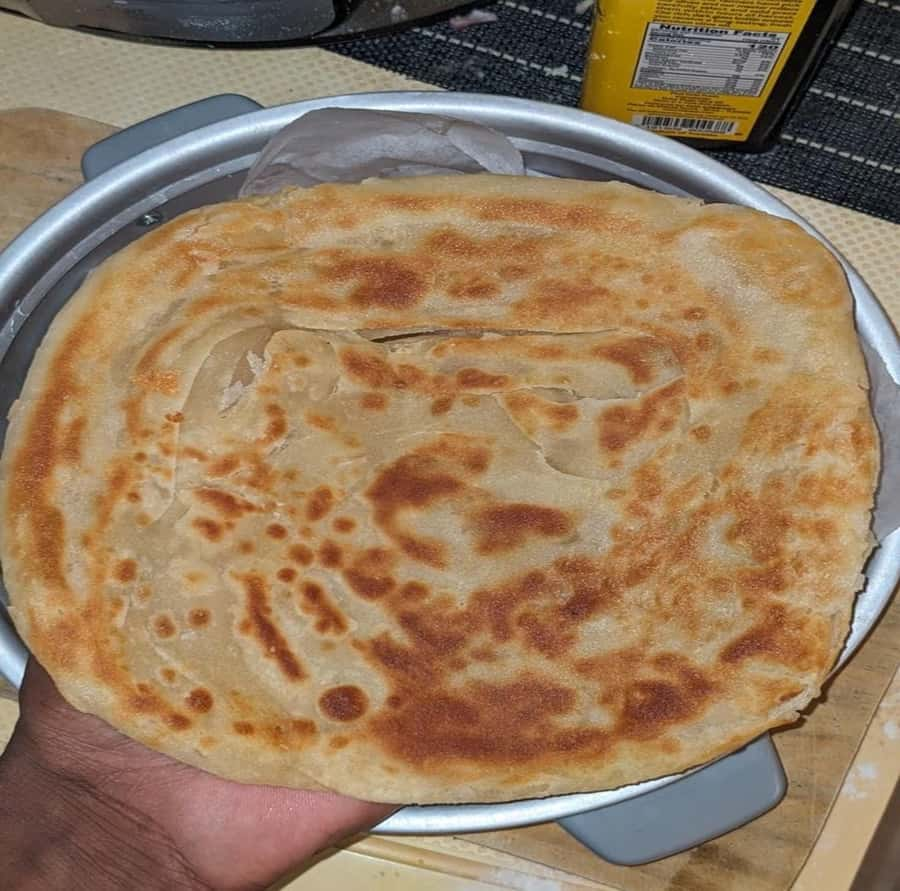
The final hour is spent sampling Kenyan street food as you travel toward your drop-off location. Possible items include smocha, smokie, boiled eggs, roasted maize, and fresh sugarcane.
Smocha is a Kenyan street snack made with a sausage and chapati, while smokie refers to a smoked sausage. Boiled eggs, roasted maize, and sugarcane provide simpler roadside tastes. Together, these snacks show a different side of eating in Kenya than a home lunch does.
This last stop is especially useful if you want to try several small foods rather than commit to another full meal. It also keeps the outing connected to the city, after the quieter home-based cooking session outside Nairobi.
Keep your appetite in reserve. The cooking class includes lunch, and the street food comes later. If you have dietary restrictions, ask what alternatives are possible before the day begins. The provided details do not promise substitutions.
Is $100 per person a fair price?

At $100 per person, the price is not low for a five-hour food activity. But it covers more than a cooking lesson. You receive pickup and return transport from the listed Nairobi areas, the market visit, ingredient shopping, the home cooking session, lunch, street food, bottled water, and a private cultural experience.
The transport is a major part of the value. The host’s home is not easily reached by public transport, and arranging separate rides could add cost and hassle. The price also saves you from planning a market visit, finding a suitable home kitchen, and organizing several food stops yourself.
The value is strongest for a first visit to Nairobi or for anyone who wants a personal introduction to Kenyan food. It is weaker if you only want a technical cooking course or a restaurant-style meal. Since the host mainly handles the cooking, serious home cooks may want to compare this with a class that gives them more knife work and stove time.
You can reserve now and pay later, and cancellation is free up to 24 hours before the activity for a full refund. That flexibility helps if your Nairobi schedule is still changing.
Transport, timing, and practical comfort
The total duration is five hours. The planned flow is about one hour at the market, three hours for cooking, lunch, and tasting, and one hour for street food and the return route.
Pickup and drop-off are available in Westlands, Karen, and Parklands. Confirm that your accommodation fits one of those areas before booking. Private transport to and from the market is included, but Uber charges are not. If you need an Uber or taxi for another part of the journey, you pay separately.
The host can arrange transportation at an additional cost, but the details of that fee are not provided. Ask for the price in advance rather than leaving it to the day of the class.
Wear comfortable shoes and loose, comfortable clothes. You are likely to move between a market, a kitchen, and roadside food stops, so this is not the time for formal clothing. The information also asks you to bring ingredients, which sounds unusual because the market visit is included. Clarify what ingredients, if any, you are expected to bring before setting out.
The activity is listed as wheelchair accessible, but the home and market may still have different surfaces or space constraints. If accessibility is important to you, confirm the exact route and kitchen setup with the provider.
Who will enjoy this Nairobi food experience?
I would recommend it to you if you want more than a restaurant meal and prefer meeting a local host in a home setting. Families, couples, small private groups, and curious first-time visitors should find the mix of shopping, cooking, lunch, and snacks easy to enjoy.
It also suits people who want a gentle introduction to Kenyan dishes without needing to cook alone. Tasha’s menu choices are useful if you are unsure about unfamiliar foods, while the range of dishes gives you a broad taste of local staples.
You may want another type of class if you want advanced instruction, a formal kitchen, or complete control over each recipe. The host does most of the cooking, and the home kitchen is modest. That is part of the charm, but it is also the clearest limitation.
Should you book this cooking class?
Book it if you value personal contact, home cooking, and a full food itinerary over a polished culinary school setup. The market visit, meal with Tasha, private transport, and street food make the $100 price easier to justify, especially when reaching the host’s home independently could be awkward.
Before paying, confirm your pickup area, transport needs, menu preferences, dietary requirements, and what ingredients you should bring. If you are comfortable with a host-led session where you help when possible rather than cook every dish yourself, this is a strong way to spend five hours in Nairobi.
FAQ
How long does the Nairobi cooking experience last?
The experience lasts five hours. About one hour is planned for the market, three hours for cooking, lunch, and tasting, and one hour for street food and the return journey.
Where can pickup and drop-off take place?
Pickup and drop-off options are listed as Westlands, Karen, and Parklands.
Is transport included?
Private transport from your pickup location and back is included, along with transport to and from the local market. Uber charges are not included.
Is the cooking class held in a restaurant?
No. The class takes place in a local host’s home just outside Nairobi, in a modestly sized kitchen.
What Kenyan dishes might be prepared?
Possible dishes include ugali, Kenyan pilau, mukimo, chapati, githeri, boiled potatoes, sweet potatoes, mandazi, fish, fresh corn, and matoke.
Who leads the cooking session?
The named cook is Tasha. She may offer menu choices, and the session is conducted in English.
Is lunch included?
Yes. Lunch is included, along with the traditional Kenyan meal you help prepare.
What street food is included?
Possible street foods include smocha, smokie, boiled eggs, roasted maize, and sweet sugarcane.
Is the activity wheelchair accessible?
The activity is listed as wheelchair accessible. Since the experience includes a market and a private home, confirm the specific access arrangements when booking.
New market tours around the world
- Tel Aviv: 2-Hour Carmel Market Tour in English with Lunch★ 4.8 · 23 reviews
- Tel Aviv: Carmel Market & Neighborhood Guided Walking Tour★ 4.7 · 3 reviews
- Tel Aviv: 2-Hour Jaffa Flea Market Tour with Tastings★ 4.9 · 8 reviews
- Tel Aviv: Carmel Market Food Tasting Tour “Shuk Hacarmel”★ 4.0 · 8 reviews
- Tel Aviv: 2-Hour Levinsky Market Tour with Full Lunch★ 4.7 · 10 reviews
- Tbilisi 2 Parks: Turtle Lake & Dedaena Park with Flea Market★ 5.0 · 3 reviews
- Tbilisi: Street Food & Sightseeing Tour with Local Markets★ 5.0 · 8 reviews
- Teguise: Market and César Manrique Foundation Tour★ 4.3 · 39 reviews
Nairobi Market Tours, side by side.
Traditional Kenyan Cooking Class & Local Market Tour
Read our review →
Memorable Daily KIBERA Slums/Toi Market Tour with Locals (2 hours)
Read our review →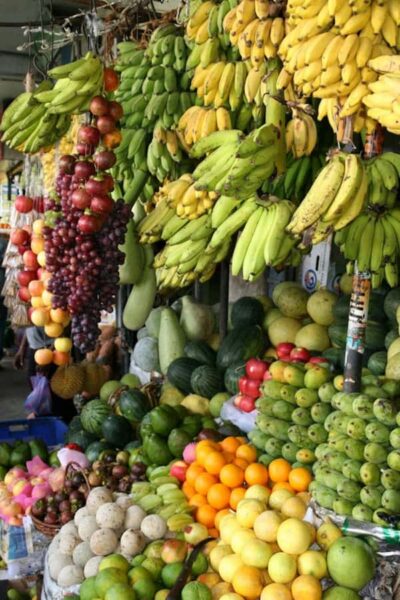
Authentic Kenyan Cooking Class & Market Tour in Nairobi
Read our review →
Nairobi: Hop on Hop off and Maasai market Collections Visit
Read our review →
Nairobi: Explore Maasai Market for Unique Souvenirs
Read our review →

This tour also appears in