
Review · NAIROBI
Maasai Market Souvenir Shopping
The best part of this experience is the practical help. Nairobi’s Maasai Market is a lively place to shop, but comparing prices, checking workmanship, and carrying purchases can quickly become tiring. Jack helps you handle all three, while guiding you between city craft shops and the open-air market. I especially like his fair-price bargaining and his help with quality checks.
I also like that your $35 fee has a social purpose. Jack works with OAC Kenya, a social enterprise, and KCOOP, a community organization supporting orphans and vulnerable children. The main drawback is that this is a flexible shopping experience rather than a fixed cultural tour, so the exact stops and amount of sightseeing depend on what you want to buy and how long you spend browsing.
Key points at a glance
- Meet at KICC: The experience begins and ends at the Kenyatta International Conference Centre, with the itinerary listing the KICC Helipad as the meeting point.
- Shop in two settings: Start with selected gift and craft shops in central Nairobi, then continue to the larger open-air Maasai Market.
- Get hands-on bargaining help: Jack negotiates with you and helps you judge when a price is reasonable.
- Bring a shopping list: Custom-made items, gifts, bulk purchases, and possible artisan partnerships can all be discussed.
- Add city sightseeing: If time and interest allow, the shopping route can finish with a short walk around central Nairobi.
- Support a local cause: Booking income helps pay school fees and buy supplies for orphans and vulnerable children.
Why this shopping tour is different
Many souvenir outings are simple drop-offs at a market. This one is built around having a local companion beside you. That matters in a place where you may want to bargain but may not know the usual price, the right tone, or the difference between careful handmade work and a poorly finished item.
Jack’s role is part guide, part shopping assistant, and part problem solver. He can help with language barriers, speak with vendors, inspect the quality of goods, and carry heavier purchases. You still make the final decision, but you do not have to handle every part of the transaction alone.
The experience also has a personal purpose. Jack lost both parents at age nine and later became involved in work supporting children without stable family care. His social enterprise links volunteers with charity schools and orphanages, while the related community organization works with vulnerable children. The shopping experience is therefore connected to a broader local effort, not just a retail outing.
That mission may be an important reason to book, but you should still choose the tour for its practical value. The strongest fit is someone who wants Kenyan handicrafts and would appreciate help making purchases, rather than someone looking for a formal museum tour or a tightly scripted history walk.
More Market Shopping Tours around the world:
- Marrakesh: Guided Souk Shopping Tour with a Local Guide
★ 4.9 · 651 reviews - Shopping in the Souks of Marrakech Private Tour
★ 5.0 · 620 reviews - Cairo: Local Markets & Khan el Khalili Private Shopping Tour
★ 4.6 · 614 reviews
Starting at KICC in central Nairobi
The meeting point is KICC, the Kenyatta International Conference Centre. The itinerary identifies the KICC Helipad as the start and finish, while the tour description refers to the front entrance. Confirm the precise meeting spot with Jack before setting out, especially if you are unfamiliar with the building.
At the start, Jack introduces himself and explains the plan. This short briefing is useful because the route can change according to your priorities. You might want a few small gifts, a particular handmade item, a custom order, or a larger quantity for a business or organization.
The three-hour duration is long enough for a focused shopping trip, but it is not unlimited. If you spend a great deal of time comparing products or negotiating a large order, there may be less time for sightseeing. Tell Jack early what matters most so he can shape the outing around your list.
The central location is also useful for travelers who have only part of a day available in Nairobi. One person who booked at the last minute ended up turning the arrangement into a full day with Jack, thanks to his flexibility. That longer option should not be assumed as part of the $35 experience, but it shows that the meeting can be adapted when your schedule changes.
First stop: Nairobi’s city gift shops
The first shopping stage takes place at gift and craft shops in the city center. This is a sensible opening because it gives you a calmer chance to see what is available before entering the larger market.
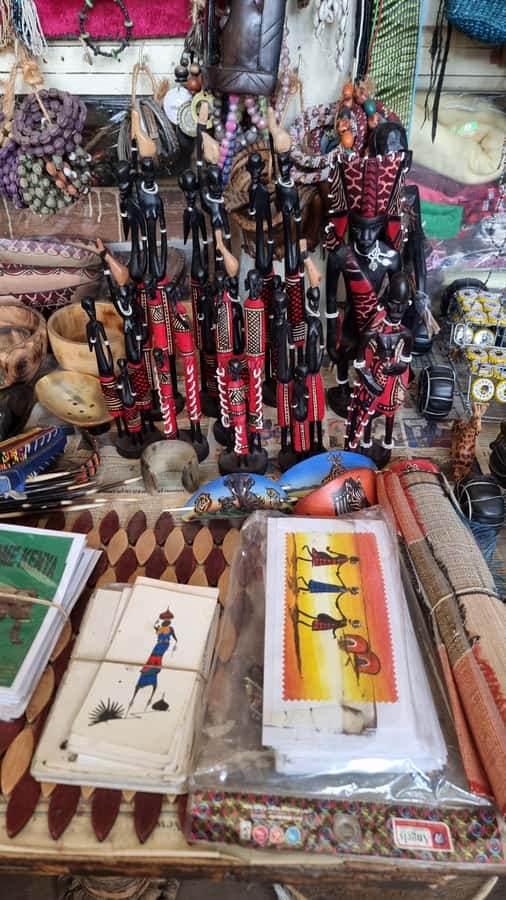
Use this part of the experience to establish your budget and your taste. You may be looking for small gifts, decorative curios, practical handmade items, or personalized products. The exact shops are not fixed in the information provided, so the selection can be matched to your interests rather than treated as a standard list of stops.
There is value in comparing shop prices with market prices. A shop may offer a more organized buying experience, while the open-air market may give you more chances to browse and negotiate. Jack can help you compare quality and pricing across the two settings instead of making a rushed purchase at the first stall.
If you want a custom item, say so early. Personalized work can require a different conversation from buying something already finished. Jack can help explain what you want and discuss the possibility with local artisans, but you should ask about timing, price, and delivery details before committing to an order.
The Maasai Market shopping stop
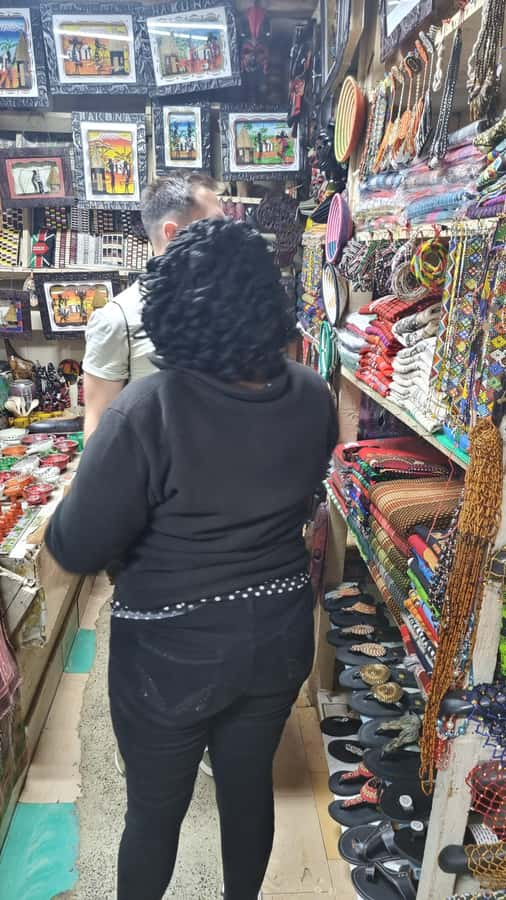
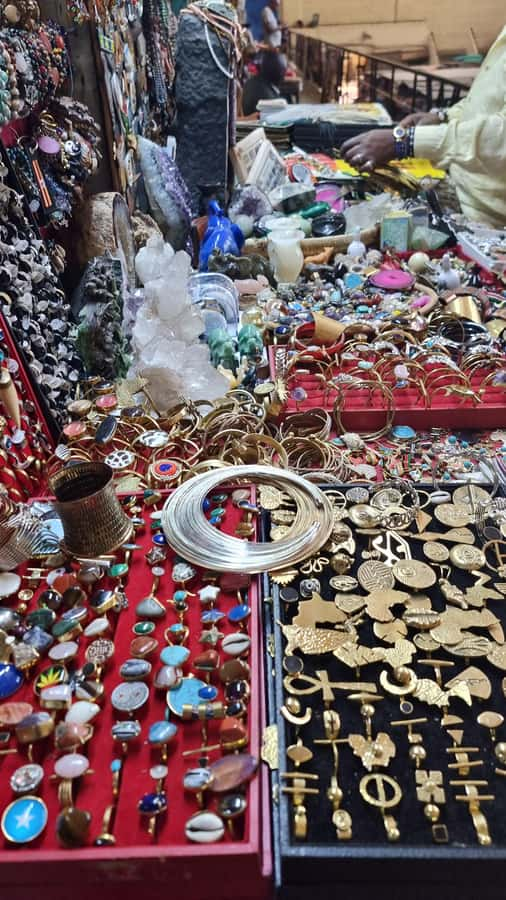
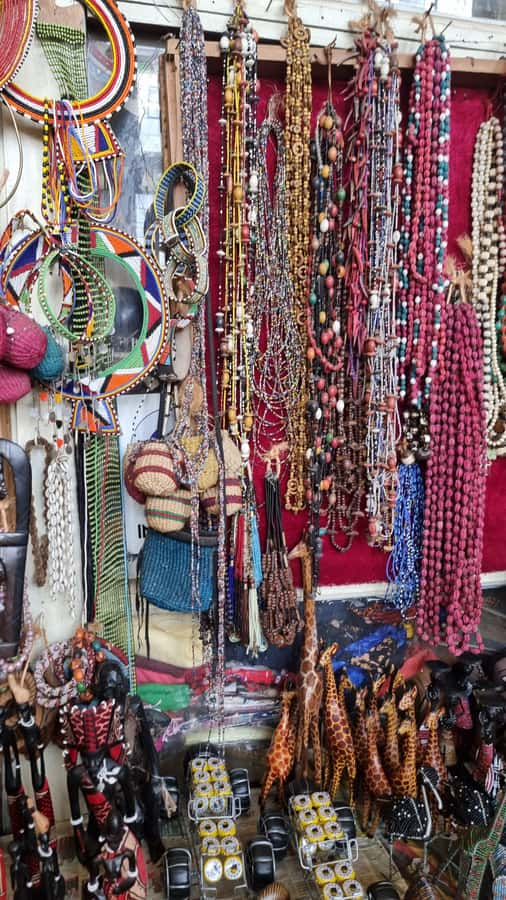
The Maasai Market is the main event. It is a large open-air market with many artisans and vendors selling Kenyan crafts. The range is broad, and the atmosphere can feel energetic and crowded, particularly when several sellers are showing you similar items at once.
That variety is part of the appeal, but it can also make shopping less simple. A short visit can turn into a long session of comparing colors, sizes, materials, and prices. I would arrive with a rough list and a spending limit, then remain open to an unexpected find.
Bargaining is expected in many market settings, but it is easy to overpay when you do not know local pricing. Jack helps negotiate and lets you know when the price is fair. The point is not to force every seller to accept the lowest possible amount. A good guide helps you pay a reasonable price while keeping the exchange respectful.
Jack’s assistance is especially useful if you are a confident shopper who enjoys bargaining but wants a local check on your instincts. One customer specifically praised him for making sure the prices were fair, even though that customer already liked to haggle. You can take the lead in the conversation while using Jack as your guide when a price or product seems uncertain.
More market tours around the world:
- Bangkok: Damnoen Saduak Market and Maeklong Railway Market
★ 4.5 · 26,723 reviews - The Old Siam: Damnoen Saduak and Maeklong Railway Market
★ 4.5 · 10,992 reviews - Dubai: Old Town, Creek, Museums, Souks, & Street Food Tour
★ 4.8 · 10,816 reviews - Bangkok: Train Market & Floating Market with Boat Ride
★ 4.7 · 9,547 reviews
Quality checks and language help
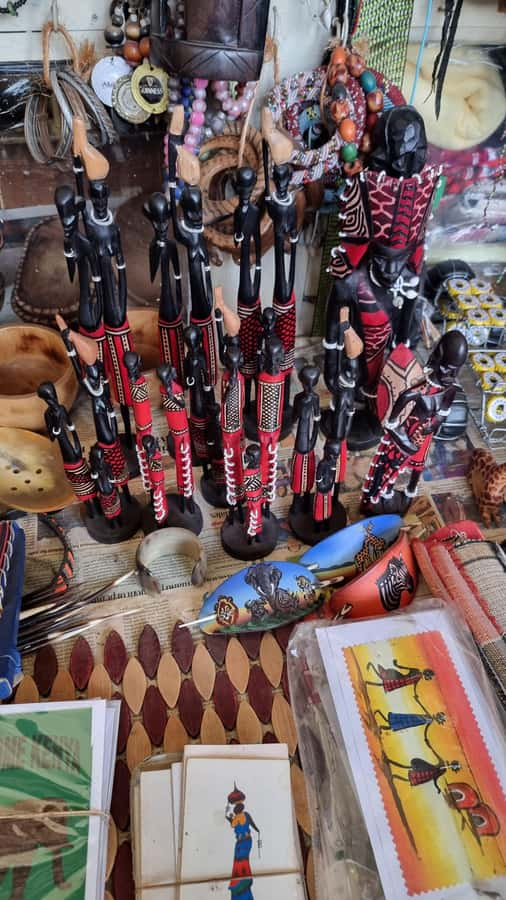
The market’s handmade character means that quality can vary. Look closely at stitching, joins, paint, woven sections, carving, and the overall finish. The exact checks will depend on what you buy, but Jack’s role is to help you spot problems before you pay.
This is one of the most useful parts of the $35 price. A small mistake on an inexpensive gift may not matter, but a flaw becomes more important if you are buying several pieces, ordering a custom product, or planning to resell items. Ask Jack to help you compare examples rather than choosing the first version you see.
Language can also affect a purchase. Even when you and the seller understand the basic price, details about size, quantity, customization, or production time can be missed. Jack helps with these conversations in English and can make your requirements clearer.
You should still inspect the final item yourself. His help does not remove the need to decide what you like or to confirm the total cost. It simply gives you a better chance of understanding the transaction.
Custom orders, bulk buying, and artisan connections
This experience is not limited to casual souvenir shopping. You can use it to look for personalized handmade gifts, larger quantities, or possible business partnerships with local artisans and social enterprises.
For a bulk purchase, prepare before you meet Jack. Bring examples or clear descriptions of the products you want, the approximate quantity, your preferred colors or designs, and your budget. The more specific you are, the easier it will be to discuss whether a seller can meet your needs.
Custom work also calls for patience. The information does not promise a particular product, delivery time, or artisan, so treat these arrangements as conversations rather than guaranteed outcomes. Ask direct questions about what can be made and what the final cost will be.
Jack can also take you to other craft production and selling centers if you want more than the main market. These additional visits are flexible, not guaranteed stops in every three-hour outing. They make the most sense for someone with a serious shopping goal, a strong interest in local production, or a possible partnership in mind.
Carrying purchases and managing your time
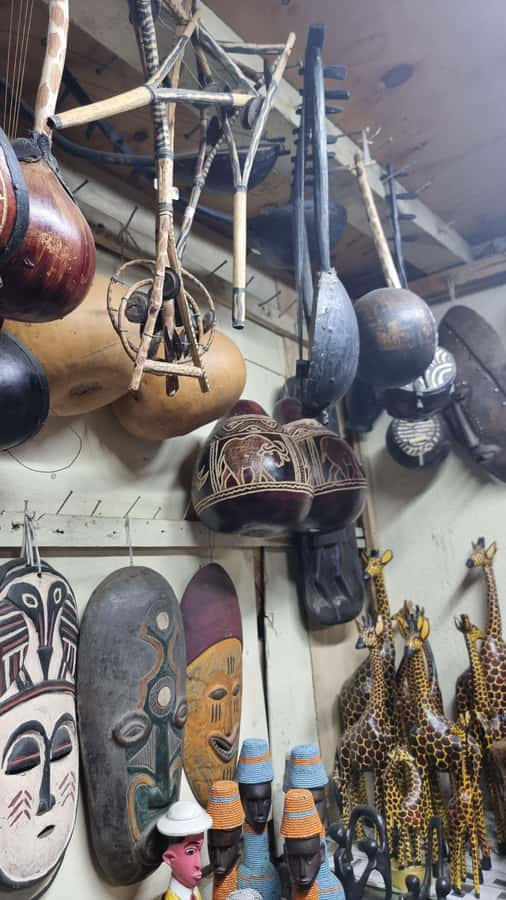
Souvenirs can become awkward long before they become expensive. A few large or heavy items can make the rest of your afternoon inconvenient, especially if you have other plans in Nairobi. Jack helps carry heavy souvenirs, which is a small service but a practical one.
Still, pack and dress for a shopping walk rather than a formal city tour. The experience includes moving between shops and the market, and the amount of time spent walking will depend on the selected route. Since no private vehicle or luggage storage is included in the details, ask Jack in advance if you are bringing large bags or expect to make unusually heavy purchases.
Keep your receipt and confirm your total before leaving each seller. If you are buying several similar items, check the count and the agreed price. These simple habits help prevent confusion once you have moved on to the next stall.
The three-hour schedule works best when you decide what kind of outing you want. For a handful of gifts, it should provide a clear focus. For wholesale buying, custom work, extra craft centers, and sightseeing, the time may feel short.
Adding a short Nairobi city walk
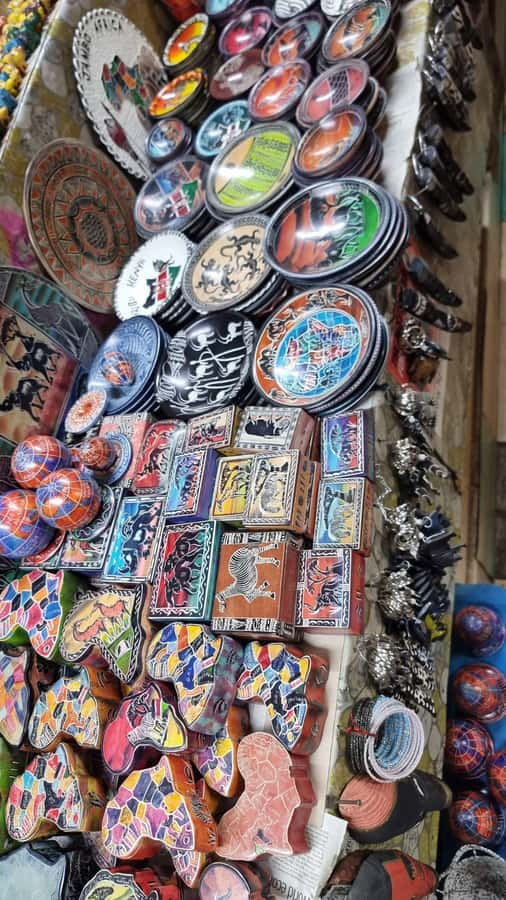
After shopping, Jack can include a short walking tour and sightseeing in the city center if you want it. This is a useful way to finish, especially if your shopping list is small and you still want a quick sense of central Nairobi.
It is important to keep expectations in proportion. This is not presented as a full city sightseeing tour, and there is no fixed list of landmarks included. The walk is an optional add-on to the shopping route, so the amount of time available will depend on how long you spend at the shops and market.
I would choose the city walk if you already know what you want to buy and finish the market portion efficiently. If you are shopping for a custom order or a large number of items, use the time for vendors and production centers instead.
How the $35 price earns its value
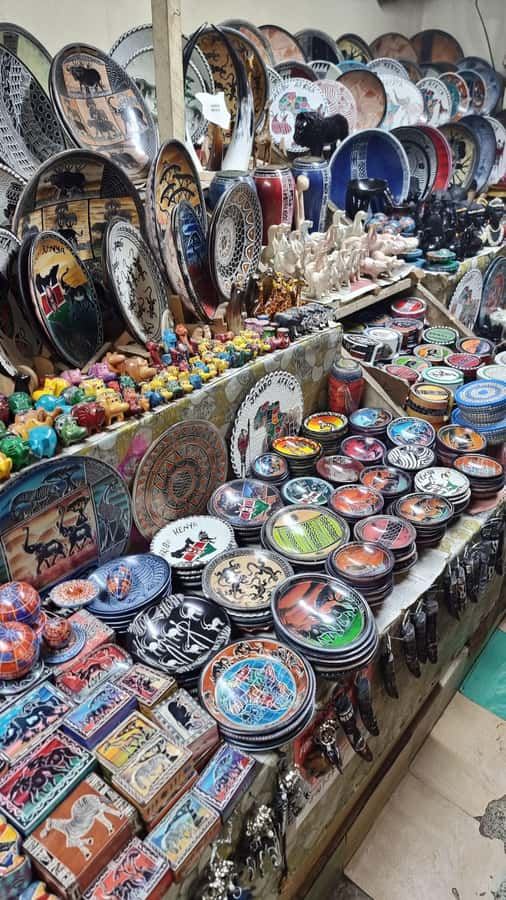
At $35 per person for three hours, the price is easiest to justify if you want active help rather than simple directions to the market. You are paying for Jack’s time, local assistance with bargaining and language, quality checking, carrying purchases, and a route that can be adjusted to your needs.
The social purpose adds another layer of value. Booking fees help with school fees and school supplies for orphans and vulnerable children in Jack’s community. That does not guarantee a better shopping result, but it gives your purchase a clear local benefit beyond the goods you take home.
The value is lower if you only want to browse independently or already know the market well. In that case, you may prefer to visit on your own. The value is higher if you are worried about fair prices, unsure about quality, carrying a lot, or trying to arrange custom or bulk purchases.
The booking terms are flexible: you can cancel up to 24 hours ahead for a full refund, and you can reserve now and pay later. The guide speaks English, and the experience lasts three hours. Check the available starting times and confirm the KICC meeting point before booking.
Who should book this experience
I would recommend this outing to first-time visitors who want souvenirs but do not feel comfortable negotiating alone. It also suits shoppers who enjoy bargaining and want a local second opinion rather than someone to make every choice for them.
It is a good match for:
- People seeking Kenyan handicrafts, curios, and handmade gifts
- Shoppers looking for personalized or custom-made items
- Buyers considering bulk orders or artisan partnerships
- Anyone concerned about quality or language barriers
- Visitors who want a short city walk included when time allows
- People who value supporting education for vulnerable children
It is less suitable if you want a fixed historical tour, a guaranteed set of attractions, or a quiet retail experience with no bargaining. The market can take attention and energy, and the flexible route means you need to communicate your priorities.
Jack’s flexibility is a major strength. He can adapt the outing to a last-minute schedule change, a particular shopping request, or a desire to see more of Nairobi. Just remember that flexibility works best when you are clear about your budget, interests, and available time.
Should you book Maasai Market Souvenir Shopping?
Book it if you want more than a market address. Jack gives you practical help with prices, quality, language, heavy purchases, and custom requests, while your booking supports school costs for orphans and vulnerable children.
Skip it if you prefer to shop alone, do not plan to buy anything, or want a formal sightseeing tour with a fixed route. For most visitors who want Kenyan crafts and would rather have a local guide beside them, the $35 fee is a sensible investment, especially if fair bargaining and product quality matter to you.
FAQ
How much does Maasai Market Souvenir Shopping cost?
The experience costs $35 per person.
How long does the experience last?
The scheduled duration is three hours.
Where does the tour start?
The itinerary lists the KICC Helipad in Nairobi as the starting location. The description also refers to meeting at the front entrance of the Kenyatta International Conference Centre, so confirm the exact meeting spot with Jack.
Where does the experience finish?
It returns to the KICC Helipad according to the itinerary.
Who leads the experience?
Jack Williams leads the experience. He works as a social entrepreneur, social worker, and volunteer.
What language is available?
The live guide speaks English, and English is the listed tour language.
Does Jack help with bargaining?
Yes. Jack helps negotiate prices and lets you know when pricing is fair.
Can Jack help with language barriers and product quality?
Yes. He helps with communication and quality checking while you shop.
Can I buy custom or bulk items?
Yes. The experience can include searches for customized or personalized handmade products, bulk buying, and possible partnerships with local artisans or social enterprises.
Does the booking support a social cause?
Yes. Booking fees help pay school fees and buy school supplies for orphans and vulnerable children in Jack’s community.
New market tours around the world
- Tel Aviv: 2-Hour Carmel Market Tour in English with Lunch★ 4.8 · 23 reviews
- Tel Aviv: Carmel Market & Neighborhood Guided Walking Tour★ 4.7 · 3 reviews
- Tel Aviv: 2-Hour Jaffa Flea Market Tour with Tastings★ 4.9 · 8 reviews
- Tel Aviv: Carmel Market Food Tasting Tour “Shuk Hacarmel”★ 4.0 · 8 reviews
- Tel Aviv: 2-Hour Levinsky Market Tour with Full Lunch★ 4.7 · 10 reviews
- Tbilisi 2 Parks: Turtle Lake & Dedaena Park with Flea Market★ 5.0 · 3 reviews
- Tbilisi: Street Food & Sightseeing Tour with Local Markets★ 5.0 · 8 reviews
- Teguise: Market and César Manrique Foundation Tour★ 4.3 · 39 reviews
Nairobi Market Tours, side by side.
Traditional Kenyan Cooking Class & Local Market Tour
Read our review →
Memorable Daily KIBERA Slums/Toi Market Tour with Locals (2 hours)
Read our review →
Authentic Kenyan Cooking Class & Market Tour in Nairobi
Read our review →
Nairobi: Hop on Hop off and Maasai market Collections Visit
Read our review →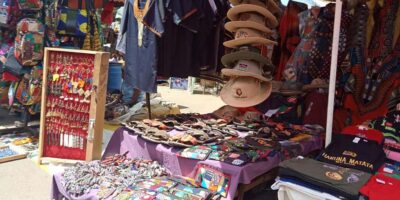
Nairobi: Explore Maasai Market for Unique Souvenirs
Read our review →

Nairobi Traditional Cooking Classes and Local Market Visit
Read our review →This tour also appears in