
Review · JAPAN
Naha Makishi Public Market : Sushi making experience
Makishi Public Market is one of the few places in Naha where you can see the fish being sold, learn how to handle it, and eat sushi made with your own hands in the same outing. The market tour gives the meal a clear sense of place, especially when local fish such as irabucha, local bonito, local tuna, and kubushimi are available.
I like the market-to-table format and the patient instruction, which has earned strong praise for friendly staff and clear communication. I also like that the class welcomes children and brings an English or Chinese interpreter to each event. The main caution is the price: at $161 per person, it is a sizable bill for eight pieces of sushi, even with the market tour and lesson included.
Key points to know before booking
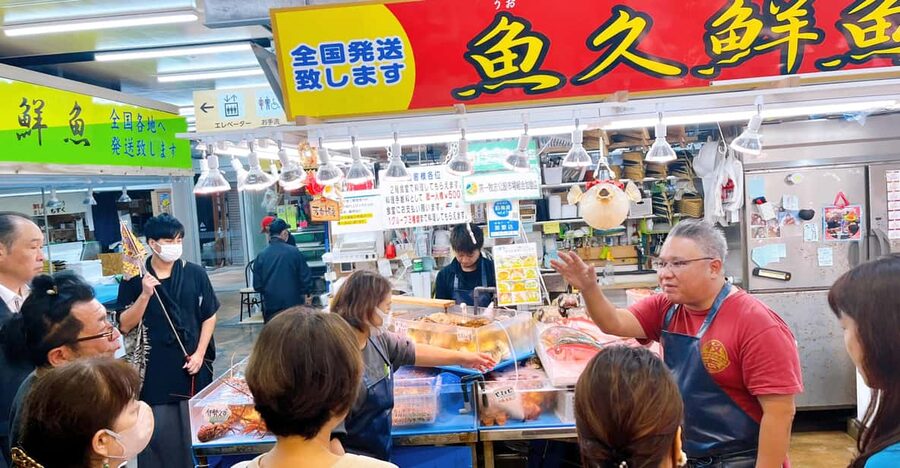
- Fresh fish starts at Makishi Market: You tour the stalls where the sushi ingredients are bought.
- Eight pieces are included: The fish may include local Okinawan varieties, salmon, and seasonal selections.
- Two daily start times: Choose the 11:00 morning session or the 17:00 evening session.
- Your meal follows the lesson: You make the sushi, then eat it with red soup stock, gari, and green tea.
- Drinks cost extra: Sake and beer are available for purchase, but they are not part of the $161 fee.
- The class needs four participants: It can take up to 20 people, and advance reservation is required.
Starting on the third floor of Makishi Public Market
You’ll meet on the third floor of Makishi Public Market, not at a separate restaurant across town. That matters. The setting connects the lesson to the food itself, and you do not have to spend extra time arranging transportation between the market and the sushi class.
Reception begins 30 minutes before the activity. For the 11:00 session, reception runs from 11:00 to 11:30, followed by the market tour. The evening schedule begins reception at 17:00, with the market portion at 17:30.
I would arrive about 10 minutes before the event starts. The instructions ask you to do so, and it gives you time to find the third floor without rushing. Since this is a fully reserved activity, do not count on walking in from the market and finding an open place.
The class runs every day, but it can be canceled if four or fewer people are booked. The maximum is 20 people per event. That range makes the group size worth checking before you commit other plans around it.
More market tours around Japan:
- Tokyo Tsukiji Fish Market Food and Culture Walking Tour
★ 5.0 · 3,184 reviews - Tokyo: Tsukiji Fish Market Food and Walking tour
★ 5.0 · 1,724 reviews - Tokyo: Tsukiji Fish Market Guided Walking Tour
★ 4.9 · 1,397 reviews
Touring the fish stalls for 30 minutes
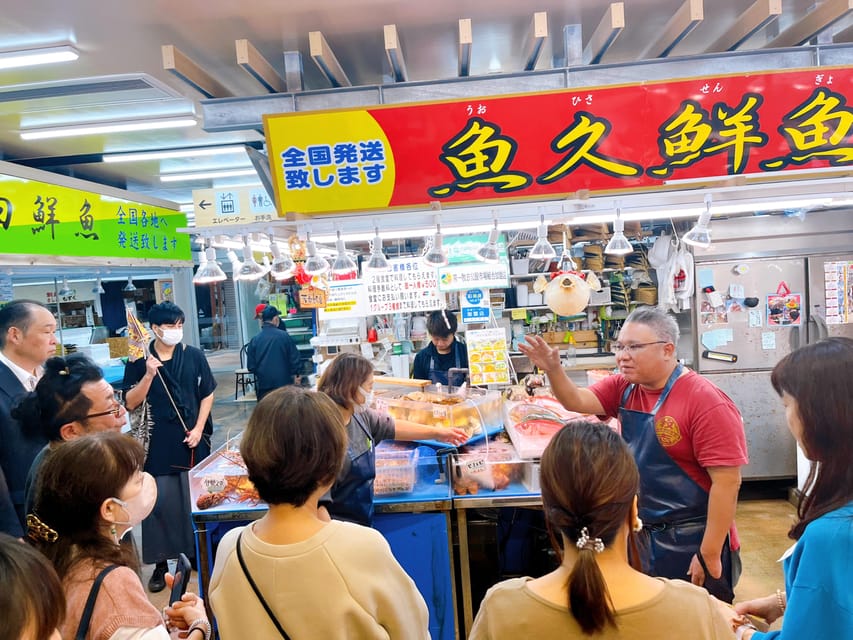
The first active part is a 30-minute tour of fresh fish stores inside the public market. This is not just a stroll through a food hall. The fish you see is connected to the sushi you will prepare afterward.
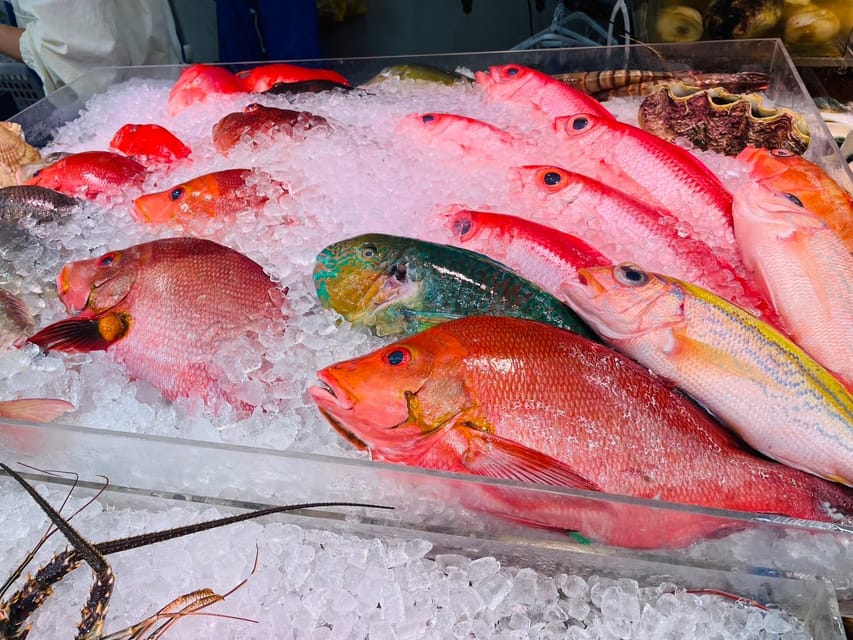
The selection can change with the season. Possible ingredients include mibai, red machi, irabucha, stew machi, local bonito, local tuna, kubushimi, and salmon. Some of these names may be new to you, which is part of the appeal. Okinawa’s seafood is not limited to the familiar tuna and salmon found on sushi menus around the world.
You should expect the market tour to focus on the ingredients used in the class rather than on a long general tour of Naha. The supplied schedule gives it 30 minutes, so this is a practical introduction, not an extended food-market lecture.
That short timing is useful for families and for anyone who wants to keep the day moving. It also means you should not book this expecting hours of free market browsing with an instructor. You can return to the market later on your own if you want more time at the stalls.
Learning the technique from an instructor
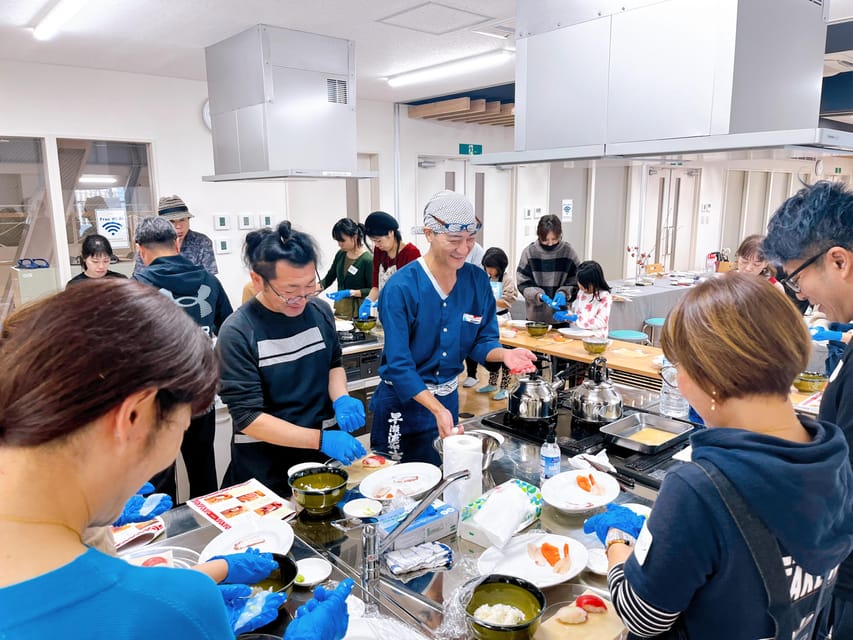
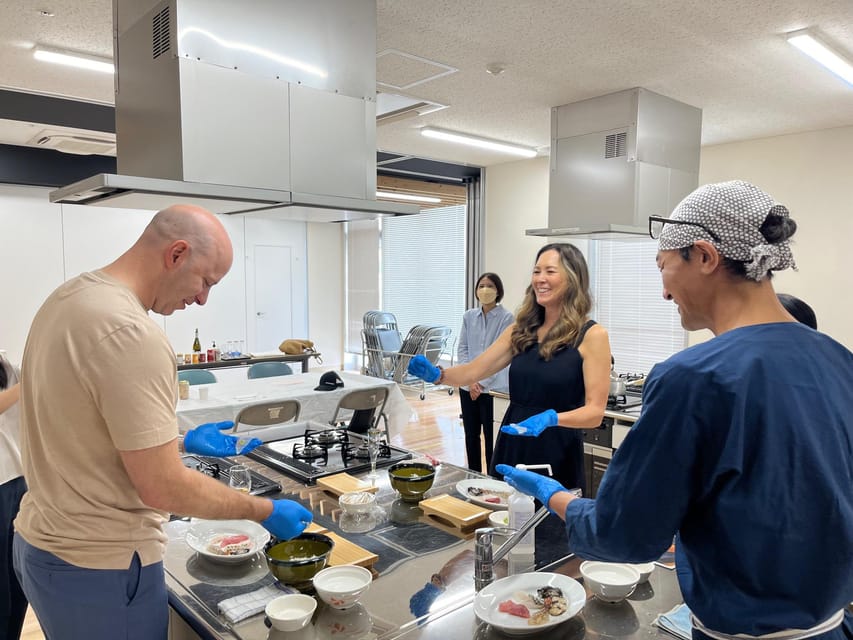
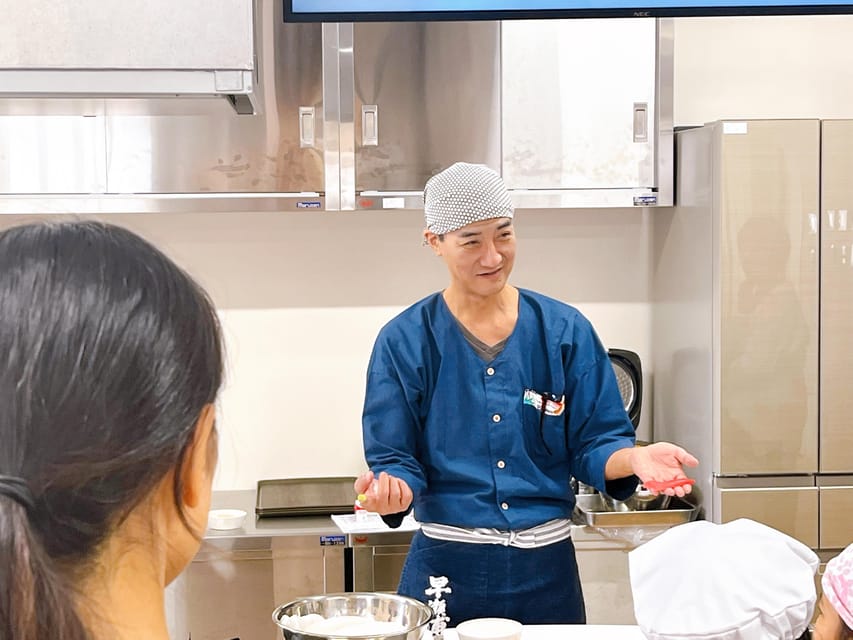
After the tour, the sushi lesson runs for 45 minutes. An instructor shows you how to make the sushi, then gives you the chance to prepare your own pieces.
The experience is designed for beginners. One participant described the teacher as kind, patient, and skilled at showing how to handle the sushi. Another praised the staff’s friendliness and the clear explanations. That is important here because sushi making can look simple until you try to shape rice, place the fish, and keep the piece together.
The language support is another practical strength. An interpreter in English, Chinese, or another available language is dispatched to each event, and the activity information specifically lists English and Chinese. Communication before and during the experience has been described as prompt and easy to understand.
You should not expect a professional chef qualification or an advanced sushi apprenticeship. This is a hands-on introduction. The value is in learning the basic process, working with the ingredients, and understanding how the meal reaches your plate.
Aprons are not provided, so wear clothing you do not mind wearing around food. Smoking, intoxication, littering, excessive noise, and nudity are not allowed. Those rules are ordinary, but they matter in a shared class where several people are preparing and eating together.
Making eight pieces of your own sushi
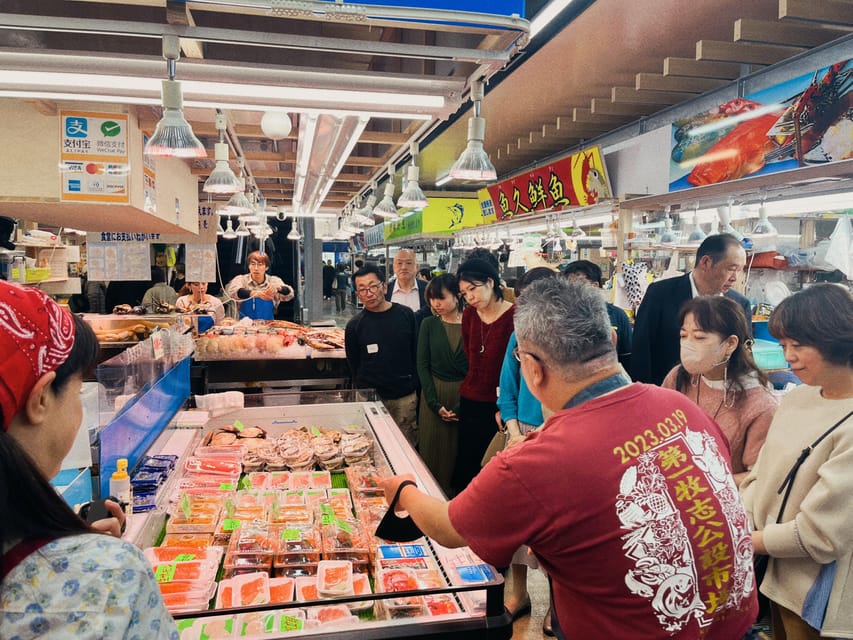
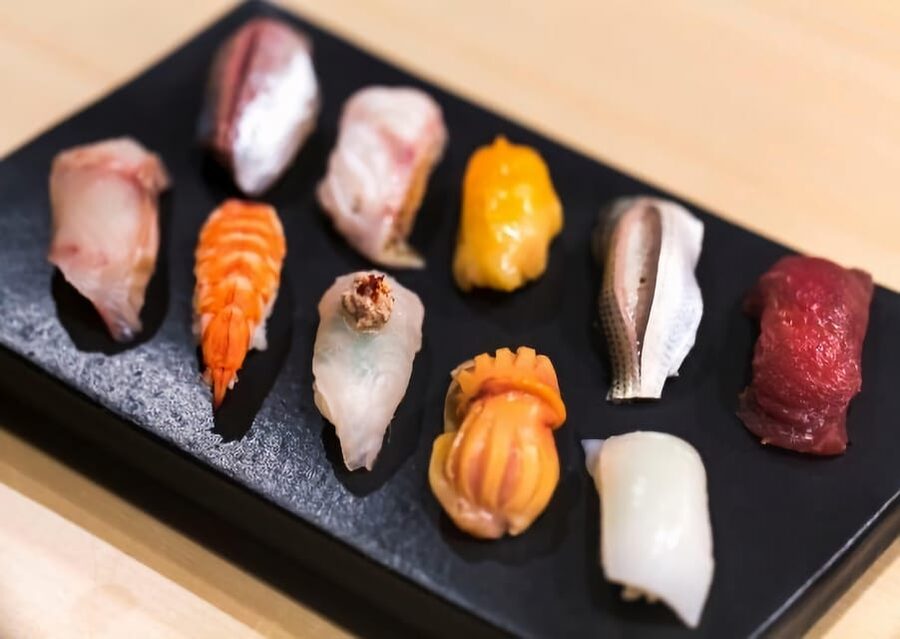
The included meal is eight pieces of sushi. The exact fish depends on the season and market supply, so the menu is not fixed. You might receive a combination of Okinawan fish, local tuna, local bonito, kubushimi, and salmon, among other choices.
That changing menu is a plus if you want a taste of Okinawa rather than a guaranteed list of standard sushi. It is a drawback if you have your heart set on one particular fish. The activity does not promise a specific combination, and you should treat the listed varieties as examples.
Once the instructor has shown you the method, you make the sushi yourself. The satisfaction comes from eating something you have just prepared, not from receiving a large restaurant-style meal. Eight pieces is a moderate portion. For many people, it will feel like a substantial tasting meal when paired with the soup and accompaniments, but it may not satisfy someone expecting a full seafood feast.
Your sushi comes with red soup stock, gari, and green tea. These additions give the meal some balance without adding another charge. The original tenugui towel is also included, a useful Okinawan-style souvenir rather than disposable merchandise.
Same city, another market:
- Nishiki Market Brunch Walking Tour (7 Tastings + Brunch)
★ 5.0 · 1,355 reviews - Tokyo Sushi Making Class in Tsukiji with Professional Chef
★ 5.0 · 1,177 reviews - Tsukiji Fish Market Guided Tour and Sushi Making with Pro Chef
★ 5.0 · 775 reviews - Tokyo: Tsukiji Fish Market Food and Culture Walking Tour
★ 4.7 · 757 reviews
Eating together from 12:45 or 18:45
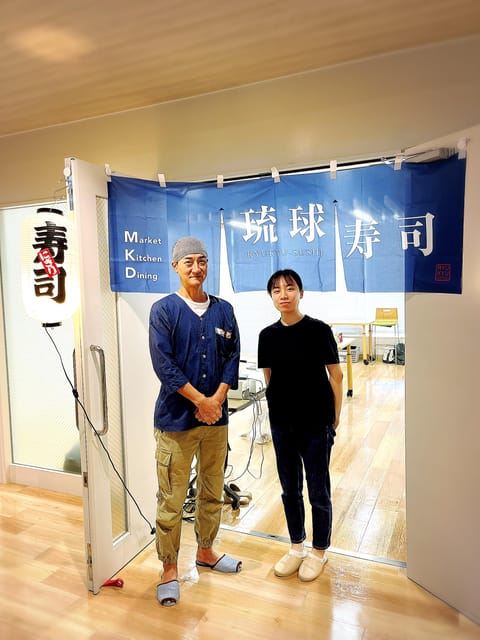
The final 75 minutes are set aside for eating. In the morning session, that part runs from 12:45 to 14:00. In the evening session, it runs from 18:45 to 20:00.
The group eats the sushi it has made together. This creates a social side to the class, with participants from different countries sharing a meal after working through the same lesson. If you enjoy meeting people while you travel, this part may be as memorable as the market visit.
Sake and beer are sold separately. You can add a drink to the meal, but you should include that extra cost in your budget. The listed price covers the market tour, lesson, sushi, soup, gari, tea, and towel, not alcoholic drinks.
The evening time works well if you want the class to serve as dinner. The morning time fits more naturally into a day of sightseeing around central Naha. Since both sessions last 150 minutes from reception through the meal, plan around the full block rather than only the 45-minute lesson.
Is $161 fair for the experience?
The price is the hardest part of the decision. At $161 per person, this is not a cheap way to eat sushi. You are paying for more than eight pieces of fish, but the added value depends on how much you want the instruction, market access, interpreter support, and shared international setting.
I can see the price making sense for someone who values a rare activity in Naha and wants a structured food experience with language help. The market tour gives you context, the instructor gives you a practical skill, and the meal lets you taste the result immediately. Families may also appreciate having one organized activity that combines food, learning, and a clear schedule.
The value is less convincing if your main goal is simply to eat excellent sushi. You could spend less at many restaurants and receive more food, though you would lose the market connection and the chance to make it yourself. One participant considered the price too high despite praising the instructor, which is a fair warning.
I would compare this with the cost of separate market browsing, a meal, and another cultural activity in Naha. If you are already planning to visit Makishi Public Market and would enjoy a basic class, the combined format may justify the fee. If you are a serious sushi enthusiast looking for advanced knife work or a large meal, this is probably not the right purchase.
Who will enjoy this Makishi Market class?
This experience suits first-time sushi makers, families with children, couples, and solo visitors who like food-based activities. The class is accessible by wheelchair, and the English or Chinese interpretation helps if you do not speak Japanese.
It is also a good fit for someone who wants a social activity rather than a private meal. You eat with the other participants, and the event encourages communication among people from different countries.
You should skip it if you are vegan or vegetarian. The menu is centered on fresh fish, and those dietary needs are specifically listed as unsuitable. The activity also does not promise substitutions.
Children can participate, though the available information does not give a separate child price or age limit. If you are booking for children, confirm the details before paying, especially since the experience involves handling food and following the instructor’s directions.
Timing, reservations, and cancellation details
Advance reservation is required, and the stated reservation and cancellation deadline is one week before the participation date. The activity information also says you can cancel up to 24 hours in advance for a full refund, so check the exact terms shown for your selected date when booking.
A reserve-now, pay-later option is available. That can help if your Okinawa plans are not fully settled, though it does not remove the need to meet the advance reservation conditions.
The class is offered every day at 11:00 and 17:00. Reception opens 30 minutes before each start, and you should arrive 10 minutes before the event begins. The full schedule is:
- Morning: reception 11:00, market tour 11:30, sushi making 12:00, meal 12:45 to 14:00
- Evening: reception 17:00, market tour 17:30, sushi making 18:00, meal 18:45 to 20:00
The event needs at least five participants to proceed. If there are not more than four, it will be canceled and you will receive a full refund. Since that could affect a carefully planned day, avoid placing an unchangeable dinner, transfer, or flight immediately after the class.
My take on the teaching and atmosphere
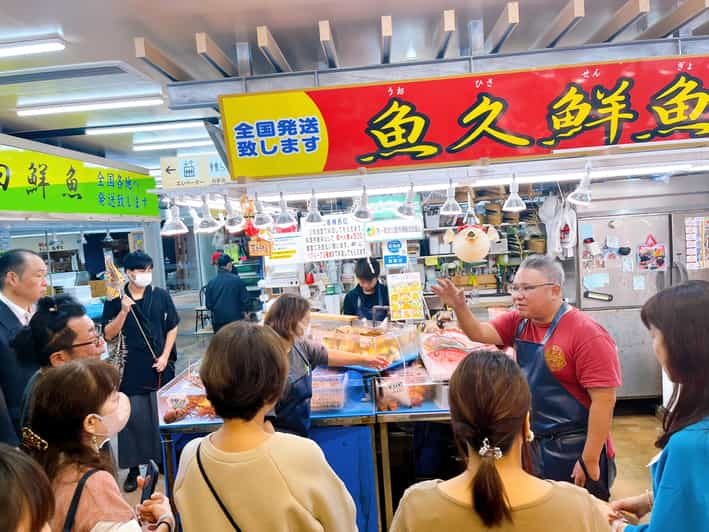
The strongest part of this experience is the teaching. The instructor is described as friendly, patient, and good at explaining the handling of sushi. That combination matters more than flashy presentation in a beginner class.
The interpreter support adds real value. Food instruction can become frustrating when the steps are not clear, so having English or Chinese assistance available helps you focus on the technique instead of guessing what to do.
The group meal gives the class a warm, social finish. You are not simply handed a plate and sent away. You make the food, sit down with the other participants, and have time to enjoy it with tea or an optional drink.
Still, keep your expectations in proportion. The class is only 45 minutes of sushi making, and the meal is eight pieces. The activity is best understood as a market visit plus a guided food lesson, not as a luxury omakase dinner or a full-day culinary course.
Should you book the Naha sushi experience?
Book it if you want a structured introduction to Okinawan seafood, appreciate clear language support, and like the idea of eating sushi you made yourself. It is especially appealing for families, first-time sushi makers, and anyone looking for an unusual Naha activity that links the market and the meal.
Think twice if $161 feels high for a modest portion or if you only want restaurant-quality sushi without a lesson. Before booking, check the seasonal fish, drink costs, participant minimum, and cancellation terms for your date.
My call: this is a worthwhile splurge for the right kind of food experience, but not a bargain meal. You are paying for the story, the instruction, and the setting as much as for the eight pieces of sushi.
FAQ
Where does the sushi making experience meet?
Meet on the third floor of Makishi Public Market in Naha, Okinawa.
How long does the activity last?
The full experience lasts 150 minutes, including reception, the market tour, sushi making, and the shared meal.
What time does the experience start?
There are two daily start times: 11:00 and 17:00.
What food is included?
You receive eight pieces of sushi, red soup stock, gari, and green tea. The fish selection changes with the season.
Which fish might be used?
Possible ingredients include mibai, red machi, irabucha, stew machi, local bonito, local tuna, kubushimi, and salmon.
Are drinks included?
No. Sake, beer, and other drinks are sold separately for an additional fee.
Is the activity available in English?
Yes. English and Chinese are listed as available languages, and an interpreter is dispatched to each event.
Can children participate?
Yes. Children can participate, though the provided information does not state a separate child price or minimum age.
Is the experience suitable for vegans or vegetarians?
No. The activity is not suitable for vegans or vegetarians because it centers on fresh fish sushi.
New market tours around Japan
- Taste of Nishiki Market Walking Food Tour with Local guide★ 5.0 · 17 reviews
- Private Toyosu & Tsukiji Market Adventure with Tuna Auction★ 4.8 · 191 reviews
- Osaka: Wakayama Cat Train, Seafood market, Hot Springs Tour★ 4.6 · 24 reviews
- Osaka: Food Tour Kuromon Market & Dotonbori with Guide★ 4.5 · 15 reviews
- Osaka: Kuromon Market Street Food Tour with Pro Local Guide★ 5.0 · 5 reviews
- Osaka: Cooking Class & Sake Tasting with Local Market Visit★ 4.8 · 31 reviews
- Osaka: Kuromon Market 1.5-Hour Seafood & Street Food Tour★ 5.0 · 8 reviews
- Okinawa Explorer: Shrines, Markets & Vibrant Streets★ 3.0 · 3 reviews
Japan Market Tours, side by side.
Tokyo Tsukiji Fish Market Food and Culture Walking Tour
Read our review →
Tokyo: Tsukiji Fish Market Guided Walking Tour
Read our review →
Nishiki Market Brunch Walking Tour (7 Tastings + Brunch)
Read our review →
Tsukiji Fish Market Guided Tour and Sushi Making with Pro Chef
Read our review →
Tsukiji Fish Market Small-Group Food Walking Tour
Read our review →
Kuromon Market Food Walking Tour in Osaka (6 stops, 6 tastes)
Read our review →
Tokyo Food Tour Taste Fresh Delights at Tsukiji Market
Read our review →
Kyoto Nishiki Market Food and Culture Walking Tour
Read our review →This tour also appears in