

Review · MUMBAI
Mumbai: 2 Hours Markets And Temple Tour
Mumbai’s market lanes tell you more about daily life than a polished sightseeing stop ever could. On this two-hour walking tour, you move through Crawford Market and Mangaldas textile market, pause at a historic Hindu temple, and finish by feeding cows at a local shelter.
I like the low $6 price, which makes this an easy add-on after Mumbai’s major sights. I also like the lack of sales pressure reported by Monica, who found the experience relaxed even after having bad experiences with commission-based tours elsewhere. The main drawback is pace: one guest found the meeting point hard to locate and felt the guide sometimes explained things too quickly.
Key points to know
- Crawford Market puts you in old Mumbai’s daily rhythm, with fruit, spices, chocolates, and dry goods sold inside a historic market building.
- Mangaldas Market is the textile stop, where narrow lanes lead past shops packed with Indian fabrics and traditional clothing.
- The Hindu temple visit adds context, with stories about gods and goddesses, local worship, and the customs you see around you.
- The cow shelter is an unusual final stop, allowing you to feed the animals and take part in a simple local religious practice.
- Guides Shivam and Balajin receive especially warm praise for friendliness, patience, and clear local explanations.
- Bring sun protection and comfortable shoes, and confirm the meeting point carefully because a large station can be confusing.
Crawford Market and the pulse of old Mumbai
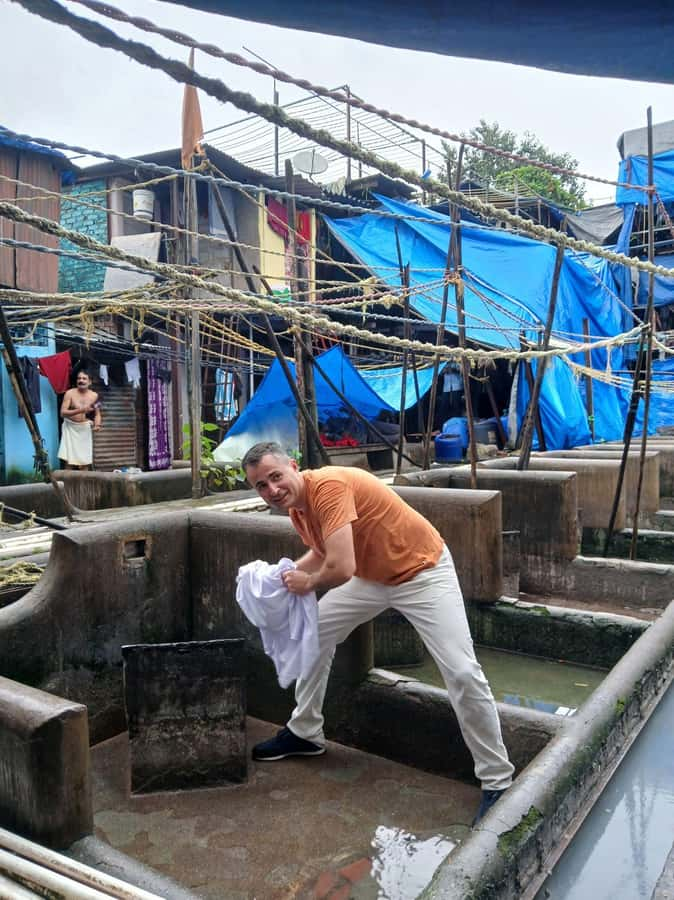
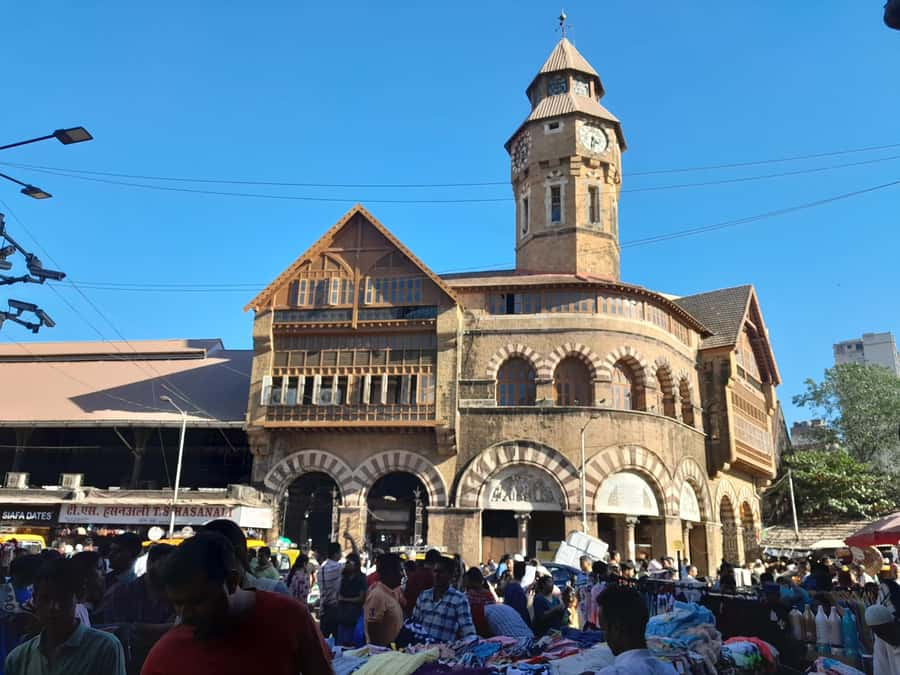
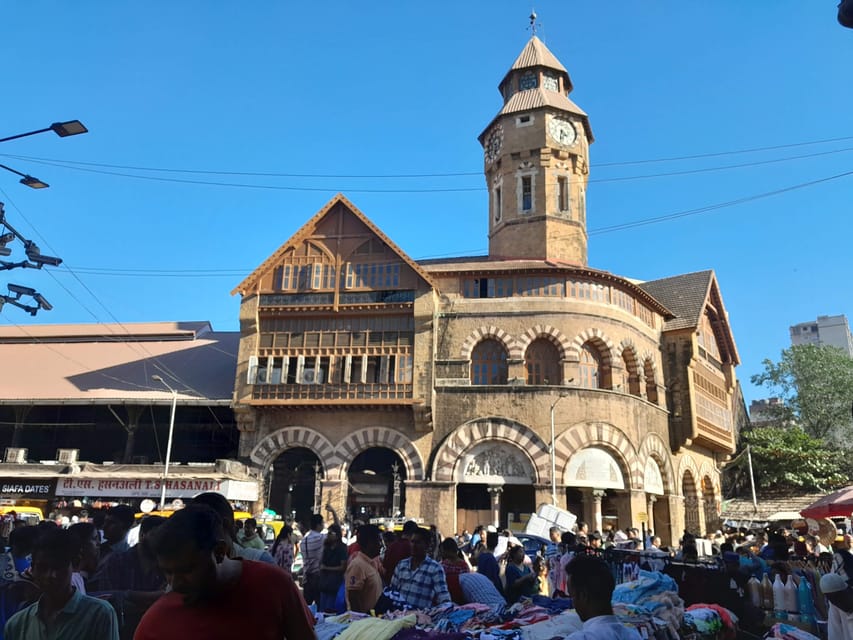
The tour begins among the crowded lanes of old Mumbai, where the city’s commercial life is on full display. Crawford Market, also known as Mahatma Jyotiba Phule Mandai, is described as Mumbai’s first indoor wholesale market. Its age and central location give it a practical importance that has lasted for generations.
Inside, you can expect stalls selling fruits, chocolates, spices, and dry fruits. This is not a quiet museum visit. Vendors work, shoppers bargain, goods move through tight passages, and the guide has to keep the group together while explaining what you are seeing.
That is where the tour earns its small price. On your own, you could walk past the market and see only color and confusion. With a guide, you get a basic explanation of how the market fits into Mumbai’s growth and shopping culture. Shivam is particularly well regarded for explaining the city and its markets, while Balajin, also called Bala, is praised for taking his time and adding extra places to the route.
You should expect a working market rather than a carefully staged attraction. The floors may be crowded, the lanes narrow, and the noise constant. Keep your bag close, watch where you step, and do not expect long pauses at every stall. The setting rewards curiosity more than comfort.
More two-hour market walks around Mumbai:
- 2 Hour Historic Market Food Tour and Hands-On Biscuit Class
★ 5.0 · 251 reviews - Palermo in 2 hours Main monuments and historic markets
★ 5.0 · 136 reviews - Taipei: 2-Hour Raohe Night Market Walking Tour
★ 4.6 · 69 reviews
Mangaldas Market and Mumbai’s fabric trade
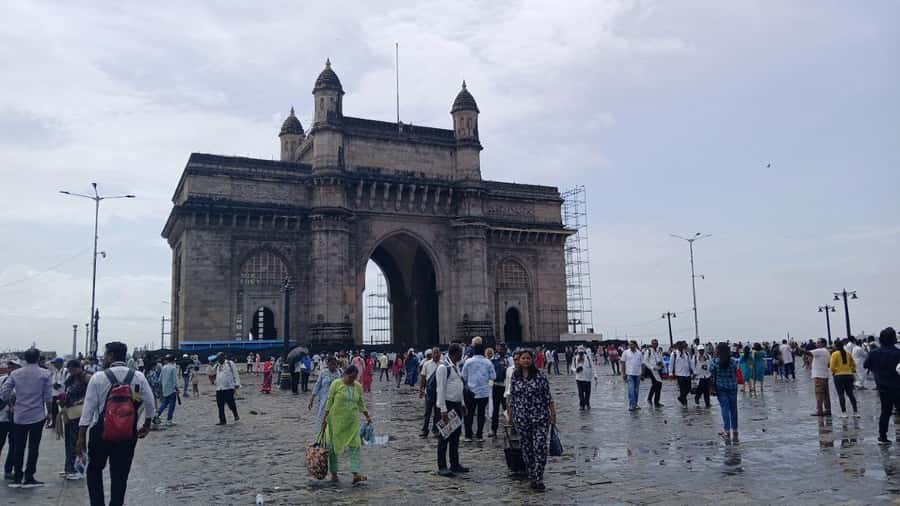
The second major market stop is Mangaldas Market, described as Mumbai’s oldest and largest indoor textile market. It is a useful contrast to Crawford. Instead of focusing mainly on food and household goods, Mangaldas is tied to fabric, clothing, and the city’s long-standing trade in textiles.
The market’s narrow lanes can feel confusing at first. Shop fronts sit close together, and cloth appears in many colors and patterns. You might see traditional Indian fabrics, clothing materials, and sellers working in a space designed for trade rather than sightseeing.
I like this part of the tour because it helps you understand how shopping works in Mumbai beyond modern malls. You are not simply looking at souvenirs. You are seeing a specialist market where people come to buy material for clothing and other uses.
The tour does not include personal purchases, so you should treat shopping as optional and budget separately if something catches your eye. The lack of pressure is important here. Monica specifically appreciated that the guide did not push the group to buy anything or take them to shops for inflated prices. That makes the visit more comfortable, particularly if you have already encountered aggressive selling elsewhere in India.
Hindu temples beside the market lanes
The tour then shifts from commerce to worship. You visit one of Mumbai’s oldest Hindu temples, where the guide explains elements of Hindu culture and shares stories connected with gods and goddesses.
This stop works best if you pay attention to the setting around the temple, not only the structure itself. The markets, old buildings, shrines, flowers, food stalls, clothing sellers, and worshippers all exist close together. That mixture is part of the experience. Religion here is not sealed away from ordinary life. It appears beside the shopping lanes and within the city’s daily routine.
You may see devotees visiting with flowers or other offerings, along with people pausing for prayer. The guide can help explain what you are seeing, which matters because temple customs are not always obvious to a first-time visitor.
The temple is not presented as a long, formal religious lecture. It is a short cultural stop within a larger walk. If you want detailed architecture or a lengthy lesson in Hindu theology, this tour may feel light. If you want a clear introduction to what happens around a working temple, it fits well.
Dress and behavior should be respectful. Follow the guide’s instructions, avoid blocking worshippers, and ask before taking close-up photographs. The tour information lists a camera as something to bring, but that does not mean every person or ritual is automatically available for photography.
Feeding cows at the shelter
The final stop is the tour’s most unusual feature: a cow shelter where you can feed the animals. In Hindu culture, cows carry religious importance, and feeding them is connected with the idea of earning good karma.
This is a simple activity, but it gives the tour a more personal ending than another market lane would. You are not only hearing about local beliefs. You are taking part in a small practice that many people connect with kindness, merit, and religious duty.
The cow shelter may also be the stop you remember most clearly because it is outside the usual first-time Mumbai route. Jessica and Inessa praised the guides for making the market and temple visit enjoyable, while Monica singled out the shelter as an unusual place she would not have visited alone.
Keep your expectations practical. This is not an animal park or a polished visitor center. It is a working shelter included as part of a cultural route. Follow instructions about feeding, wash your hands afterward, and give the animals room.
More market tours around Mumbai:
- Mumbai: Street Food and Night Markets Tour
★ 4.9 · 719 reviews - Mumbai Street Food & Night Markets
★ 5.0 · 225 reviews - Mumbai Street Food and Evening Bazaar Tour
★ 5.0 · 172 reviews - Mumbai Morning Market Tour of Flowers, Fish, and More
★ 5.0 · 100 reviews
How the guides shape the experience
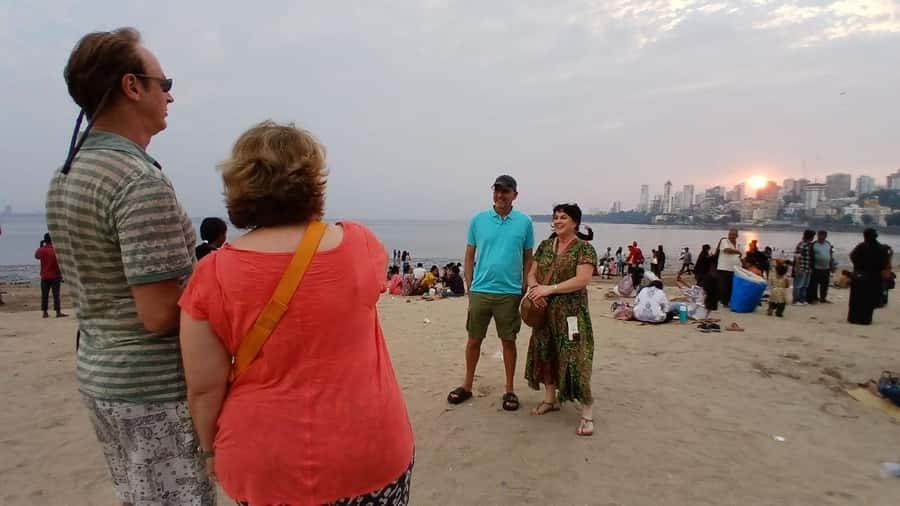
A short tour through Mumbai’s markets depends heavily on the guide. The streets can be crowded, the landmarks easy to miss, and the customs unfamiliar. A good guide turns a fast walk into something you can understand.
Shivam receives the strongest praise in the supplied feedback. Monica found him calm and trustworthy, even during monsoon rain. AR described him as friendly and very well informed, and Inessa said he made the market and temple visit fun while providing useful information.
Balajin, or Bala, also earns a positive mention for taking his time, showing additional places, and offering kind explanations. These comments suggest that the guide may make small adjustments to the route instead of treating the two hours as a rigid script.
Still, the experience can vary. One person found the guide friendly but sometimes too quick, with less attention given to the group than expected. That is a fair warning for anyone who wants slow, detailed explanations. If you need more time at each stop, tell the guide early. In a noisy market, a short explanation can be easy to miss.
Transport, meeting points, and timing
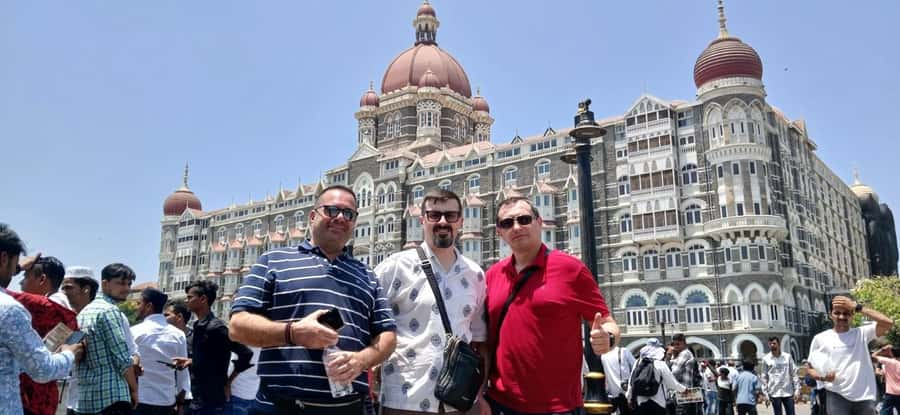
The activity lasts two hours and returns to the meeting point. The exact starting point can vary according to the option you book, so read your confirmation carefully instead of assuming the tour begins at a particular landmark.
Finding the starting place deserves extra attention. One person had trouble locating the meeting point because the station was very large. The guide eventually searched for the group, but you can save time by arriving early, checking the meeting instructions, and keeping your phone available.
Transport is included in the form of taxi fare, along with bottled water and a stop for chai. One tour account describes taking a public bus to Crawford Market, so the actual transfer may depend on the day or the selected option. Either way, you should expect local transport rather than a private sightseeing vehicle throughout the entire experience.
The short duration is both a strength and a limit. Two hours works well if you have a tight schedule or want an introduction before exploring more of Mumbai alone. It is not enough for an unhurried look at every stall, temple detail, and textile shop.
Monsoon rain is another practical consideration. The tour can still go ahead in wet weather, but narrow market lanes and outdoor sections may be less comfortable. Wear shoes with a good grip and carry protection from rain if the forecast calls for it.
What to bring and how to prepare
The supplied advice is simple: bring a hat, camera, sunscreen, and water. Bottled water is included, but your own supply is useful in Mumbai’s heat, especially if you are walking between stops.
Comfortable footwear matters more than dressy clothes. The markets involve narrow passages and crowded surfaces, while the temple and cow shelter require respectful behavior. Lightweight clothing that covers you appropriately is a sensible choice.
Chai is included as a stop, giving you a brief chance to pause during the route. It is a small detail, but welcome on a warm walk through busy streets. Personal purchases are not included, so bring money only if you plan to buy fabric, food, or other goods.
The tour is listed in English. If you want to understand the market stories and temple explanations, listen closely and ask the guide to repeat anything lost in the street noise.
Is $6 good value?

At $6 per person, this is inexpensive for a guided introduction to several parts of old Mumbai. You receive a guide, transport, bottled water, and chai, while the route includes two major market areas, a historic temple, and a cow shelter.
The value comes less from entrance tickets and more from orientation. Mumbai’s old markets can be confusing on your first visit. A guide helps you understand what each area sells, how the lanes fit together, and why temples and religious activity appear so close to commercial spaces.
You should not book it expecting a luxury experience. The price does not buy a private car, long visits at every stop, or a slow photographic tour. It buys a short, direct look at working parts of the city.
For a first visit, that is a sensible trade. You get an affordable introduction and can decide later which market or neighborhood deserves more of your time.
Who should book this Mumbai market tour?
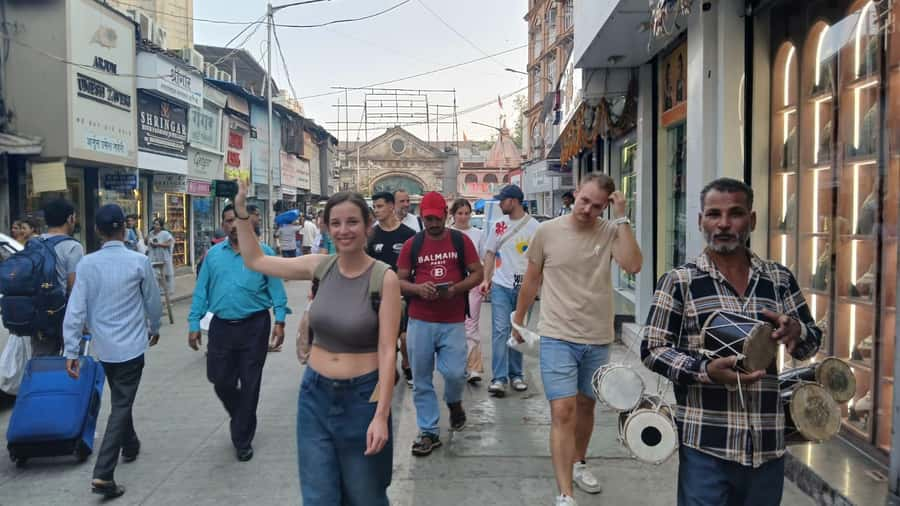
I would recommend it to you if you want to see ordinary city life rather than only Mumbai’s major landmarks. It suits first-time visitors, people with a spare morning or afternoon, and anyone interested in food markets, textiles, Hindu customs, or local transport.
It is also a good choice if you are cautious about shopping tours. The guide is not supposed to pressure you into purchases, and Monica’s experience suggests the route can be enjoyed without being steered toward expensive transactions.
You may want another option if you dislike crowds, narrow lanes, quick walking, or religious stops. The tour is also less suitable if your priority is architecture, detailed temple study, or extended market shopping. Its strength is variety and local contact within a short time.
Should you book it?
Book this tour if you want a cheap, compact introduction to Mumbai’s market culture and Hindu traditions. Crawford Market, Mangaldas textile market, the temple, and cow shelter give you four distinct experiences in two hours, and guides such as Shivam and Balajin can add useful local detail.
Before booking, make sure you can manage a brisk pace and confirm the meeting point carefully. If you do, the $6 cost is hard to criticize. This is not a grand sightseeing tour. It is a practical little window into the city’s working streets, religious life, and everyday shopping culture.
FAQ
How long does the Mumbai markets and temple tour last?
The tour lasts two hours and finishes back at the meeting point.
What markets are included?
The route includes Crawford Market and Mangaldas textile market. Crawford Market sells items such as fruit, chocolates, spices, and dry fruits, while Mangaldas is known for textiles and traditional fabrics.
Does the tour visit a Hindu temple?
Yes. You visit one of Mumbai’s oldest Hindu temples and learn about Hindu culture, including stories connected with gods and goddesses.
Can I feed cows during the tour?
Yes. The tour includes a visit to a cow shelter where you can feed the animals as part of a local practice associated with good karma.
Is transport included?
Taxi fare is included. One account of the tour describes using a public bus to reach Crawford Market, so the exact transport may depend on the option or day.
Is chai included?
Yes. The tour includes a stop for chai, along with bottled water.
What language is the tour offered in?
The tour is offered in English. Guides mentioned for this experience include Shivam and Balajin, also called Bala.
What happens if I need to cancel?
You can cancel up to 24 hours in advance for a full refund. You can also reserve the tour and pay later, keeping your plans flexible.
New market tours around Mumbai
- Mumbai: Local Markets & Temples Tour★ 4.6 · 45 reviews
- Night Tour: Mumbai’s Nights & Buzzing Bazaars★ 5.0 · 7 reviews
- Mumbai:Dhobi Ghat Laundry,Dharavi Slum & Flower market Tour★ 5.0 · 12 reviews
- Mumbai Morning Market Tour of Flowers, Fish, and More★ 5.0 · 100 reviews
- Mumbai Street Food Tour with Evening Bazaar Walk★ 4.9 · 79 reviews
- Mumbai Heritage, Street Food & Bazaar Walking Tour★ 5.0 · 4 reviews
- Mumbai Market and Temple Tour With Cow Shelter Visit★ 4.3 · 3 reviews
- Mumbai: Magical Markets Tour★ 4.5 · 23 reviews
Mumbai Market Tours, side by side.


Ultimate Mumbai Full Day: Sights, Bollywood Dance, Lunch & Spices
Read our review →
Mumbai Morning Market Tour of Flowers, Fish, and More
Read our review →

Mumbai:Dhobi Ghat Laundry,Dharavi Slum & Flower market Tour
Read our review →This tour also appears in