
Review · NAIROBI
Nairobi: Hop on Hop off and Maasai market Collections Visit
Nairobi comes into focus quickly on this five-hour city tour, which links museums, memorials, a skyscraper viewpoint, Kibera, and a Maasai market. You begin at the National Museum, ride through central Nairobi, and finish with local shopping in Karen.
I like the strong mix of city history and everyday Nairobi views. I also like the stop at KICC, where you ride to the top for a bird’s-eye look at the city, followed by the personal touch of hotel drop-off. The main caution is timing: five hours is tight, and some stops may feel rushed.
A second consideration is the entrance-fee wording. The tour information says fees are included, but two bookings reported paying separately at the National Museum and Railway Museum. I would confirm this before booking so the $98 price does not come with surprises.
Key points to know before you book
- The National Museum gets the most time: Plan on about one hour, though you may want longer.
- KICC provides the city view: You take a lift to the upper level for wide views over Nairobi.
- The route is more fixed than the name suggests: Despite the hop-on hop-off wording, the schedule reads like a guided coach circuit.
- Kibera is viewed from the vehicle: This is a passing observation, not a walking visit.
- Maasai Market is the shopping stop: You get about an hour to look for locally made souvenirs.
- Guide quality can shape the day: Ruben and Francis received especially strong praise for their punctuality, friendliness, and explanations.
What this Nairobi tour really offers

This is a compact introduction to Nairobi rather than a full study of the city. In five hours, you move between major sights by air-conditioned vehicle, with an English-speaking guide explaining what you are seeing.
That format works well if you have only one free day in Nairobi or want a broad first look before a safari. You get museums, memorial history, city views, and a market in one outing. You also avoid the effort of arranging separate taxis between distant parts of the city.
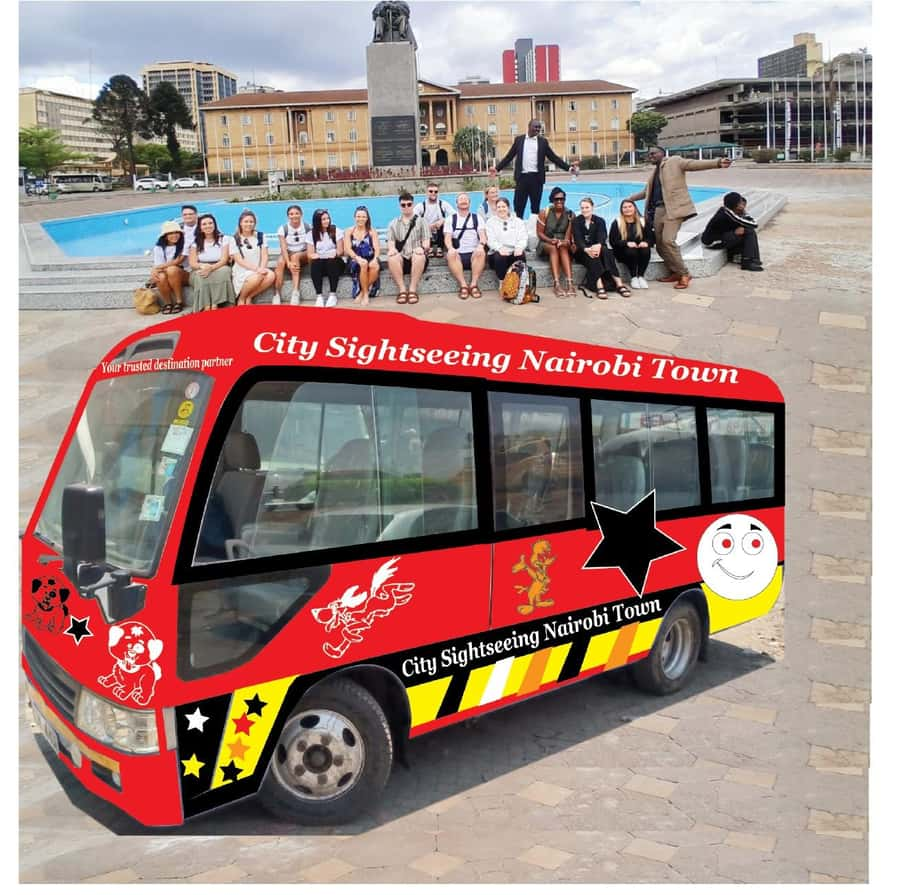
The route is not a traditional hop-on hop-off bus experience in the usual sense. You do not appear to choose your own stops or spend all day boarding and leaving a public sightseeing bus. Instead, you meet the guide at the Nairobi National Museum, follow a planned route, and return to the vehicle after each visit.
The meeting point is the parking lot at the National Museum, with arrival expected by 9am. That early start matters. It gives you enough time to cover the itinerary, but you should arrive ready to begin rather than expecting a slow morning coffee and a late departure.
More market tours around the world:
- Bangkok: Damnoen Saduak Market and Maeklong Railway Market
★ 4.5 · 26,723 reviews - The Old Siam: Damnoen Saduak and Maeklong Railway Market
★ 4.5 · 10,992 reviews - Dubai: Old Town, Creek, Museums, Souks, & Street Food Tour
★ 4.8 · 10,816 reviews
One hour at the National Museum
The National Museum is the intellectual center of the outing. You spend about an hour inside learning about Kenya’s history, culture, and natural heritage, although the building can easily justify more time.
I would treat this as the most important stop. One hour gives you an introduction, not a full visit. If museums are a major reason for your trip, you may leave wishing you had half a day here. If you prefer a broad city tour, the hour keeps the pace moving.
The guide directs you inside after entrance arrangements are handled. This is useful because you can begin with context rather than wandering through the galleries without a plan. The quality of the explanation may depend on your particular guide, so do not hesitate to ask questions.
A practical point: the published details say all entrance fees are included, but some bookings reported being asked to pay at the National Museum and Railway Museum. That conflict is important. Ask the operator exactly which tickets are covered before you go, and keep a little extra money available just in case.
Central Nairobi from the coach
After the museum, the vehicle passes through several central areas, including Globe Roundabout, Moi Avenue, Parliament Road, and the KICC area. These sections are not listed as long walking stops, but they help you see how Nairobi’s public, commercial, and government districts fit together.
I like this part because it gives the tour some street-level context without adding another formal attraction. You see the city during its normal working day, with traffic, offices, major roads, and public buildings passing outside the windows.
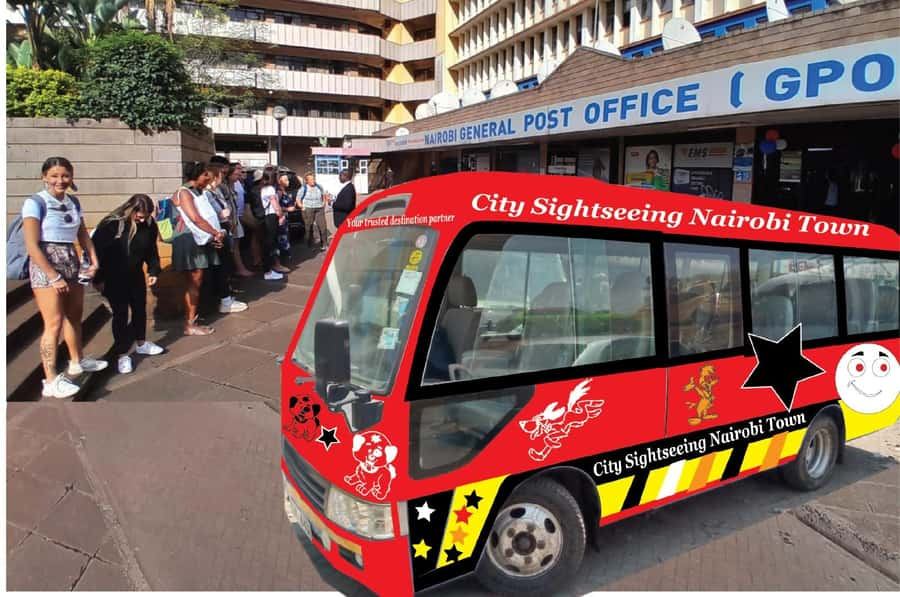
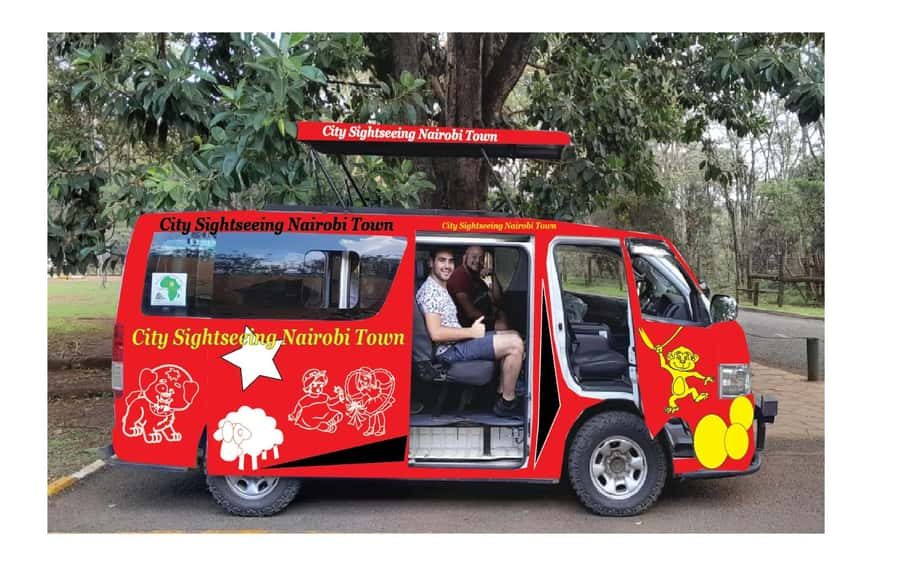
The coach also makes the trip easier than walking between the sights. Nairobi is spread out, and the route includes stops in central Nairobi, Upper Hill, the Kibera area, and Karen. Air conditioning is a real benefit, especially when the schedule leaves little room for delays.
The trade-off is that you may not get much time to stop and photograph every place passed along the route. If you want a flexible photo tour, this schedule may feel too controlled. If you want to cover ground without arranging transport, it makes good sense.
KICC and the view from above
The Kenyatta International Convention Centre is one of the tour’s clearest visual highlights. You leave the vehicle, take a lift to the upper levels, and look out across Nairobi from one of its best-known buildings.
The visit lasts about 30 minutes. That is enough for photographs and a quick look at the city’s buildings and daily activity, but not enough for a long visit or a relaxed stay if the viewpoint is crowded.
I would put this stop near the top of the list for first-time visitors. A city can be hard to understand from street level alone. From KICC, you can see how central Nairobi spreads toward the horizon, making the earlier drive through the city easier to place.
Bring a phone or camera, and keep your belongings close during the lift ride and viewpoint visit. The tour information also promotes free Wi-Fi and live photo sharing from the park, though the detailed city route does not identify a specific park stop. I would confirm when and where Wi-Fi is available rather than treating it as guaranteed at every point.
Same city, another market:
- Bangkok: Train Market & Floating Market with Boat Ride
★ 4.7 · 9,547 reviews - Dubai: Old Town, Souks, Street Food, Guided Tour & Abra Ride
★ 4.9 · 7,170 reviews - From Bangkok: Ayutthaya & Ayothaya Floating Market Day Trip
★ 4.7 · 6,084 reviews - Dubai: Frame Tickets, Creek, Souks & Blue Mosque Guided Tour
★ 4.8 · 5,980 reviews
Remembering the 1998 bombing
The Bomb Blast Memorial Park is a quieter stop. It commemorates people who died in the 1998 United States embassy bombing and includes a condolence book and displays connected with the event.
You spend about 30 minutes here. That is enough time to read the material and pause at the memorial, but the stop calls for a respectful pace rather than a quick checklist visit.
This part gives the tour modern historical weight. Nairobi is not only museums and viewpoints, and the memorial helps place the city’s recent past alongside its older history. I appreciate that the route includes a place for reflection instead of filling every minute with shopping and photographs.
The drawback is that the visit may feel brief if you want to study the evidence and displays closely. I would listen carefully to the guide, then use the remaining time to read the memorial material yourself.
Railway history at the Nairobi Railway Museum
The Nairobi Railway Museum adds a different piece of the city’s story. Here you learn about railway construction in the early 20th century and see old railway equipment, including fire engines associated with the line’s early operation.
The planned visit lasts about one hour, making it one of the tour’s more substantial stops. It is a good counterpoint to the National Museum because it focuses on transport, engineering, and the forces that helped shape Nairobi.
The guide at the museum shows you around, so you are not left to guess what the equipment was used for. For anyone interested in old machinery or the practical history of East African railways, this could be one of the day’s strongest sections.
The schedule is not always guaranteed. One booking reported that the Railway Museum stop was cancelled without advance notice, so I would ask about its status at the beginning of the day. The entrance-fee issue also applies here. Although the activity details say fees are included, some people reported paying separately.
Passing Kibera from the vehicle
The route continues along Upper Hill and State House Road toward Kibera. You view the area from the vehicle rather than taking a walking tour.
Kibera is described as home to thousands of low-paid or poor families, with difficult living conditions. That subject requires care. You are seeing part of a real community, not a staged attraction, and a short drive-by cannot explain all the lives and challenges there.
I would treat this as a brief visual introduction, not a complete understanding of Kibera. Keep photography discreet and follow the guide’s instructions. The value here is in recognizing another side of Nairobi’s urban reality, while remembering that a vehicle window offers only a limited view.
This stop may feel uncomfortable or unsatisfying if you expect detailed context. It is included as part of the drive, not presented as a full community visit with local interaction.
Shopping at Maasai Market in Karen
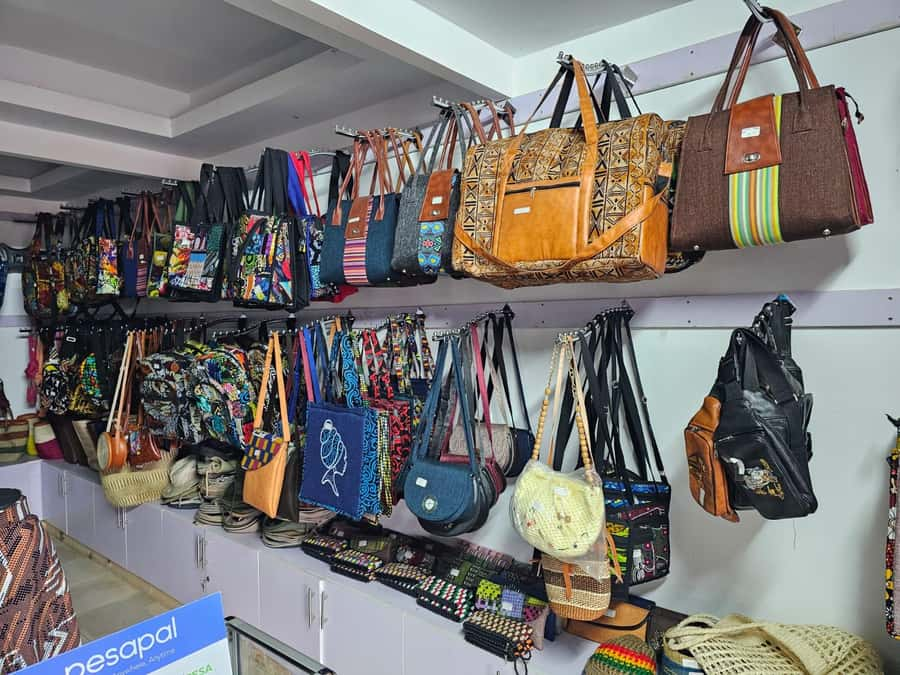
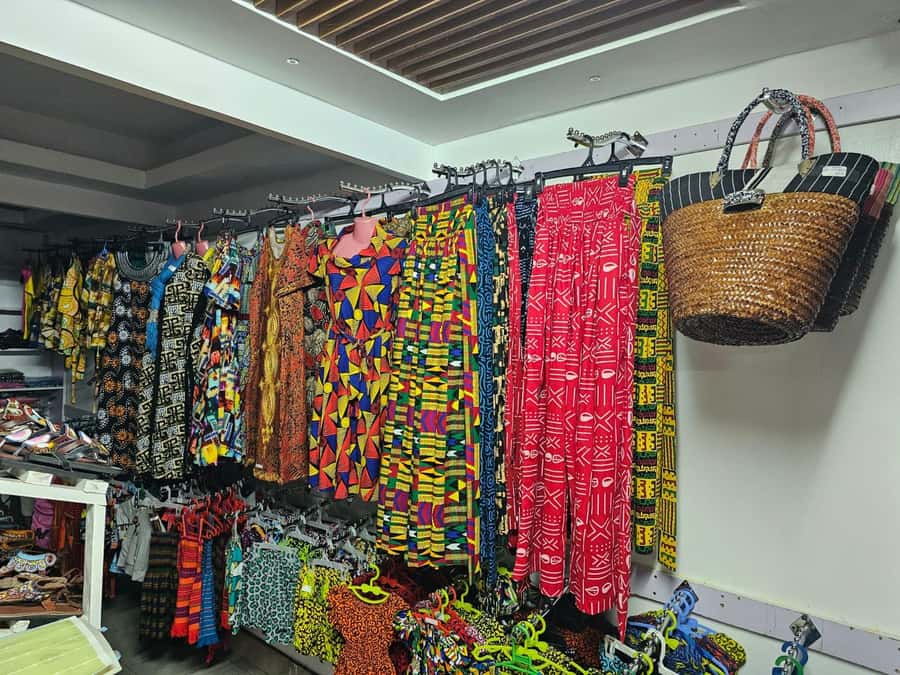
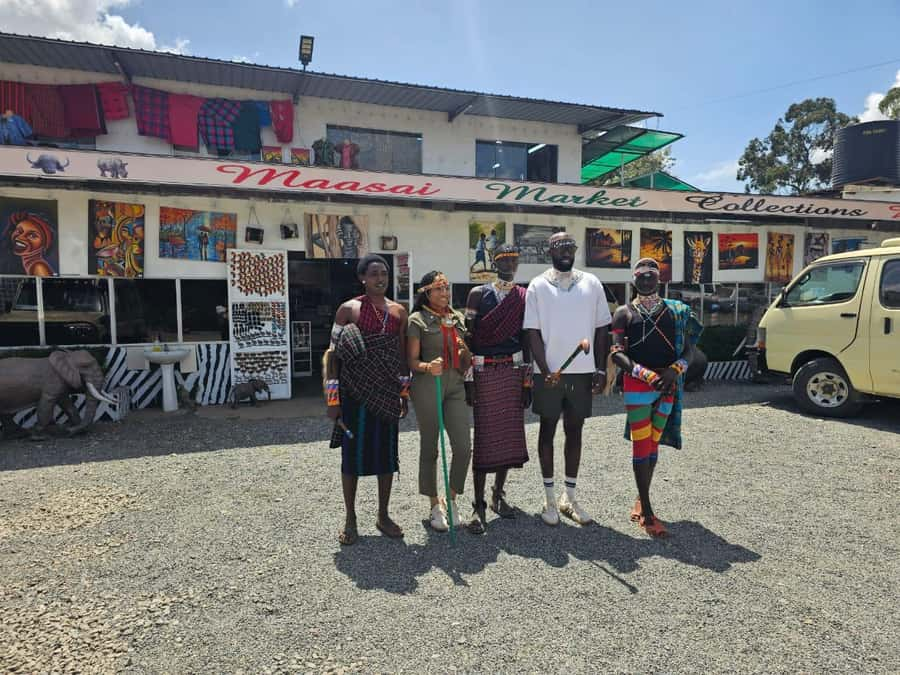
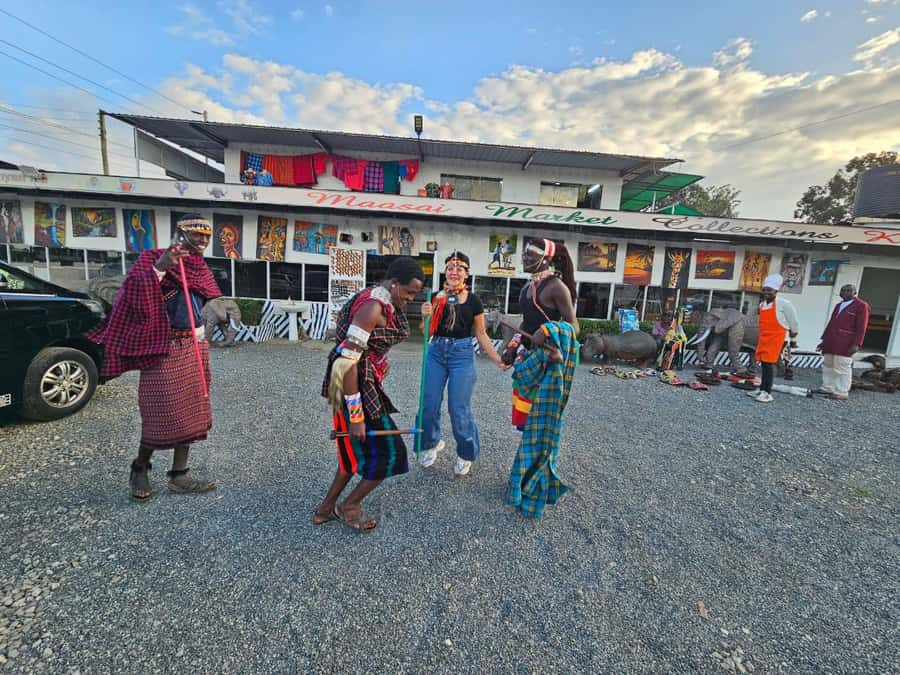
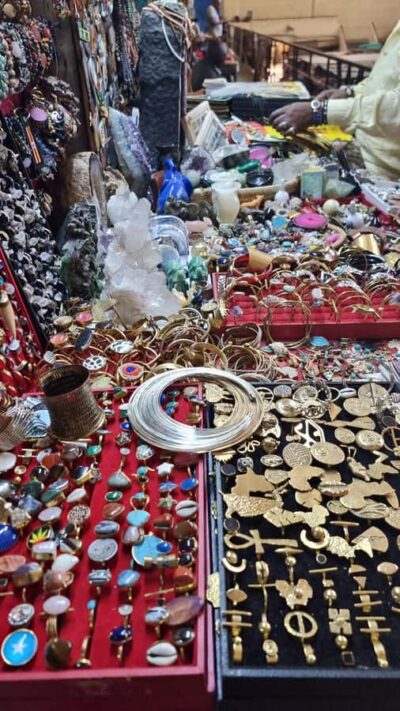
The final formal stop is the Maasai Market Collections in Karen, where you get about one hour to browse local souvenirs and buy directly from artisans.
This is a practical ending. After museums and memorials, you have time to slow down, compare items, and choose something to take home. The market offers locally made goods at local prices, according to the tour details, though you should still compare products and negotiate only in a friendly, respectful way if bargaining is part of the sale.
The market is also where the tour becomes most personal. You are not just looking at objects behind glass. You are meeting sellers and deciding what has real value to you. Ask about materials, workmanship, and how items should be packed for the journey home.
Do not spend your entire market hour in the first stall. Walk around first, note prices, then return to the pieces you remember. The guide may help with basic direction, but the final buying decision is yours.
The guide makes the difference

This itinerary relies heavily on the guide. A strong guide can turn the drive between stops into a useful lesson about Nairobi. A quiet guide can leave you feeling that you were simply transported from one ticket booth to the next.
Ruben was praised for being on time, friendly, and helpful during the route. Francis was singled out for his city knowledge and for explaining the places visited. Those details matter because the schedule includes several short stops where clear commentary helps you understand what you are seeing.
The experience has not been consistent for everyone. One booking reported a late guide who could not be reached, a cancelled Railway Museum visit, and very little explanation unless questions were asked. I would save the operator’s contact details, confirm the meeting point before departure, and ask at the start whether every listed stop is operating that day.
The guide is also the right person to ask about entrance tickets, the market, and the city areas viewed from the vehicle. Speak up early if you want more history, more time at the museum, or clarification about a change in the route.
Is $98 a fair price?
At $98 per person, the value depends on how much independent planning you want to avoid. The price covers transportation in an air-conditioned vehicle, an English-speaking guide, mineral water, and, according to the published details, entrance fees.
For five hours, the cost is not a bargain-basement city bus ticket. You are paying for a private organized route that links places spread across Nairobi, plus hotel or residence drop-off at the end. That can be worthwhile if you have limited time and do not want to arrange separate rides.
The value weakens if museum admission is charged again, if the Railway Museum is skipped, or if the guide provides little explanation. Since the ticket information and actual payment experiences do not match perfectly, confirm the fee policy before purchase.
There is also free cancellation up to 24 hours before the activity and a reserve-now, pay-later option. These terms help if your Nairobi plans are still changing. The activity is listed as wheelchair accessible, although the most useful practical step is to confirm how the vehicle and each museum entrance are handled for your needs.
Who should book this experience?
I would recommend it to a first-time Nairobi visitor with one free day, a short stop between flights, or a desire to see several major sights without handling city transport alone.
It also suits you if you like a mix of museums, city views, serious history, and souvenir shopping. The National Museum and KICC are the strongest reasons to go, while the memorial and Kibera drive add context that a simple sightseeing loop would miss.
I would be more cautious if you want long museum visits, a fully flexible hop-on hop-off schedule, or a detailed walk through Kibera. The itinerary is fixed, the stops are timed, and the name may suggest more freedom than the actual format provides.
Should you book it?
Book this tour if your priority is coverage. In five hours, you can see the National Museum, KICC, Bomb Blast Memorial Park, the Railway Museum, part of Kibera, and the Maasai Market, with transport and a guide handling the route.
Before paying, confirm two things: which entrance fees are truly included and whether the Railway Museum will operate on your date. If those details are clear, the tour offers a useful first look at Nairobi, especially when you get a guide such as Ruben or Francis who keeps the history moving.
If you have more than one day in the city, I would consider separating the National Museum and Railway Museum into a slower visit. For a single compact introduction, though, this is a practical choice with enough variety to keep the day interesting.
FAQ
Where does the tour meet?
You meet the guide at the parking lot of the Nairobi National Museum. The requested arrival time is 9am.
How long does the activity last?
The tour lasts five hours. The National Museum takes about one hour, KICC about 30 minutes, Bomb Blast Memorial Park about 30 minutes, the Railway Museum about one hour, and Maasai Market about one hour, with driving time between stops.
Is the tour conducted in English?
Yes. The live tour guide language is English.
Are entrance fees included?
The activity information says all entrance fees are included. However, some bookings reported paying separately at the National Museum and Railway Museum, so confirm this point with the operator before departure.
Is transportation provided?
Yes. Transportation is provided in an air-conditioned vehicle, with mineral water listed as included. The tour also says guests are dropped at their hotel or residence afterward.
Can I cancel the booking?
You can cancel up to 24 hours in advance for a full refund. A reserve-now, pay-later option is also available.
New market tours around the world
- Tel Aviv: 2-Hour Carmel Market Tour in English with Lunch★ 4.8 · 23 reviews
- Tel Aviv: Carmel Market & Neighborhood Guided Walking Tour★ 4.7 · 3 reviews
- Tel Aviv: 2-Hour Jaffa Flea Market Tour with Tastings★ 4.9 · 8 reviews
- Tel Aviv: Carmel Market Food Tasting Tour “Shuk Hacarmel”★ 4.0 · 8 reviews
- Tel Aviv: 2-Hour Levinsky Market Tour with Full Lunch★ 4.7 · 10 reviews
- Tbilisi 2 Parks: Turtle Lake & Dedaena Park with Flea Market★ 5.0 · 3 reviews
- Tbilisi: Street Food & Sightseeing Tour with Local Markets★ 5.0 · 8 reviews
- Teguise: Market and César Manrique Foundation Tour★ 4.3 · 39 reviews
Nairobi Market Tours, side by side.

Traditional Kenyan Cooking Class & Local Market Tour
Read our review →
Memorable Daily KIBERA Slums/Toi Market Tour with Locals (2 hours)
Read our review →
Authentic Kenyan Cooking Class & Market Tour in Nairobi
Read our review →
Nairobi: Explore Maasai Market for Unique Souvenirs
Read our review →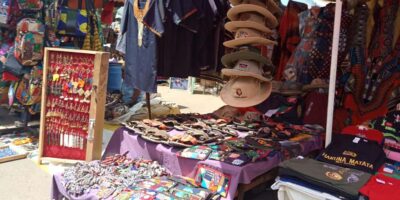

Nairobi Traditional Cooking Classes and Local Market Visit
Read our review →This tour also appears in