
Review · NAIROBI
Nairobi: Maasai Market and Nairobi City Tour
Nairobi’s story comes into focus as you move between old civic buildings, national monuments, markets, and the city’s modern skyline. This private tour gives you a useful first look at the capital without asking you to plan every stop yourself.
I like the small private format and the chance to learn a few Swahili words from your guide. I also like the local food stop at Nairobi City Market, where you can choose a snack rather than simply stare at menus. The main consideration is walking: the tour is not suitable for wheelchair users or people with mobility impairments.
Key Points
- Private city walk: You get an English-speaking guide for your group, with hotel pickup and drop-off included.
- A broad Nairobi route: Stops include Uhuru Gardens, the Kenya Archives, Parliament Buildings, All Saints Cathedral, Kipande House, and several major monuments.
- Maasai Market visit: Allow about 30 minutes to browse decorative arts and local crafts.
- Local food stop: A snack at a traditional Nairobi restaurant is part of the experience, but food and drinks are paid separately.
- History with modern context: The guide explains both Nairobi’s past and the current meaning of its public buildings and memorials.
- A calm way to see central Nairobi: One guest specifically praised guide Paul for explaining the city clearly and helping the walk feel safe.
A First Look at Nairobi’s Old and New Center
This four to five hour tour works best as an orientation to central Nairobi. You are not spending half a day inside one museum or traveling far outside the city. Instead, you move between public spaces, memorials, markets, religious buildings, government sites, and city streets.
That variety is the point. Nairobi can feel hard to read on your own, especially during a short stay. A guide gives you the basic map in your head: where the older civic center sits, how the newer commercial streets fit around it, and why certain names appear again and again in Kenyan public life.
The tour is private, so the pace can feel more personal than a large coach outing. You can ask questions as you go, and the guide can explain a building when you are standing in front of it rather than giving you a long speech from a vehicle.
The listed price is $35 per person, which is fair if you want transport, a private English-speaking guide, and a planned route through several central sights. It is less compelling if you only want a market visit or a quick monument walk. The value comes from the combination: pickup, interpretation, city landmarks, a food stop, and return transport in one compact experience.
More market tours around the world:
- Bangkok: Damnoen Saduak Market and Maeklong Railway Market
★ 4.5 · 26,723 reviews - The Old Siam: Damnoen Saduak and Maeklong Railway Market
★ 4.5 · 10,992 reviews - Dubai: Old Town, Creek, Museums, Souks, & Street Food Tour
★ 4.8 · 10,816 reviews
Hotel Pickup and the Move Into Central Nairobi

Your day starts with pickup at your accommodation, with the exact starting point depending on the option you select. The tour ends with drop-off in Nairobi, with International House listed as another drop-off point.
One useful detail from the experience is that the guide may ask if you want to take a local bus into the center. That gives you a choice between a more direct transfer and a small slice of ordinary city transport. If you prefer a quieter start, discuss the option with your guide before setting off.
Your guide speaks English and leads the tour as a private group. Paul is one named guide associated with the experience, and feedback specifically describes his explanations as clear, calm, and reassuring. That matters in a city tour. A good guide does more than identify buildings. He helps you understand where to stand, what to notice, and how each place fits into Nairobi’s story.
You receive a 500 milliliter bottle of mineral water. Bring more if you know you drink often, since the tour lasts most of a morning or afternoon and includes walking.
Uhuru Gardens and Nairobi’s National Story
Uhuru Gardens is scheduled as a 30-minute visit. The name is closely tied to independence, and the stop gives the tour a wider national frame before you concentrate on central Nairobi.
You can expect your guide to explain the site’s historical meaning and modern role rather than simply offering a photo stop. The time is short, so think of Uhuru Gardens as an introduction, not an extended park visit.
I like this early stop because it connects the city tour to Kenya as a whole. Nairobi is not just a collection of offices and streets. Its monuments and public gardens carry political memory, and learning that context helps the later stops make more sense.
The downside is that a 30-minute visit leaves little room for lingering. If you want a slow stroll or extensive photographs, you may feel hurried. The tour has many stops to cover, so the schedule favors range over long visits.
Monuments to Dedan Kimathi and Tom Mboya

The Dedan Kimathi Monument and Tom Mboya Monument bring two important Kenyan figures into the walking route. Your guide explains the people represented by these memorials and why their names remain important in Nairobi’s public spaces.
These stops are valuable because monuments can otherwise pass by as decoration. With context, you can read them as signs of national debate, independence, leadership, and civic identity. You do not need a long museum visit to begin seeing how Kenya presents its past in the middle of daily city life.
The tour also includes the modern part of Nairobi, where you can take in the skyline and compare newer buildings with older landmarks. That contrast is one of the best reasons to choose this experience over a market-only outing.
Expect time on foot between some locations. The supplied information does not give a precise walking distance, so wear comfortable shoes and prepare for a city route rather than a seated sightseeing trip. Because the activity is not suitable for people with mobility impairments or wheelchair users, contact the provider before booking if walking is a concern.
Same city, another market:
- Bangkok: Train Market & Floating Market with Boat Ride
★ 4.7 · 9,547 reviews - Dubai: Old Town, Souks, Street Food, Guided Tour & Abra Ride
★ 4.9 · 7,170 reviews - From Bangkok: Ayutthaya & Ayothaya Floating Market Day Trip
★ 4.7 · 6,084 reviews - Dubai: Frame Tickets, Creek, Souks & Blue Mosque Guided Tour
★ 4.8 · 5,980 reviews
Nairobi City Market and a Taste of Local Food
Nairobi City Market adds an everyday food and shopping angle to the day. You can stop at a traditional Nairobi restaurant and choose a snack, giving you a chance to try something local without committing to a full meal.
Food and drinks are not included in the $35 price. That is worth remembering when you compare the tour with other city packages. The snack is an opportunity to choose what appeals to you, not a prepaid tasting menu.
I like this part because food gives you a quick connection to place. A guide can teach you names, customs, and a few Swahili words while you eat. The experience is more useful when you participate, even in a small way, rather than only listening to a city lecture.
Keep your expectations practical. The information does not specify the snack, restaurant, or dietary choices, so ask your guide what is available that day. If you have food restrictions, do not assume the stop will automatically suit you. You can also treat it as a short break and pay for only what you want.
Learning Basic Swahili Along the Way
The guide teaches you some Swahili words during the tour. This is a small feature, but I think it makes a city walk more memorable and gives you a polite way to greet people during the rest of your stay.
The activity is conducted in English, so you do not need Swahili to follow the explanations. The language lesson is an extra layer, not a formal class. Expect useful words and phrases rather than a full language course.
This is also where a private tour has an advantage. You can repeat a word, ask how to pronounce it, or request a phrase that fits your plans. In a large group, those simple questions can be harder to fit into the schedule.
McMillan Memorial Library, Kipande House, and the Kenya Archives
The route includes McMillan Memorial Library, Kipande House, and the Kenya Archives. These stops add architectural and institutional detail to the tour.
McMillan Memorial Library introduces another side of Nairobi’s civic center, away from the open-air market and monuments. Kipande House links the route to the city’s colonial-era and administrative past. The Kenya Archives offers a chance to discuss records, public memory, and the way a country preserves its documents and images.
The exact amount of time at each site is not specified, and the tour does not say that entrance tickets to interiors are included. You should therefore expect guided viewing from the route and explanations of the buildings, unless your guide confirms access on the day.
That limitation is not necessarily a problem. The strength of this activity is the way it connects several places in one walk. If you want detailed interior tours of every building, you will need more time and perhaps separate visits. If you want a clear introduction to Nairobi’s central institutions, the route does the job efficiently.
Parliament Buildings and All Saints Cathedral
The Parliament Buildings and All Saints Cathedral show two different sides of the capital: national government and religious life. Your guide explains the significance of each stop and points out how these buildings fit into the city center.
Public buildings often make more sense when someone explains their role. You can look at a facade on your own, but a guide helps you understand why it matters and how it relates to Kenya’s past and present.
All Saints Cathedral adds a change of mood from monuments and administrative buildings. It also gives the walk more visual variety. You are not simply moving from one government office to another.
Do not assume that the tour includes entry into every building. The supplied details describe visits and guided explanations, but they do not promise interior admission. Ask your guide on the day if you want to know which sites can be entered.
The Maasai Market in About 30 Minutes
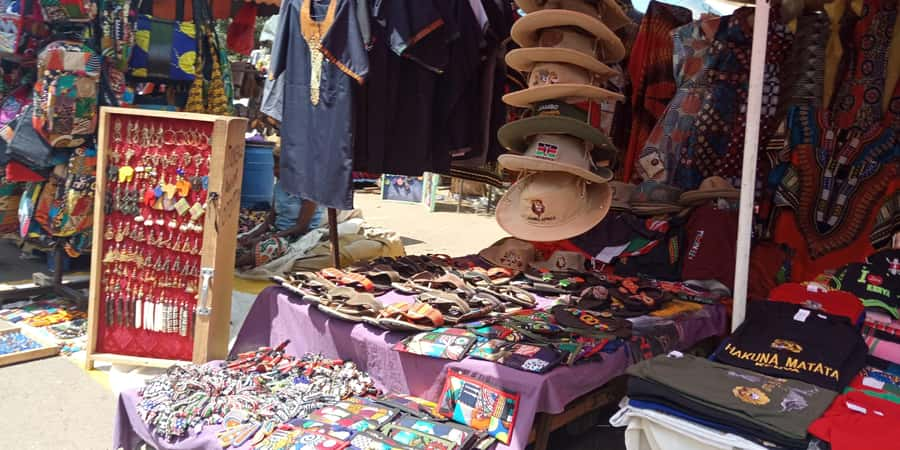
The Maasai Market is the shopping-focused portion of the experience, with a scheduled visit of about 30 minutes. You can browse decorative arts and crafts associated with Maasai culture while your guide explains what you are seeing.
Half an hour is enough for a first look, especially if you already know what you want. It is not much time for a slow, thoughtful shopping session across a large market. If buying gifts matters to you, decide before arriving whether you want to browse, compare prices, or make a quick purchase.
Markets reward patience and clear communication. Ask about prices, take your time, and do not feel obliged to buy the first item offered. The tour gives you an introduction, not a guarantee that every stall or product will be available that day.
I like the market stop because it balances the formal city route. Nairobi is not only monuments, archives, and government buildings. The market shows the decorative and commercial side of local culture, though you should approach Maasai items with respect and ask questions rather than treating them as anonymous souvenirs.
The experience does not include a shopping allowance or any stated purchases. Bring payment in the form you normally use in Nairobi, but do not assume every vendor accepts the same method. Your guide can help with general orientation and questions.
How the Timing Works
The main guided city portion is listed as about three hours, with 30 minutes at Uhuru Gardens and 30 minutes at the Maasai Market. With transfers and the food stop, the full experience runs four to five hours.
That timing makes this a good half-day choice. You can fit it around another Nairobi plan, but leave room for traffic and the fact that city tours do not always move at clockwork. The listed duration is a range, not a promise that you will be back at exactly the four-hour mark.
The route includes many names, so you will get more from it if you accept that some stops are brief. I would choose this tour for breadth and orientation. I would not choose it if your priority is spending a long time at one museum, shopping without a time limit, or taking a slow architectural photography walk.
The private group format gives you some flexibility, but the information does not promise a fully custom route. Ask your guide early if one stop matters especially to you. That is the best way to use the available time.
Who Will Get the Most From This Tour
I would recommend this activity to a first-time Nairobi visitor who wants a structured introduction to the center. It suits you if you like history, public buildings, local food, markets, and short walking stops in one package.
It also works well for a solo visitor or small private group that wants a guide without joining a large coach tour. The calm, clear guiding style noted in the feedback is useful if you are new to Nairobi and want help finding your bearings.
You should think twice if you have mobility limitations. The experience is explicitly not suitable for wheelchair users or people with mobility impairments, and the route includes walking between central sights.
You may also want another option if your main goal is a long Maasai Market shopping session. The market visit lasts about 30 minutes, while the rest of the day focuses on Nairobi’s buildings, monuments, food, and history.
Booking Details Worth Knowing
The tour costs $35 per person and includes hotel pickup and drop-off, an English-speaking guide, and 500 milliliters of mineral water. Food, drinks, and market purchases cost extra.
You can cancel up to 24 hours before the activity for a full refund. The reserve-now, pay-later option lets you keep your plans flexible and pay nothing at the time of booking.
Starting times depend on availability and the option selected. Confirm your pickup details before the day begins, particularly if you are staying outside the main city center.
Should You Book the Nairobi City and Maasai Market Tour?
Book it if you want a well-priced half-day introduction to Nairobi, with a private guide, hotel transport, civic landmarks, a local snack stop, and a short market visit. The strongest part is the range of places covered and the guide’s role in explaining what you are looking at.
Paul is one named guide connected with the experience, and the feedback points to clear explanations, a calm manner, and a reassuring presence. You should still treat the tour as an overview. The schedule is too short for long visits at every building, and the Maasai Market portion is brief.
For most first-time visitors who can walk comfortably, $35 is a sensible price for the combination of transport and interpretation. Bring comfortable shoes, budget extra for food and shopping, and ask about the local bus option if you want a more everyday start to the day.
FAQ
How long does the Nairobi city and Maasai Market tour last?
The activity lasts about four to five hours, including the guided city tour, visits to Uhuru Gardens and the Maasai Market, transfers, and the food stop.
What language is the tour conducted in?
The live tour guide speaks English. The guide also teaches you some Swahili words during the experience.
Is hotel pickup and drop-off included?
Yes. Hotel pickup and drop-off are included. The exact starting point depends on the option selected, and Nairobi and International House are listed as drop-off locations.
Is food included in the price?
No. Food and drinks are not included. You can choose a snack at a traditional Nairobi restaurant, but you pay for it separately.
Is the tour suitable for wheelchair users?
No. The activity is listed as unsuitable for wheelchair users and people with mobility impairments.
Can I cancel the tour for a full refund?
Yes. You can cancel up to 24 hours in advance for a full refund. A reserve-now, pay-later option is also available.
New market tours around the world
- Tel Aviv: 2-Hour Carmel Market Tour in English with Lunch★ 4.8 · 23 reviews
- Tel Aviv: Carmel Market & Neighborhood Guided Walking Tour★ 4.7 · 3 reviews
- Tel Aviv: 2-Hour Jaffa Flea Market Tour with Tastings★ 4.9 · 8 reviews
- Tel Aviv: Carmel Market Food Tasting Tour “Shuk Hacarmel”★ 4.0 · 8 reviews
- Tel Aviv: 2-Hour Levinsky Market Tour with Full Lunch★ 4.7 · 10 reviews
- Tbilisi 2 Parks: Turtle Lake & Dedaena Park with Flea Market★ 5.0 · 3 reviews
- Tbilisi: Street Food & Sightseeing Tour with Local Markets★ 5.0 · 8 reviews
- Teguise: Market and César Manrique Foundation Tour★ 4.3 · 39 reviews
Nairobi Market Tours, side by side.

Traditional Kenyan Cooking Class & Local Market Tour
Read our review →
Memorable Daily KIBERA Slums/Toi Market Tour with Locals (2 hours)
Read our review →
Authentic Kenyan Cooking Class & Market Tour in Nairobi
Read our review →
Nairobi: Hop on Hop off and Maasai market Collections Visit
Read our review →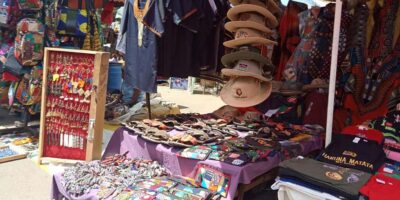
Nairobi: Explore Maasai Market for Unique Souvenirs
Read our review →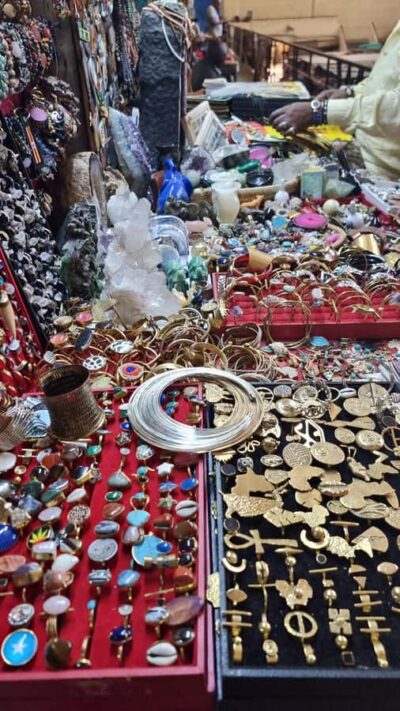

Nairobi Traditional Cooking Classes and Local Market Visit
Read our review →This tour also appears in