
Review · NAIROBI
Traditional Kenyan Cooking Class & Local Market Tour
Nairobi food culture comes into focus here through three linked experiences: a local market visit, a ride on public transport, and a home cooking session with Nimoh. You help choose the ingredients, see how people shop for everyday meals, then prepare a Kenyan dish from scratch before sitting down to eat it.
I like the market stop because it gives you a practical look at the produce behind the meal, not just a polished cooking demonstration. I also like the matatu ride, which adds a real slice of Nairobi life and turns the trip between stops into part of the experience. The main consideration is that a matatu and a local market are active, informal settings, so this will suit you better if you enjoy hands-on travel than if you want a quiet, fixed-location class.
Key points to know before booking
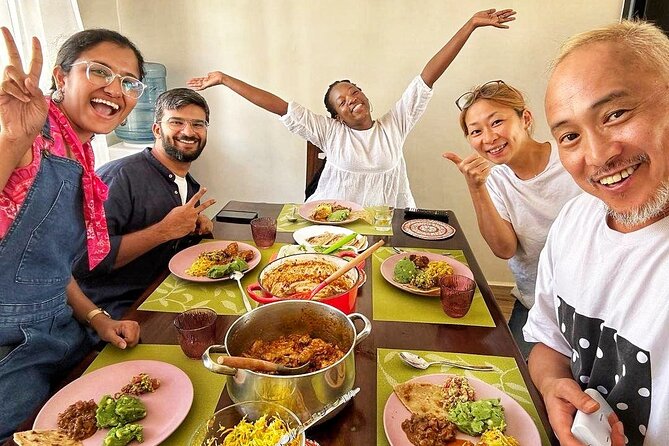
- Three experiences in one: Shop at a farmers market, ride a matatu, and cook in a Nairobi home.
- Nimoh leads the day: She explains produce, food customs, local life, and cooking techniques along the way.
- The meal is made from scratch: You prepare a main dish, a side dish, and vegetables, then eat what you make.
- The $50 price includes groceries: You are not asked to pay extra for the market ingredients used in class.
- You can choose your level of participation: Get your hands dirty, watch the cooking, or skip the market and join for the home meal.
- Plan around the three-and-a-half-hour schedule: The experience starts and ends at Westlands SquareRing Rd in Parklands.
Why this Nairobi food experience feels different
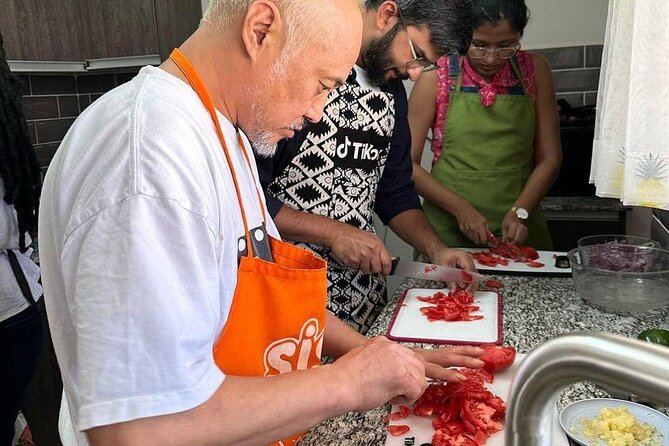
Many cooking classes put you in a kitchen first and explain the food later. This one begins with the ingredients. That change matters. At the market, you can see the vegetables, meat, spices, and other foods in their everyday setting before Nimoh shows you how they become lunch or dinner.
The class also takes place at Nimoh’s home rather than in a restaurant or teaching kitchen. That gives the meal a more personal feel. You are not only learning a recipe. You are hearing about Kenyan customs, family food, Nairobi, and the small decisions that make a dish taste right.
The format is social without requiring you to perform. You can cook alongside Nimoh and the other people in your group, or simply watch and ask questions. The maximum group size is 15, so it is not an intimate one-on-one lesson every time, but the home setting keeps it warmer than a large commercial class.
The experience is priced at $50 per person. Since that includes the grocery shopping, the cost is fair for a three to three-and-a-half-hour activity that combines guiding, transport, ingredients, instruction, and a meal. It is especially good value if you want one activity that covers several sides of Nairobi rather than paying separately for a market visit and a cooking class.
More Local and Farmers Market Tours in the world:
- Hanoi Cooking Class: Culture, Local Market & Meaning CSR Impact
★ 5.0 · 5,147 reviews - Cooking Class and Lunch at a Tuscan Farmhouse with Local Market Tour from Florence
★ 5.0 · 4,831 reviews - Chef Guided Food Tour of Pike Place Market
★ 5.0 · 3,733 reviews
Meeting Nimoh in Parklands
You meet at Westlands SquareRing Rd in Parklands, Nairobi. The meeting point is near public transport, and the activity finishes back there after the home meal and cooking session.
The exact order and timing are shared after booking, but the experience generally moves from meeting and shopping to the matatu ride, then to Nimoh’s home. Give yourself enough time to reach the starting point without rushing. The class is built around a shared schedule, and the market stop works best when you arrive ready to walk, look closely, and take part.
Nimoh’s role is more than that of a cooking teacher. She guides you through the market, explains how to select ingredients, talks about Kenyan food and customs, and keeps an eye on the practical side of moving through Nairobi. Several details make this useful for a first stay in the city, including local suggestions for the rest of your visit.
The experience information identifies the host as Nimoh, while one description refers to Wairimu. If the name matters for your meeting arrangements, confirm it when you book. Communication is available through the booking platform and WhatsApp, according to the supplied experience details.
Reading Nairobi through a farmers market
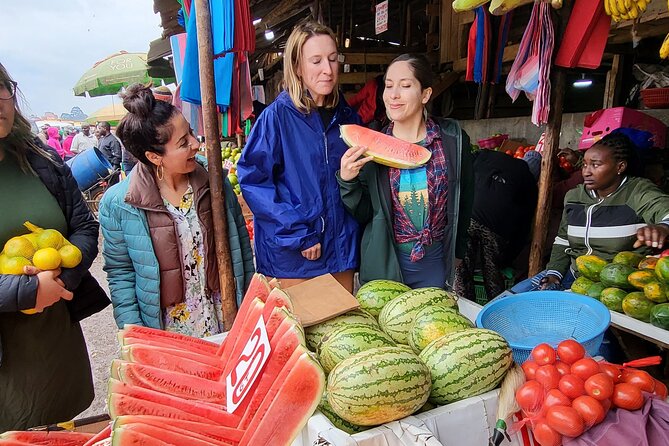
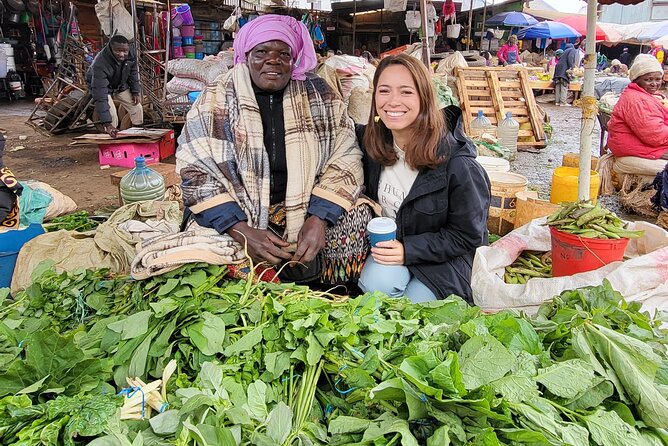
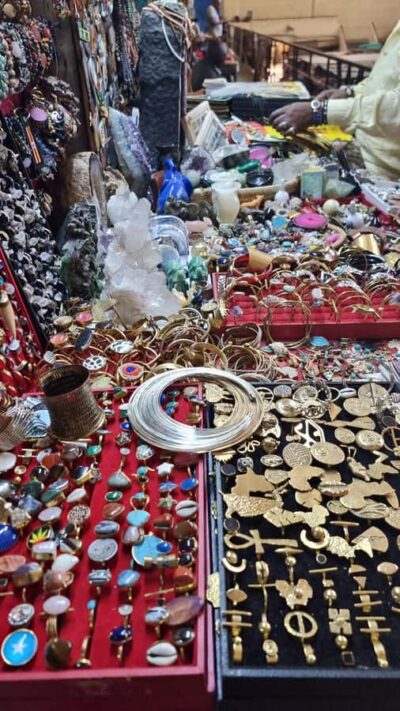
The market visit is the strongest opening because it gives context to the cooking. You are not handed a premeasured basket of ingredients with no explanation. You help shop for the food, see what is available, and learn what to look for when choosing produce.
Nimoh explains the foods and spices, along with tips for picking ingredients with the best taste. You may also see meat and street food options, giving you a broader view of what people buy and eat than a standard supermarket visit would provide.
This is a chance to ask simple but useful questions. What is this vegetable? How is it cooked? Which ingredients go together? What should you look for when buying it? The answers connect the market to the meal later in the day.
The market can also be the most unpredictable part of the outing. It is not designed for tourists, and that is the point, but you should expect a local shopping setting rather than a tidy attraction. If you are tired, uncomfortable with the market, or simply want to focus on the food, you can skip this portion and join the home cooking session instead.
The grocery cost is included in the $50 price. That removes one small worry and lets the shopping remain part of the lesson rather than an extra transaction. You can see the ingredients being selected without having to calculate a separate bill at the stall.
The matatu ride is part of the lesson
The trip from the market to Nimoh’s home uses a matatu, Kenya’s shared public transport. This is not just a transfer. It is a direct look at an everyday part of Nairobi life, complete with the energy and character that make local transport different from a private car.
The ride may include loud music and colorful decoration. That can make it memorable, but it also means the trip is not as calm or predictable as a taxi transfer. Nimoh accompanies you and helps you manage the experience, which is important if you have never used a matatu before.
I would treat the ride as a cultural activity, not as a sightseeing route. You are there to experience how people move around the city, not to see a set list of landmarks from the window. Keep your attention on Nimoh and your belongings, and follow her lead.
This part may be the deciding factor for some people. If you want a controlled tour with private transport, this is not that. If you want to try a normal form of Nairobi transport with a local guide beside you, the matatu adds something you will not get in a standard cooking class.
More Market and Cooking Class Tours in the world:
- 5 Traditional Dishes Hanoi Cooking Class with Market Trip
★ 5.0 · 4,890 reviews - Chiang Mai: Cooking Class, Market & Thai Herbs Garden Tour
★ 4.9 · 4,824 reviews - Chiang Mai: Authentic Cooking Class with Market & Farm Visit
★ 4.9 · 4,546 reviews - Barcelona: Paella Cooking Experience & Boqueria Market Tour
★ 4.8 · 3,661 reviews
Cooking a Kenyan meal from scratch
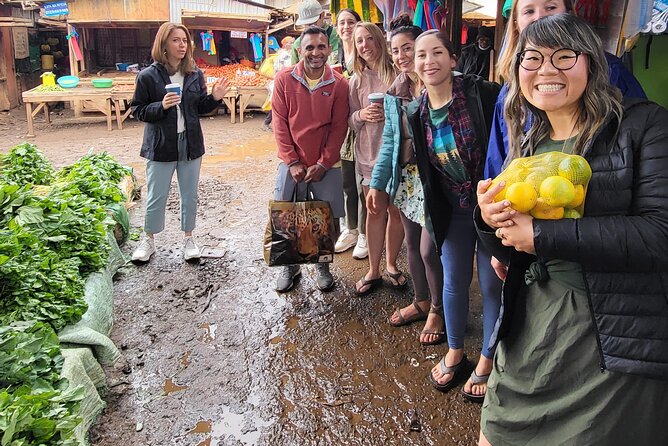
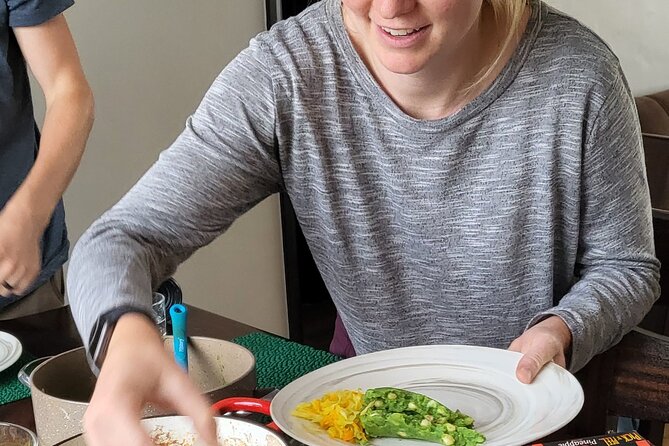
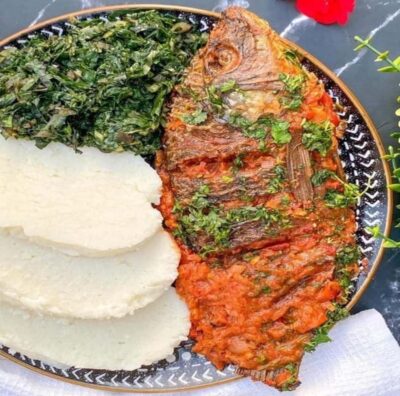
At Nimoh’s home, the market purchases become a complete Kenyan meal. The class includes a main dish, a side dish, and vegetables. The exact menu can vary, and the meal may include foods such as chapati, stewed goat, and accompanying sides, based on the dishes described in the experience material.
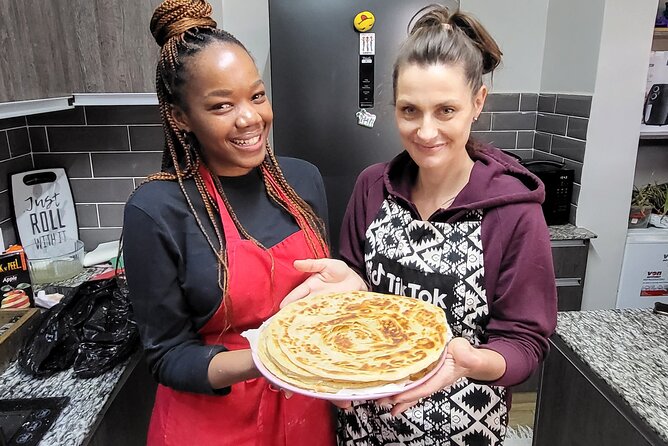
Chapati can be a highlight because it gives you a hands-on task and shows how a familiar Kenyan food comes together. You may also work with meat, vegetables, and spices, depending on the selected menu. Nimoh explains the steps and offers practical cooking tips that you can use beyond this one meal.
The class is designed for participation, but there is no pressure to do every task. You can help prepare the food, watch, or split the work with the rest of your group. That makes it suitable for people with different comfort levels in the kitchen.
The home setting changes the mood. Instead of finishing a demonstration and leaving, you sit down to eat the food you helped make. The meal becomes time for conversation about family, traditions, local customs, and daily life in Kenya.
You can also carry away the food prepared during the experience. That is useful if you have made more than you can eat at the table, or if you want to save a portion for later.
What the meal tells you about Kenya
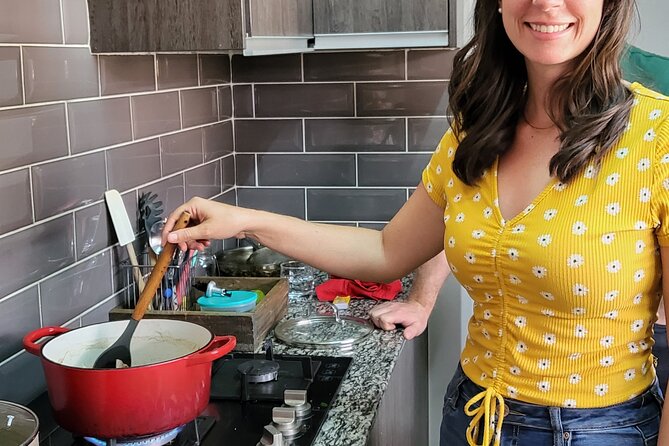
Food is one of the easiest ways to understand a place because it connects shopping, farming, family life, celebration, and daily routine. This experience keeps those links visible. You see the ingredients at the market, hear how they are used, prepare them in a home, and eat the finished dish with the person who taught you.
Nimoh also brings in cultural context rather than treating recipes as isolated instructions. You learn about Kenyan food traditions and local life while working. That conversation is a major part of the value, especially if you want more than a recipe card.
The experience is connected to the host’s own tribal food traditions. The meal therefore has a personal and regional angle, rather than pretending that one menu represents every Kenyan kitchen. You should see it as one host’s introduction to Kenyan cooking and culture, shaped by her background.
That personal focus is a strength, but it also means the menu is not presented as a full survey of the country’s cuisine. If you want to sample many regions or several separate dishes, a food walk may offer more variety. If you want to learn one complete meal well, this format makes more sense.
Dietary needs and participation choices
Vegetarian, pescatarian, and gluten-free options are available with advance notice when booking. Tell the host early so the ingredients and menu can be planned properly. Do not wait until you arrive, since the market shopping is tied to what you will cook.
You can also skip the market if you are not feeling up to it and join the home meal and cooking portion. This flexibility is useful after a long flight, on a hot day, or if mobility and energy are limited.
The cooking location has lifts and is wheelchair accessible. Service animals are allowed. The activity is near public transportation, and the building is described as easily accessible.
The market and matatu portions may still feel more demanding than the home setting. The provided information confirms access at the cooking location, but it does not give detailed accessibility information for every part of the route. If you need specific support for the market or public transport, ask before booking.
Who will get the most from this experience
I would choose this for a first or second day in Nairobi if you want help getting your bearings through food and local life. Nimoh’s local suggestions can also help you plan the rest of your stay.
It suits curious eaters, home cooks, couples, solo visitors, and small groups who like conversation. You do not need advanced cooking skills. The class is about taking part and learning, not proving that you can run a professional kitchen.
It is also a good match if you want to meet Nairobi through ordinary places. The market and matatu are not polished attractions, and the home meal keeps the experience personal.
I would think twice if you dislike public transport, prefer a private vehicle, or want a short class with no market walking. The activity takes three to three-and-a-half hours, and its charm comes from the full sequence. Skipping the market is possible, but you would miss one of the three main parts.
The maximum group size is 15. That is small enough for a shared class but not guaranteed to feel private. If you want one-on-one instruction, ask about the group size for your date before booking.
Price, timing, and cancellation details
At $50 per person, the experience includes grocery shopping, the cooking class, the matatu component, and the meal. The price is strongest when you take part in the complete outing. You are paying for access to local settings and personal guidance, not only for food.
The activity takes about three hours and 30 minutes. The start and end point are both at Westlands SquareRing Rd in Parklands, so you do not need to arrange a separate return transfer from the home.
Confirmation is provided at booking. Free cancellation is available up to 24 hours before the start time for a full refund. Cancellations or changes made within 24 hours are not accepted for a refund.
The experience requires good weather and a minimum number of people. If poor weather or an unmet minimum causes cancellation, you are offered another date or experience, or a full refund.
Should you book this Nairobi cooking class?
Book it if you want a personal introduction to Nairobi through food, and if a market visit and matatu ride sound as appealing as the meal itself. The strongest parts are the ingredient shopping, Nimoh’s practical guidance, the home setting, and the chance to eat what you prepare.
Choose another activity if you want private transport, a quiet restaurant-based lesson, or a broad tasting menu. For everyone else, the $50 price gives you a useful mix of cooking, conversation, local transport, and everyday Nairobi. It is a particularly good choice for anyone who wants to get beyond the usual sightseeing without giving up comfort and guidance.
FAQ
How long does the Traditional Kenyan Cooking Class and Local Market Tour last?
The experience lasts approximately three to three-and-a-half hours.
Where does the experience start and end?
It starts and ends at Westlands SquareRing Rd, Parklands, Nairobi, Kenya.
Does the price include the market groceries?
Yes. The $50 price includes the grocery shopping for the meal.
Can I skip the market visit?
Yes. You can skip the market and join the cooking and home meal portion if you are not feeling up to the shopping trip.
Are dietary options available?
Vegetarian, pescatarian, and gluten-free options are available if you provide notice when booking.
What is the cancellation policy?
You can cancel at least 24 hours before the start time for a full refund. Cancellations or changes made less than 24 hours before the start time are not refunded or accepted.
New market tours around the world
- Tel Aviv: 2-Hour Carmel Market Tour in English with Lunch★ 4.8 · 23 reviews
- Tel Aviv: Carmel Market & Neighborhood Guided Walking Tour★ 4.7 · 3 reviews
- Tel Aviv: 2-Hour Jaffa Flea Market Tour with Tastings★ 4.9 · 8 reviews
- Tel Aviv: Carmel Market Food Tasting Tour “Shuk Hacarmel”★ 4.0 · 8 reviews
- Tel Aviv: 2-Hour Levinsky Market Tour with Full Lunch★ 4.7 · 10 reviews
- Tbilisi 2 Parks: Turtle Lake & Dedaena Park with Flea Market★ 5.0 · 3 reviews
- Tbilisi: Street Food & Sightseeing Tour with Local Markets★ 5.0 · 8 reviews
- Teguise: Market and César Manrique Foundation Tour★ 4.3 · 39 reviews
Nairobi Market Tours, side by side.

Memorable Daily KIBERA Slums/Toi Market Tour with Locals (2 hours)
Read our review →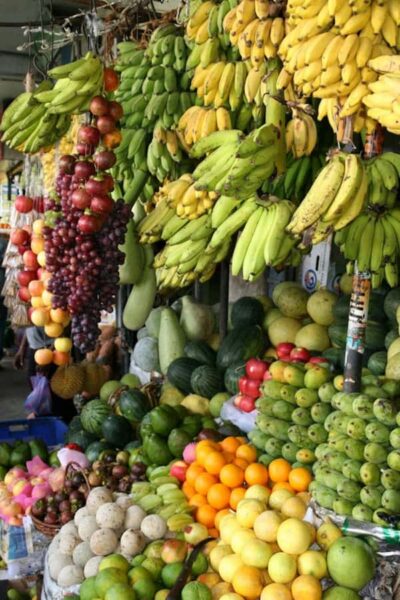
Authentic Kenyan Cooking Class & Market Tour in Nairobi
Read our review →
Nairobi: Hop on Hop off and Maasai market Collections Visit
Read our review →
Nairobi: Explore Maasai Market for Unique Souvenirs
Read our review →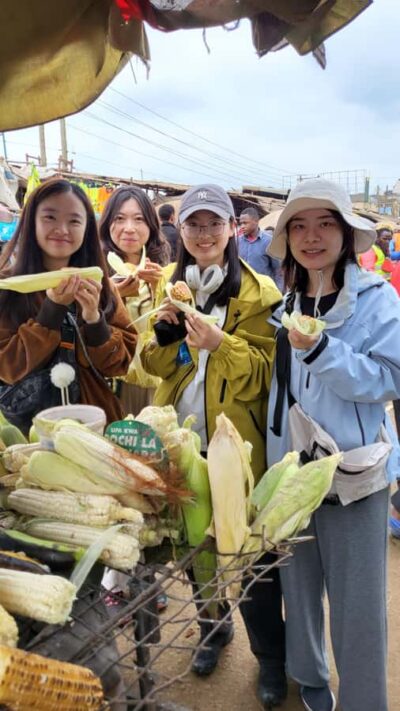
Local Market Tour and Traditional Meal Cooking Class
Read our review →
Nairobi Traditional Cooking Classes and Local Market Visit
Read our review →This tour also appears in