Review · TOKYO
Tokyo: Tsukiji Fish Market Food and Walking tour
Tsukiji is easiest to enjoy when someone helps you make sense of the food stalls, narrow lanes, and tempting displays. This two-hour walking tour starts at Tsukiji Hongwanji Temple, then leads you through the market and Tsukiji Jogai Market, where you can sample seafood, sushi, fruit, Japanese omelets, fried fish cakes, eel, and more.
I like the choose-your-own-food format, since you pay only for what you actually want to eat. I also like the small group size, capped at 10 people, and the flexible pace. The main consideration is that food and drinks are not included, so bring yen and expect the final cost to rise above the $30 tour price.
Key points at a glance
- Choose your own dishes: There is no fixed menu, so you decide what appeals to you and pay each stall directly.
- Three useful stops: The tour combines Tsukiji Hongwanji Temple, Tsukiji Fish Market, and Tsukiji Jogai Market.
- Guides who know the lanes: Guides including Rie, Haydn, Minori, Jim, Shino, Sayaka, and Yayoi are praised for food advice and market navigation.
- Plan for extra cash: Food is not included, and one detailed account recommends carrying about 10,000 yen for tastings and small purchases.
- A manageable first visit: The guide can point out good-value stalls, explain unfamiliar ingredients, and help you avoid tourist-priced choices.
- A short, active outing: Expect about two hours of walking, standing, browsing, and eating before returning to the meeting point.
Why a guide helps at Tsukiji Market
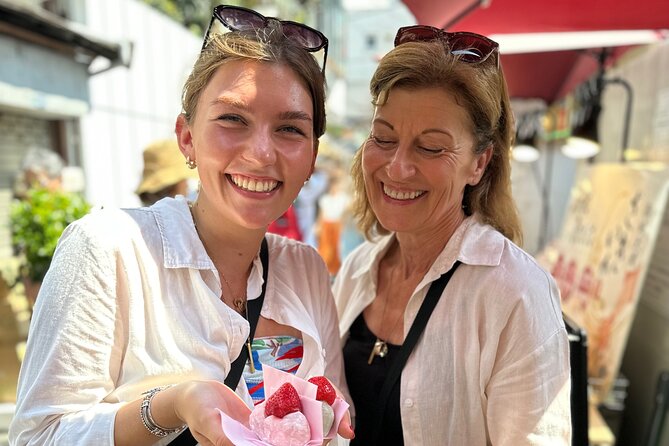
Tsukiji is not one simple hall where you walk up to a counter and order a meal. It is an area of food shops, seafood sellers, small counters, and market lanes. That variety is the fun, but it can also make your first visit feel scattered.
A guide gives the visit shape. You meet at the Starbucks Coffee by Tsukiji Station, then walk to the temple and market area with an English-speaking local guide. Along the way, you can ask what an ingredient is, how it is usually eaten, and which foods are worth your limited appetite and budget.
This matters most if you are new to Japanese food. A display of sea urchin, eel, fish cakes, or unfamiliar cuts of seafood can be hard to judge on sight. Guides such as Rie have encouraged guests to try foods they might otherwise skip, including sea urchin and eel. Other guides have helped groups compare prices and avoid stalls aimed mainly at tourists.
The experience also works well for families. Haydn is specifically praised for keeping both adults and children interested, while guides such as Joe and Yayoi are described as friendly and easy to follow. Since the group is limited to 10 people, it should feel more personal than a large bus-style food tour, though the exact atmosphere depends on the day’s group and guide.
More Market Food Tours in Japan
- Tokyo Tsukiji Fish Market Food and Culture Walking Tour
★ 5.0 · 3,184 reviews - Tokyo: Tsukiji Fish Market Food and Culture Walking Tour
★ 4.7 · 757 reviews - Tsukiji Fish Market: Street Food & Culture Walking Tour
★ 5.0 · 669 reviews
Starting at Tsukiji Hongwanji Temple
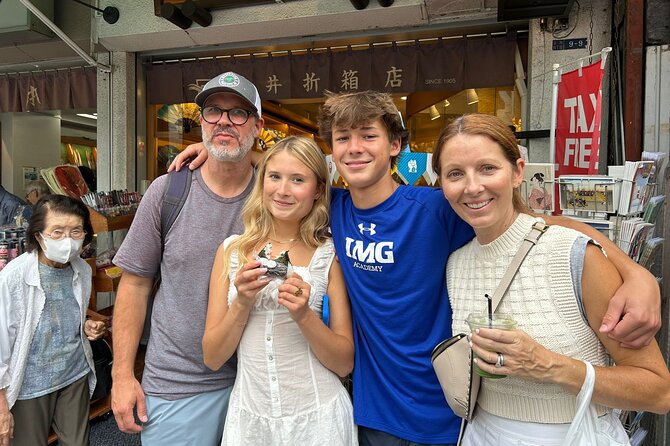
The first stop is Tsukiji Hongwanji Temple, with about 30 minutes set aside for the visit. This is a useful cultural opening before the food begins. The temple has an unusual architectural style for Tokyo, and the guide explains its background and place in the neighborhood.
I can see why some people appreciate this stop. It gives you a quiet pause before entering the market, and it adds context to an area often treated as nothing more than a place to eat. Haydn, Shino, and other guides have been praised for explaining Japanese history and culture in a clear, engaging way.
Still, this is also the tour’s most obvious point of possible mismatch. If you booked specifically for seafood and expected every minute to focus on market stalls, 30 minutes at a temple may feel like time taken away from eating. One less enthusiastic account made exactly this point. You should choose this tour knowing that it is a food and culture walk, not a nonstop tasting route.
Walking into the old fish-market district
After the temple, the tour spends about an hour around Tsukiji Fish Market. The area is tied to Tokyo’s former wholesale fish-market activity, including the famous tuna auctions that once drew attention to Tsukiji. The wholesale operation later moved, but Tsukiji remains a major place to shop for seafood and Japanese food products.
The guide’s role here is practical. You are not simply shown a street and told to wander. You can learn about ingredients used in sushi and local dishes, see how seafood and prepared foods are sold, and stop at places that fit the group’s interests.
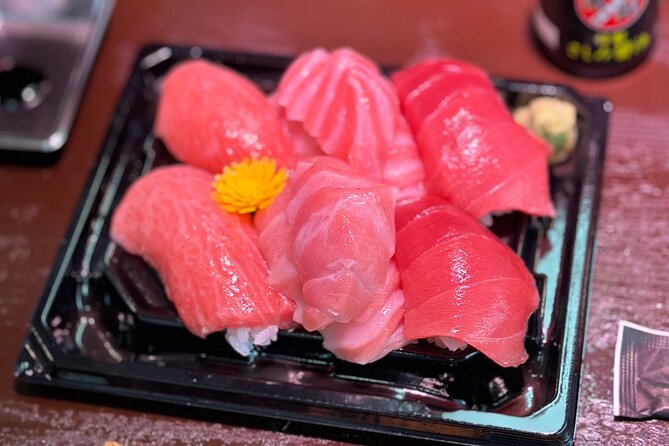
The flexible format is one of the strongest parts of the tour. If your group wants sushi, the guide can help direct you toward seafood options. If you prefer cooked food, you might choose a Japanese omelet, fried fish cake, eel, wagyu beef, or another prepared item. Fruit is also included among the possible tastings, which gives you a break from seafood.
You should not expect a formal restaurant meal. This is a walk among market counters and shops, with food purchased as you go. Some stalls may be better suited to quick eating than sitting down for a long lunch. You will likely spend part of the hour standing, waiting, choosing, and moving between stops.
Tsukiji Jogai Market and the food decisions
The final 30-minute stop is Tsukiji Jogai Market, the outer market area packed with food shops and stalls. This is where the tour’s tasting format becomes most useful. Instead of receiving a preselected plate, you can decide what looks good at the moment.
That freedom has two advantages. First, it avoids paying for food you do not want. Second, it lets you follow your appetite. You can try a small seafood item, then add fruit or an omelet rather than committing to a large set menu.
The tradeoff is that the experience does not have one fixed food value. Two people on the same tour could spend very different amounts. One person may order only a few small samples, while another may want sushi, wagyu beef, sea urchin, eel, and additional market treats.
I would set aside about 10,000 yen if you want to taste several items without worrying about running short. That figure comes from practical advice connected with the experience, not from an included food allowance. Your actual spending can be lower or higher, and the tour price itself does not cover food or drinks.
Cash is important. A detailed account specifically advises bringing yen because food purchases are paid separately at the stalls. The tour price is $30 per person, which is reasonable for a small guided walk, but you should judge the total cost as the $30 fee plus whatever you buy in the market.
More Market Food Tours in Tokyo
- Tsukiji Fish Market Small-Group Food Walking Tour
★ 5.0 · 621 reviews - Tokyo Food Tour Taste Fresh Delights at Tsukiji Market
★ 5.0 · 429 reviews - Tsukiji Fish Market: Street Food & Culture Walking Tour
★ 4.8 · 259 reviews
The guides make the biggest difference
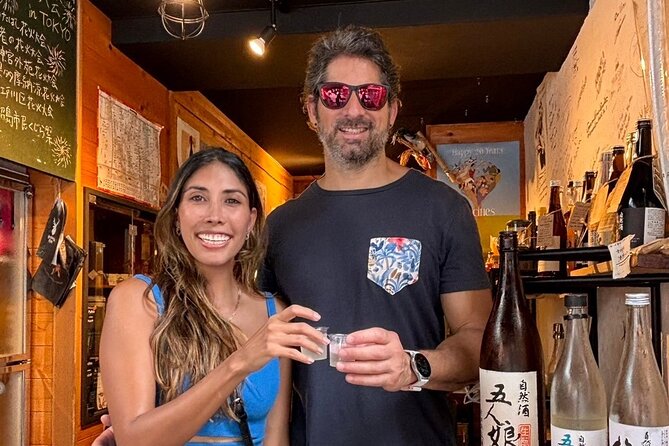
The quality of this experience depends heavily on the person leading it. The strongest guide comments focus on three things: making the market easy to navigate, explaining food and culture, and giving sound buying advice.
Rie is repeatedly singled out for energy, care, and strong food recommendations. She is described as guiding groups to good stalls, warning them away from tourist traps, and helping them find similar products at lower prices. That kind of local judgment can make a real difference in a market where prices and portions are not always easy to compare.
Haydn is praised for leading groups through the area with ease and for explaining the temple and food. He has also been credited with knowing which choices offer good value. Minori is described as combining food suggestions with Japanese history and culture, while Jim brings a distinctive perspective on Japanese culture and is praised for his market guidance.
Other named guides include Benjamin, Nicolas, Shino, Sayaka, and Yayoi. Benjamin and Jim have been praised for making the walk feel personal. Nicolas is described as friendly and helpful with food stalls. Shino’s background as a chef is noted as an advantage when discussing food, while Sayaka is praised for her humor and kindness.
Because you may receive any available guide, you should not book solely for one person’s name. The useful point is that the experience has a team of guides with different strengths. Your guide will shape the balance between temple information, market background, food suggestions, and casual conversation.
What you might eat, and what you might skip
This is not a set-menu food tour, so I would arrive with a short wish list rather than a firm meal plan. The foods mentioned include:
- Fresh seafood and sushi
- Sea urchin
- Eel
- Japanese omelets
- Fried fish cakes
- Fruit
- Wagyu beef
- Other local market foods
The ability to choose is especially helpful for people with strong preferences or food limits. You can spend more of your budget on seafood, stick to cooked items, or try only one or two small portions.
It also lets you control the pace. If you find a food you love, you can focus on that style rather than being hurried through a preset list. If something does not appeal to you, you simply pass.
Do keep in mind that the food is bought individually, and there is no promise that every item will be available on every outing. The route and choices can change with the group’s interests and the market’s conditions. The description promises opportunities to sample these types of foods, not a guaranteed list of every dish.
Is two hours enough for Tsukiji?
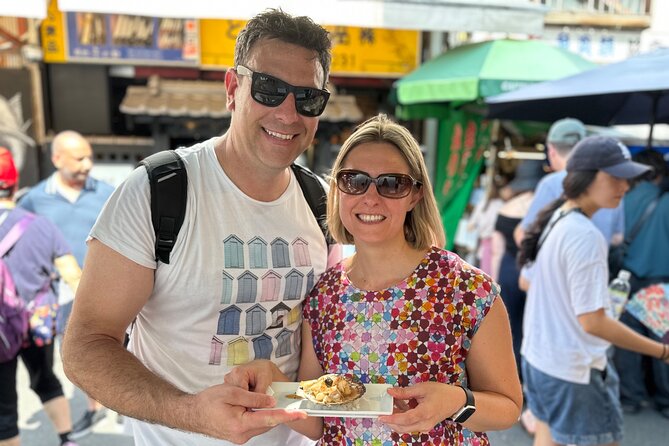
Two hours is enough for a first look, especially if you want help getting oriented. The schedule gives roughly 30 minutes to the temple, one hour to the fish market, and 30 minutes to the outer market. That is a brisk introduction rather than a full morning of browsing.
I like this length for a first day in Tokyo. You can learn the layout, taste a few foods, and still have most of the day available for Ginza, Hamarikyu Gardens, Asakusa, or another part of the city. The tour ends back at the meeting point, which makes it easier to continue sightseeing from Tsukiji Station.
The short duration does mean you need to stay with the group and make choices quickly. If you want to examine every stall, shop for gifts, or eat a full meal, you will need extra time before or after the tour. This experience gives you an introduction and a guided start, not unlimited market time.
Expect some walking and standing, though the outing is described as not especially strenuous. Most people can participate, and service animals are allowed. The meeting point is near public transportation, but the exact route from your hotel is not provided, so check the location in advance.
What the $30 price really buys
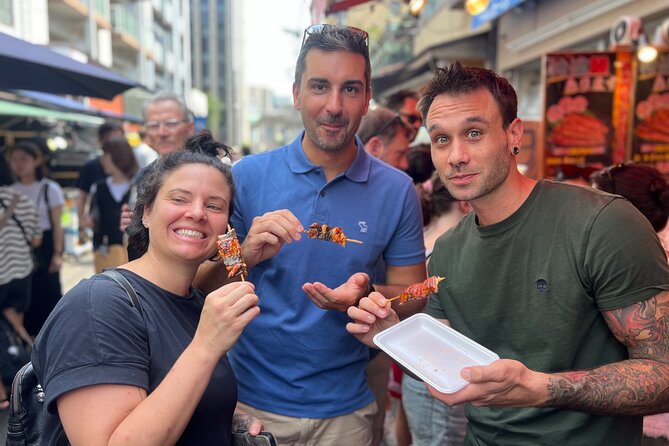
At $30 per person, the price is mainly paying for orientation and guidance, not food. Your admission to the listed stops and the English-speaking local guide are included. The food is separate.
That can be good value if you are likely to feel lost in Tsukiji or want help choosing dishes. A guide who knows the stalls may save you from wasting money on food that does not suit you, and the cultural explanations add more than a simple self-guided snack run.
It is less compelling if you are comfortable navigating markets alone and already know what you want to eat. Tsukiji can be visited independently, and some people may prefer to set their own pace without a temple stop or group schedule.
The best comparison is not $30 versus free. It is $30 plus food against the time and uncertainty of finding your own route. For a first visit, especially with children or people who are cautious about unfamiliar food, the fee can be worthwhile. For experienced Tokyo visitors seeking a long, leisurely meal, a self-guided visit may offer more freedom.
Who should book this Tsukiji walk?
I would recommend it most strongly to first-time visitors who want a friendly introduction to Japanese market food. It is also a good fit if you want to try seafood but do not know which stalls to trust, or if you want explanations in English while you browse.
Families may appreciate the short schedule and the guide’s help keeping children engaged. Food-focused visitors can use the flexible format to pick dishes that match their interests. You will also benefit if you prefer small groups, since the maximum is 10 people.
I would think twice if you want a formal tasting menu, a quiet sit-down meal, or a tour devoted entirely to the wholesale fish trade. The temple is part of the experience, food costs extra, and the market can still be busy and crowded even with a guide.
You can cancel for a full refund if you do so at least 24 hours before the start time. Changes or cancellations made later are not accepted for a refund.
My verdict: a useful first taste of Tsukiji
This tour succeeds because it removes much of the guesswork from Tsukiji. You get a temple visit, market background, food guidance, and the freedom to choose your own purchases. The best moments are likely to come from the guide’s personal advice, especially when deciding between unfamiliar foods or spotting better value.
Book it if you want an easy, social introduction and are happy to pay separately for what you eat. Bring yen, allow room in your appetite, and think of the outing as a guided sampler rather than a complete market day. If you already know Tsukiji well, skip the tour and spend the $30 on food instead.
FAQ
How long does the Tsukiji food and walking tour last?
The tour lasts approximately two hours.
What places does the tour visit?
It visits Tsukiji Hongwanji Temple, Tsukiji Fish Market, and Tsukiji Jogai Market.
Is food included in the tour price?
No. Food and drinks are not included. You choose and pay for the dishes you want to eat.
How does the food selection work?
There is no set menu. You can choose from available market foods based on your preferences and appetite.
What foods might be available?
Possible foods include fresh seafood, sushi, fruit, Japanese omelets, fried fish cakes, sea urchin, eel, wagyu beef, and other local dishes.
How much extra money should I bring for food?
One practical account recommends carrying about 10,000 Japanese yen for food purchases. Your spending can vary because you choose what to buy.
Where does the tour start?
It starts at Starbucks Coffee near Tsukiji Station, at 2-chōme 12-8 Tsukiji, Chuo City, Tokyo.
Where does the tour finish?
The activity ends back at the meeting point.
How many people can join the tour?
The maximum group size is 10 people.
Can I cancel for a refund?
Yes. You can cancel at least 24 hours before the experience start time for a full refund. Cancellations or changes made less than 24 hours before the start time are not accepted for a refund.
More Fish Market Tours around Tokyo
- Tokyo Sushi Making Class in Tsukiji with Professional Chef
★ 5.0 · 1,177 reviews - Tsukiji Fish Market Guided Tour and Sushi Making with Pro Chef
★ 5.0 · 775 reviews - Tokyo: Tsukiji Fish Market Sushi Making Class with Pro Chef
★ 4.9 · 506 reviews - Tokyo Tsukiji Fish Market Tour and Sushi Making Lesson
★ 5.0 · 390 reviews
More Market Walking Tours in Japan
- Tokyo: Tsukiji Fish Market Guided Walking Tour
★ 4.9 · 1,397 reviews - Nishiki Market Brunch Walking Tour (7 Tastings + Brunch)
★ 5.0 · 1,355 reviews - Kuromon Market Food Walking Tour in Osaka (6 stops, 6 tastes)
★ 5.0 · 550 reviews - Kyoto Nishiki Market Food and Culture Walking Tour
★ 5.0 · 412 reviews
New market tours around Tokyo
- Private Toyosu & Tsukiji Market Adventure with Tuna Auction★ 4.8 · 191 reviews
- Tsukiji Fish Market: Street Food & Culture Walking Tour★ 4.8 · 259 reviews
- Tokyo Tsukiji Fish Market Tour and Sushi Making Lesson★ 5.0 · 390 reviews
- Tokyo Food Tour Taste Fresh Delights at Tsukiji Market★ 5.0 · 429 reviews
- Tokyo: Tsukiji Fish Market Sushi Making Class with Pro Chef★ 4.9 · 506 reviews
- Tsukiji Fish Market: Street Food & Culture Walking Tour★ 5.0 · 669 reviews
- Tsukiji Fish Market Small-Group Food Walking Tour★ 5.0 · 621 reviews
- Tokyo: Tsukiji Fish Market Food and Culture Walking Tour★ 4.7 · 757 reviews
Tokyo Market Tours, side by side.
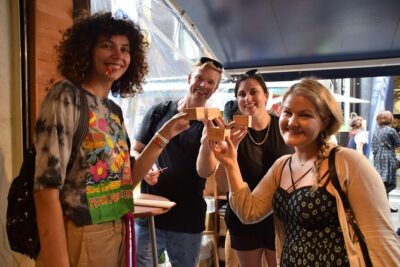
Tokyo Tsukiji Fish Market Food and Culture Walking Tour
Read our review →
Tokyo: Tsukiji Fish Market Guided Walking Tour
Read our review →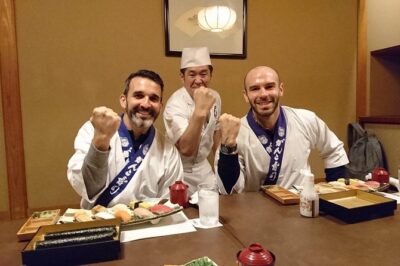
Tsukiji Fish Market Guided Tour and Sushi Making with Pro Chef
Read our review →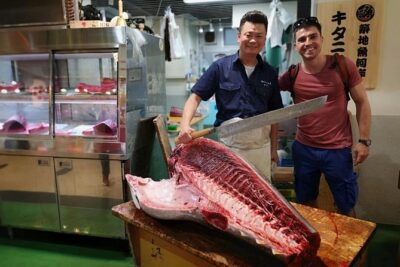
Tsukiji Fish Market Small-Group Food Walking Tour
Read our review →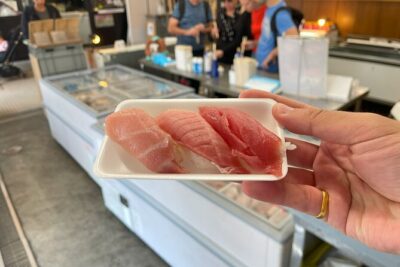
Tokyo Food Tour Taste Fresh Delights at Tsukiji Market
Read our review →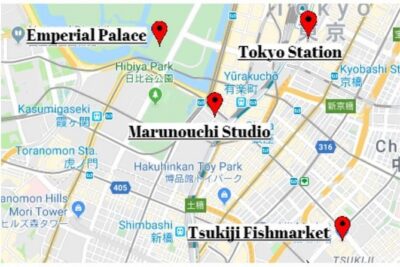
Tokyo Tsukiji Fish Market Tour and Sushi Making Lesson
Read our review →