Review · TOKYO
Tsukiji Fish Market: Street Food & Culture Walking Tour
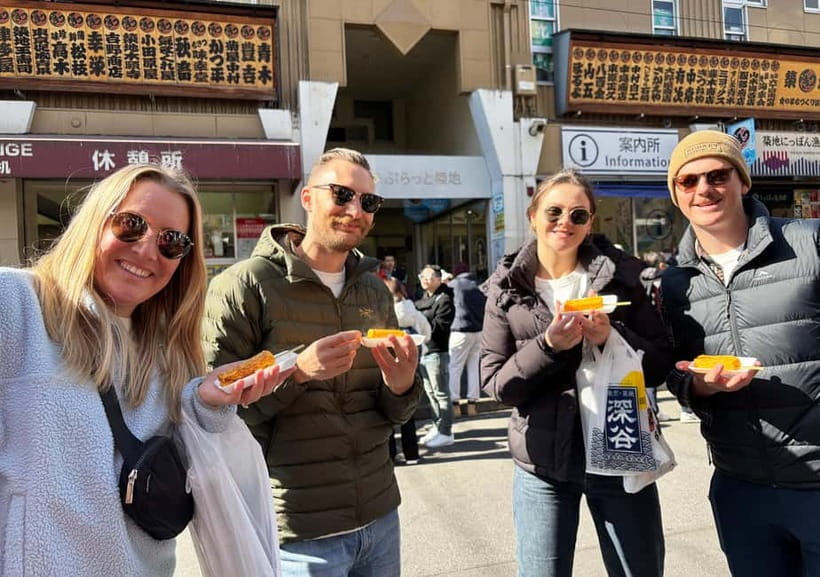
Tsukiji is best understood one bite at a time. This two-hour walk takes you through street-food stalls, seafood counters, and working market lanes, then adds a traditional fish-cutting show and a short visit to Tsukiji Hongwanji Temple. It is a practical way to get your bearings before exploring on your own.
I like the small-group format and the chance to see skills that are easy to miss when you wander alone. I also like that the tour connects food with Japanese customs, cooking methods, and local history instead of treating the market as a simple snack stop.
The main caution is the group size, which can reach 30 people. That is larger than the phrase small group may suggest. Crowds, waiting at stalls, and a guide who speaks too softly or does not keep the group together can reduce the value.
Key Points at a Glance
- Watch a whole fish become fillets: A chef demonstrates traditional cutting methods before the group sees a seafood bowl.
- Eat your way through Tsukiji: The guide helps you choose from market stalls, but meals are not included in the price.
- Visit Tsukiji Hongwanji Temple: The 15-minute stop adds a short lesson in Buddhism and local culture.
- Expect about two hours: The schedule divides time between street food, the fish-cutting demonstration, the market, and the temple.
- Guides can shape the experience: George and Tomo have received praise for food recommendations and clear explanations, but guide quality may vary.
- Plan for crowds: New Year periods and busy market lanes can make it hard to stay together or reach every stall.
Why Tsukiji Works Best With a Food Guide
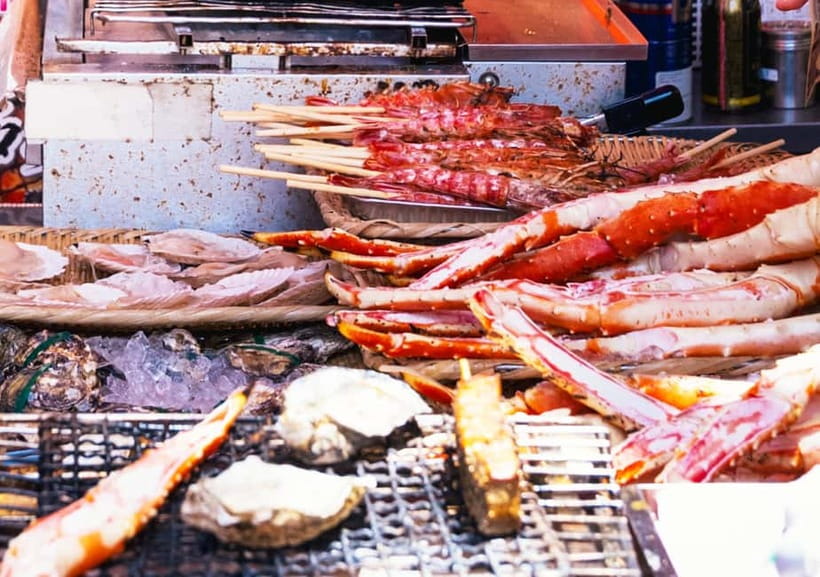
The outer market, known as Tsukiji Jogai Market, is a maze of small shops and food stands. You can walk through it independently, but a guide gives the visit some order. Instead of spending your whole morning deciding where to stop, you follow a route built around Japanese ingredients, cooking, and market customs.
That matters at Tsukiji because the appeal is not only the food. You are also watching how vendors display seafood, how chefs prepare it, and how traditional skills fit into daily life. A local guide can explain what you are seeing while you stand in a crowded lane with a snack in hand.
I like this approach for a first visit. It gives you a working introduction without asking you to study a market map first. It also helps if you are unsure about Japanese dishes or ingredients and want someone to explain what you are ordering.
Still, you should set your expectations correctly. This is not a private food crawl with unlimited tastings. Meals are not included, so you pay for the food you choose. The guide helps you find and understand the stalls, but the total cost depends on what you buy.
More Market Food Tours in Japan
- Tokyo Tsukiji Fish Market Food and Culture Walking Tour
★ 5.0 · 3,184 reviews - Tokyo: Tsukiji Fish Market Food and Walking tour
★ 5.0 · 1,724 reviews - Tokyo: Tsukiji Fish Market Food and Culture Walking Tour
★ 4.7 · 757 reviews
Starting at Tsukiji Hongwanji Temple
The meeting point is in front of Tsukiji Hongwanji Temple at 3-chōme-15-1 Tsukiji. Starting here gives the tour a calmer opening before the market lanes become crowded.
The temple stop lasts about 15 minutes. A local guide explains the building’s appeal along with Buddhist culture and history. That is a short visit, so you should not expect an extended temple tour or a detailed religious lecture. Think of it as context for the neighborhood and a quick look at an important local site.
Some people may find this stop useful, especially if Japanese Buddhism is unfamiliar. Others may consider it the least essential part of the outing, particularly if their main goal is food. The value depends on your interests.
I would arrive ready to begin on time. The market portion is easier when the whole group moves together from the start. The meeting point is near public transportation, which makes it practical to reach before the morning activity.
Street Food Through the Eyes of a Local
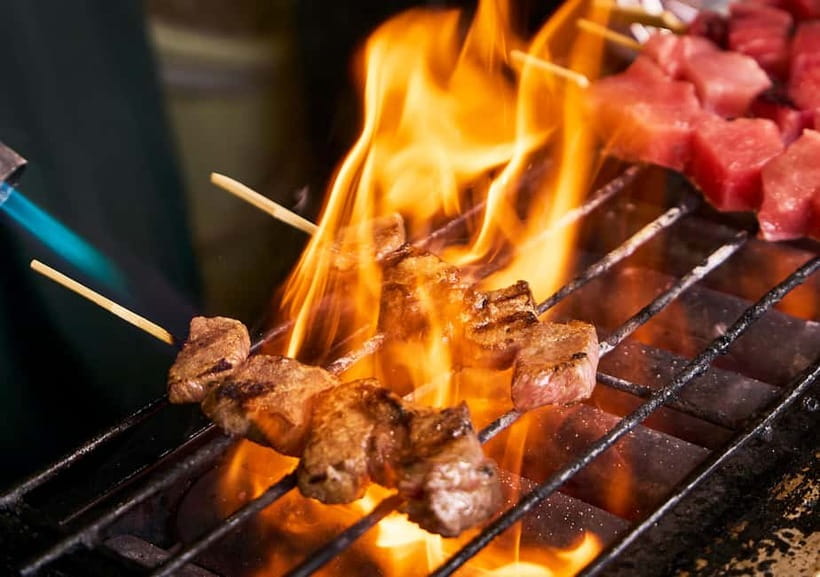
The first market segment takes about 45 minutes. Your guide leads you through Tsukiji Jogai Market and points out Japanese cooking ingredients while helping you choose food from the stalls.
This is the heart of the experience. You can expect to stop at different stands, learn about the foods on offer, and try items that may be difficult to identify on your own. The focus is on Japanese food culture rather than on one formal meal.
A strong guide can make a large difference here. George has been praised for taking people to appealing food spots and helping them find a wide range of things to try. Tomo has also received praise for explaining local culture and market food clearly. Since guides can change, you should treat those names as examples, not a guarantee of who will lead your group.
The practical benefit is choice. You may want seafood, while someone else in your group prefers a different kind of snack. A guide can point you in the right direction without forcing everyone into one dish. The downside is that the group may need to wait while people decide, order, eat, or catch up.
The market can feel tight and hectic, particularly around New Year. Some people have found the stops slow or disorganized, while others felt the guide made the market much easier to understand. Both reactions make sense. A food market is naturally crowded, and a group of up to 30 people needs more time to move than a couple walking alone.
Wear comfortable shoes and keep your belongings close. The tour is a walking experience through active market lanes, not a quiet tasting room.
The Fish-Cutting Demonstration
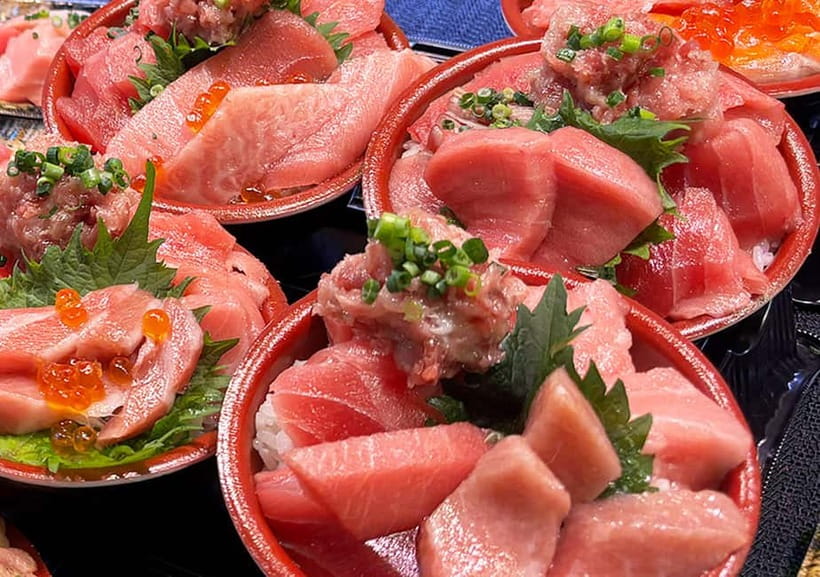
The next Tsukiji Jogai Market stop lasts about 30 minutes and includes a fish-cutting show. A skilled chef fillets a whole fish using traditional techniques, then the group sees a fresh seafood bowl afterward.
This is the most distinctive scheduled feature. Street-food stalls are easy to find without a tour, but a demonstration gives you a closer look at the work behind the food. You see how much control and practice are needed to prepare seafood neatly and efficiently.
The show also adds a useful link between the market and the meal. You are not simply told that seafood is important in Japanese cooking. You see one traditional preparation method, then connect it with the finished dish.
The listing includes admission to this part, but meals are not included. That means you should allow extra money if you want the seafood bowl or other food during the walk. The $33.16 tour price covers the guided experience, not an all-inclusive food package.
For anyone who enjoys food technique, this is likely worth more than another generic market walk. If you do not eat seafood, the demonstration may still interest you as a craft display, but the food element will naturally have less appeal.
More Market Food Tours in Tokyo
- Tsukiji Fish Market Small-Group Food Walking Tour
★ 5.0 · 621 reviews - Tokyo Food Tour Taste Fresh Delights at Tsukiji Market
★ 5.0 · 429 reviews - Tsukiji Fish Market: Street Food & Culture Walking Tour
★ 4.8 · 259 reviews
Entering the Working Fish Market
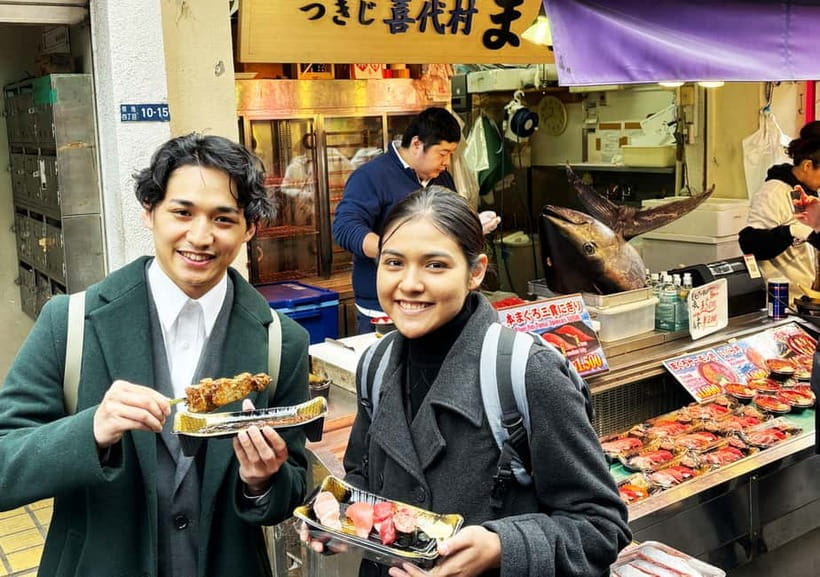
The third stop lasts about 30 minutes and takes you through Tsukiji Fish Market, where professional traders operate. This gives the tour a different feel from the public-facing food stalls.
The outer market is built for people who want to browse and eat. The fish-market section shows the commercial side of the area. You get a look at a place where seafood is handled as a trade, not only as a finished dish on a plate.
The distinction is important. Tsukiji is not just a row of colorful snack stands. Its identity also comes from the people who buy, sell, prepare, and distribute food. A guide can help you understand that working side of the market while reminding the group to move respectfully.
This section may be less polished than a planned attraction. You might need to pause, wait for space, or adjust your route. One complaint about the experience was that too much time went into stopping and waiting, while another person felt the guide did not always wait for the group. Those are useful warnings for anyone who prefers a tightly timed walk.
The group size matters most here. With up to 30 people, staying close to the guide is sensible. If you have trouble hearing in crowds, position yourself near the front and ask the guide to repeat important points.
What the Guides Add, and Where They May Fall Short
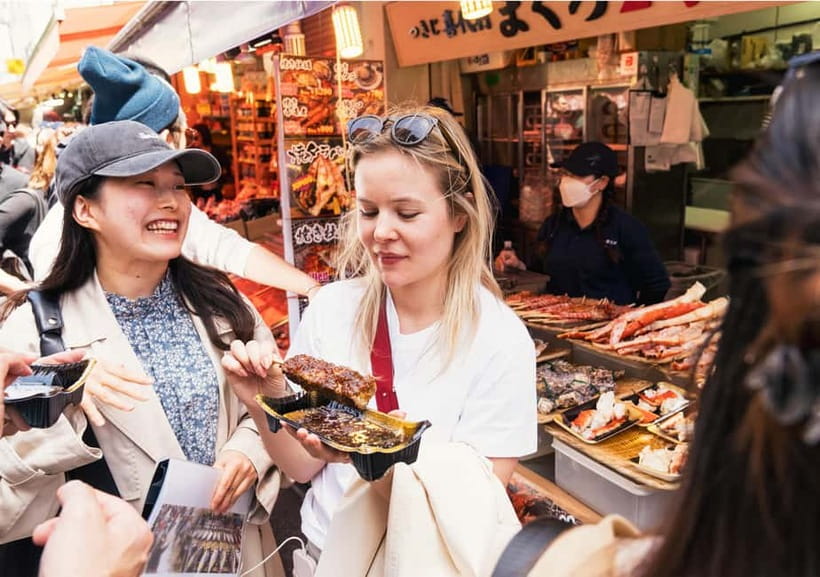
The strongest part of this tour is the human explanation. Food stalls do not come with much English context, and market customs can be easy to miss. A good guide can explain ingredients, point out worthwhile stops, and add background about Tokyo and Japanese cooking.
The best feedback has focused on guides who were clear, friendly, and attentive. George was praised for finding good places to eat. Tomo was praised for explaining history and culture in clear English. That kind of help is exactly what you are paying for.
But the quality of a walking tour depends heavily on communication. One person found the guide too quiet to hear over the market noise. Another felt the guide moved on without always waiting. If the group is spread across a narrow lane, even a good explanation can get lost.
You can improve your chances by staying near the guide, speaking up early if you cannot hear, and keeping track of the next meeting point. If you need frequent shade or cannot remain in direct sun, tell the guide clearly at the beginning. One complaint involved repeated stops in the sun despite a request for more sheltered places.
The experience is advertised as wheelchair and stroller accessible. That is useful, but market access can still feel demanding when lanes are crowded and groups stop at food counters. If you use a wheelchair or stroller, confirm your needs with the provider before booking and stay close to the guide.
Is $33.16 a Fair Price?
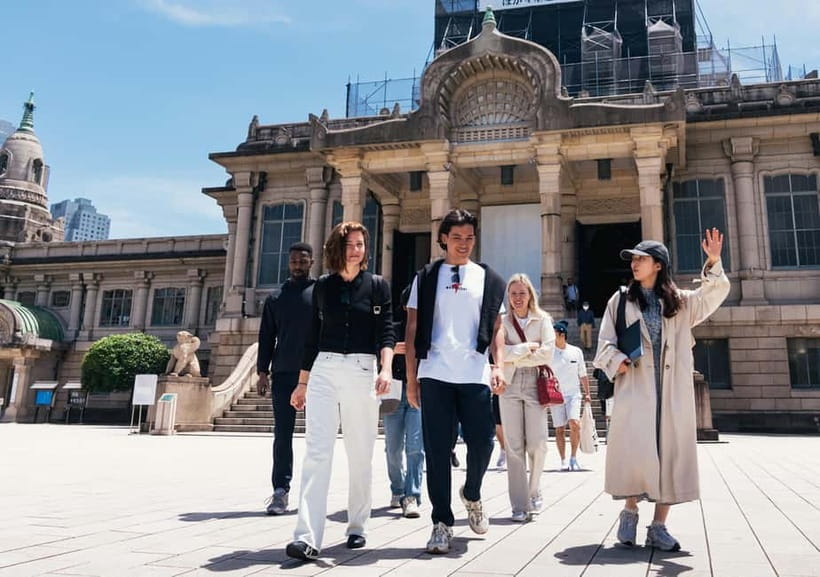
At $33.16 per person, the price is reasonable if you want orientation, food explanations, and the fish-cutting demonstration. It is less compelling if you plan to walk through Tsukiji on your own, skip most food purchases, and mainly want to look around.
The price covers a guided tour of the market and admission to the fish-cutting show. It does not cover meals. That detail matters because the food is central to the experience, so your actual morning cost will be higher if you sample several dishes.
Value also depends on the guide. A strong guide turns a confusing market into a clear introduction to Japanese ingredients and food customs. A weak or hard-to-hear guide can leave you feeling that you paid for directions you could have followed yourself.
The 5.0 rating from 669 reviews and 99 percent recommendation figure suggest that the experience has worked very well for many people. They should not erase the practical concerns about crowds, waiting, sun, and uneven guiding. Use the tour for its structure and access to the demonstration, not as a guarantee of a private food adventure.
Who Will Enjoy This Two-Hour Walk?
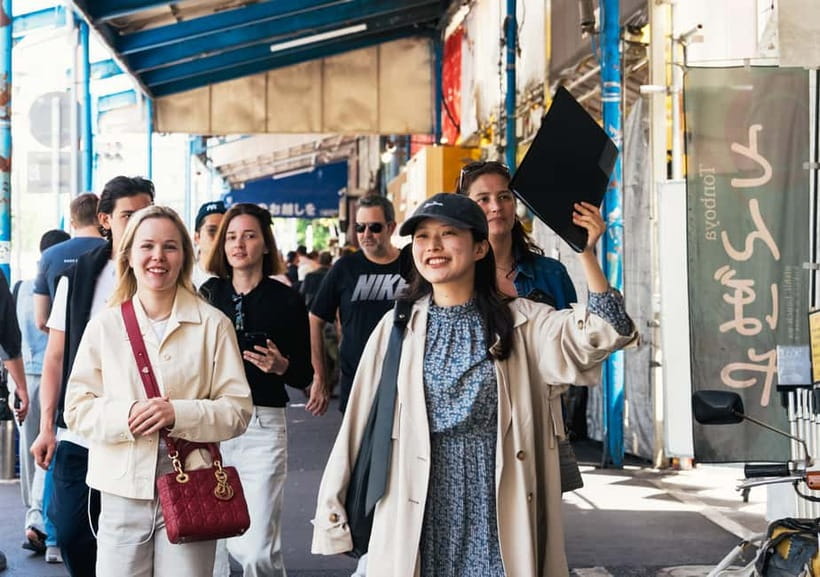
I would recommend this tour to a first-time Tokyo visitor who wants a short introduction to Tsukiji without planning every stop. It also suits people who enjoy trying unfamiliar food but want help understanding what they are buying.
Families may appreciate the short duration and stroller accessibility. The market can still be crowded, so parents should be prepared for a slower pace and limited room around some stalls.
Food lovers who enjoy traditional preparation will get the most from the fish-cutting show. People interested in Japanese culture may also like the temple stop and the explanations linking food, Buddhism, and local life.
You may want to skip it if you prefer to explore independently, dislike group movement, or need a quiet and highly organized tour. It is also less suitable if you expect all food to be included in the price.
The tour ends back at the meeting point, which makes it easy to continue exploring Tsukiji afterward. Since the activity lasts about two hours, you still have time to return to stalls you liked or find more food on your own.
Practical Details Before You Book
The experience uses a mobile ticket, and confirmation is provided when you book. It runs for approximately two hours and begins at Tsukiji Hongwanji Temple.
Most people can participate, and public transportation is nearby. The maximum group size is 30, despite the small-group description, so do not expect the intimacy of a private tour.
The activity requires good weather. If poor weather cancels the tour, you are offered another date or a full refund. You can cancel for a full refund up to 24 hours before the start time, but changes or cancellations made within 24 hours are not accepted.
Bring patience for crowds and enough money for food. Keep the guide in sight, especially in the narrow market lanes, and ask for repetition if you cannot hear.
Should You Book the Tsukiji Market Tour?
Book it if you want a guided first look at Tsukiji, enjoy sampling food, and like the idea of seeing a traditional fish-cutting demonstration. The combination of market stalls, working seafood trade, and a temple visit gives the morning more substance than a simple snack walk.
Skip it if you are comfortable exploring alone or want a polished, quiet, private experience. The group may be as large as 30, food costs extra, and crowds can lead to waiting or missed stalls.
For most first-time visitors, the fair price and useful structure make this a sensible introduction. Just treat the guide as the main value, stay close to the group, and keep your expectations focused on local food culture rather than a full historical tour.
FAQ
How long does the Tsukiji Fish Market tour last?
The tour lasts approximately two hours.
Where does the tour begin?
It begins at Tsukiji Hongwanji Temple, at 3-chōme-15-1 Tsukiji, Chuo City, Tokyo 104-0045, Japan.
Where does the tour end?
The activity ends back at the meeting point.
Is food included in the tour price?
No. Meals are not included. You pay separately for food you choose during the market walk, including the seafood bowl after the fish-cutting demonstration.
Is the tour wheelchair and stroller accessible?
Yes. The activity is described as wheelchair and stroller accessible.
How large can the group be?
The maximum group size is 30 people.
Is the fish-cutting show included?
Admission to the fish-cutting show is included. The meal afterward is not included.
Can I cancel for a full refund?
Yes. You can cancel at least 24 hours before the experience start time for a full refund. If poor weather causes the provider to cancel, you are offered another date or a full refund.
More Fish Market Tours around Tokyo
- Tokyo Sushi Making Class in Tsukiji with Professional Chef
★ 5.0 · 1,177 reviews - Tsukiji Fish Market Guided Tour and Sushi Making with Pro Chef
★ 5.0 · 775 reviews - Tokyo: Tsukiji Fish Market Sushi Making Class with Pro Chef
★ 4.9 · 506 reviews - Tokyo Tsukiji Fish Market Tour and Sushi Making Lesson
★ 5.0 · 390 reviews
More Market Walking Tours in Japan
- Tokyo: Tsukiji Fish Market Guided Walking Tour
★ 4.9 · 1,397 reviews - Nishiki Market Brunch Walking Tour (7 Tastings + Brunch)
★ 5.0 · 1,355 reviews - Kuromon Market Food Walking Tour in Osaka (6 stops, 6 tastes)
★ 5.0 · 550 reviews - Kyoto Nishiki Market Food and Culture Walking Tour
★ 5.0 · 412 reviews
New market tours around Tokyo
- Private Toyosu & Tsukiji Market Adventure with Tuna Auction★ 4.8 · 191 reviews
- Tsukiji Fish Market: Street Food & Culture Walking Tour★ 4.8 · 259 reviews
- Tokyo Tsukiji Fish Market Tour and Sushi Making Lesson★ 5.0 · 390 reviews
- Tokyo Food Tour Taste Fresh Delights at Tsukiji Market★ 5.0 · 429 reviews
- Tokyo: Tsukiji Fish Market Sushi Making Class with Pro Chef★ 4.9 · 506 reviews
- Tsukiji Fish Market Small-Group Food Walking Tour★ 5.0 · 621 reviews
- Tsukiji Fish Market Guided Tour and Sushi Making with Pro Chef★ 5.0 · 775 reviews
- Tokyo: Tsukiji Fish Market Food and Culture Walking Tour★ 4.7 · 757 reviews
Tokyo Market Tours, side by side.
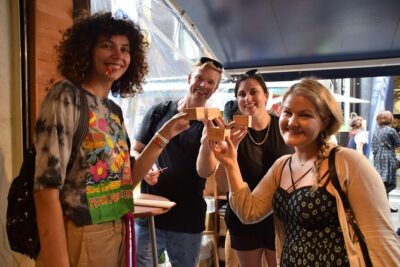
Tokyo Tsukiji Fish Market Food and Culture Walking Tour
Read our review →
Tokyo: Tsukiji Fish Market Guided Walking Tour
Read our review →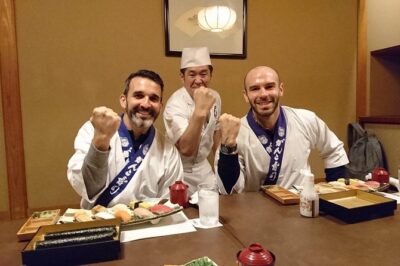
Tsukiji Fish Market Guided Tour and Sushi Making with Pro Chef
Read our review →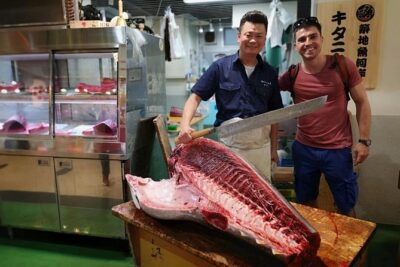
Tsukiji Fish Market Small-Group Food Walking Tour
Read our review →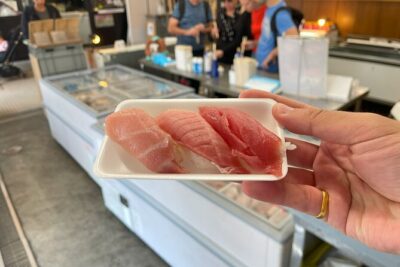
Tokyo Food Tour Taste Fresh Delights at Tsukiji Market
Read our review →
Tokyo Tsukiji Fish Market Tour and Sushi Making Lesson
Read our review →