
Review · NAIROBI
Market Tour and Traditional Kenyan Cooking Class in Nairobi
The best part of this four-hour Nairobi experience happens before anyone turns on the stove. You start at a local market, choose fresh ingredients, then carry them into a Kenyan home where the meal takes shape. It gives you a look at ordinary food shopping and home cooking, not just a plate served to you in a restaurant.
I like two things right away: the private format means you can ask questions without fighting for attention, and the food is made from scratch. You also get to help with chapati, ugali, pilau, or curry, depending on the meal prepared that day.
The main consideration is space. The kitchen is small, so the host does most of the cooking while you assist. That makes this more of a personal cooking demonstration with hands-on moments than a full commercial cooking school.
Key points to know before booking
- The market comes first: You shop for fresh local ingredients before heading to the host’s home.
- The cooking is Kenyan with Indian influence: Expect dishes such as ugali, chapati, pilau, and curry.
- Your group has the host’s attention: This is a private activity, not a large shared class.
- The home kitchen is small: You will help where possible, but the host handles much of the cooking.
- The meeting point is K Mall Komarock parking lot: Transport to and from the market is included, but Uber fees are not.
- The price is $55 per person: Food, soda, fruit, and water are included in the four-hour session.
Why the market makes this more than a cooking class
A cooking class can begin with neat bowls of measured ingredients. This one begins with the less polished, more useful part: buying the food.
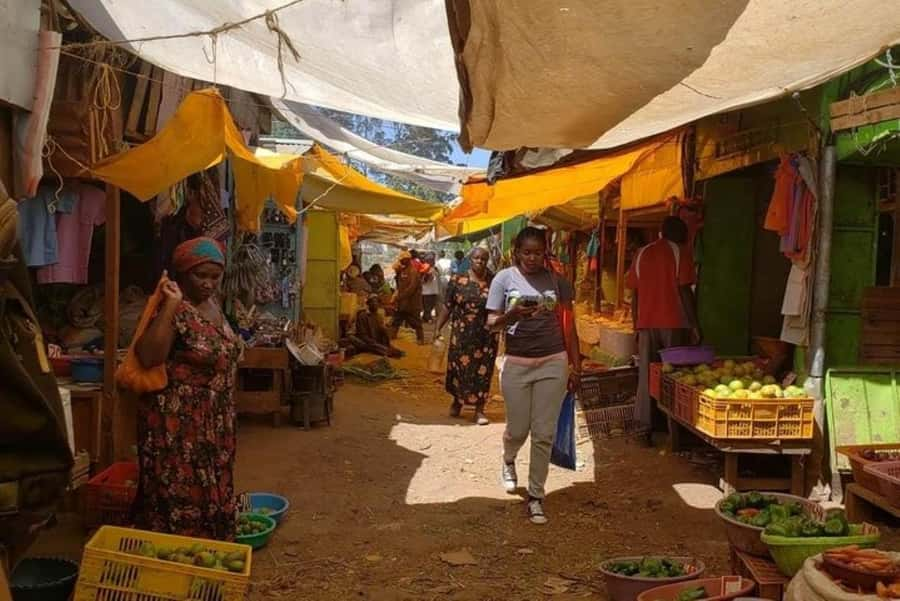
You meet at the K Mall Komarock parking lot and proceed to a local market with your host. The market visit gives the experience its strongest cultural edge. Instead of only hearing about Kenyan food, you see the raw materials being selected for the meal and get a closer look at how everyday shopping works.
The exact market route and ingredients can vary, but the purpose is clear. You are buying fresh supplies for the dishes you will later prepare. That connects the meal to real household routines and gives you a reason to ask about vegetables, grains, spices, and cooking methods as you go.
I like this order. It helps you understand the food before it reaches the plate. You are not simply told that ugali is a staple or that chapati is popular. You see the ingredients, then watch them become lunch.
The market may also be the liveliest part of the outing. It is worth allowing yourself time to look around rather than treating it as a quick shopping stop. Keep your attention on the guide, stay with your private group, and wear comfortable shoes. The meeting point is specific, so confirm the timing and location details before setting out.
More Market and Cooking Class Tours in the world:
- Hanoi Cooking Class: Culture, Local Market & Meaning CSR Impact
★ 5.0 · 5,147 reviews - 5 Traditional Dishes Hanoi Cooking Class with Market Trip
★ 5.0 · 4,890 reviews - Cooking Class and Lunch at a Tuscan Farmhouse with Local Market Tour from Florence
★ 5.0 · 4,831 reviews
From market goods to a Kenyan home kitchen
After shopping, you go to the host’s home and begin preparing the meal. This shift from public market to private home is what gives the activity a personal feel.
The host is listed as Evaline Mbugua, and the experience is offered in English and Swahili. One account also identifies the cooking host as Mary Evelyn, so I would confirm the host’s name when booking if that matters to you. The important point is that you are learning directly from a local host in her own home rather than from a rotating restaurant instructor.
The home setting has limits, but those limits are part of the experience. The kitchen is described as small, which means the host will do much of the cooking. You should not expect every person in the group to have a station, burner, and full set of equipment.
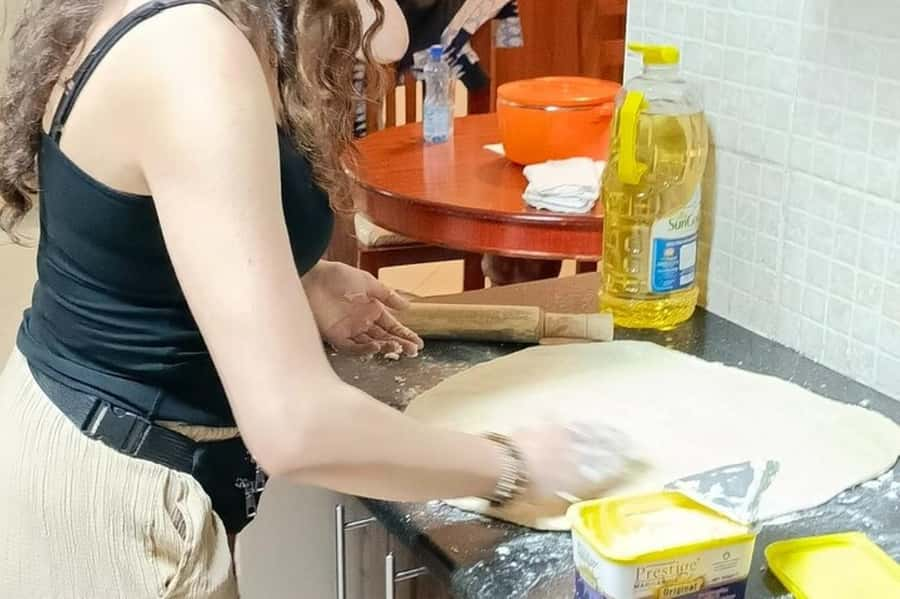
Instead, think of it as a close cooking demonstration with chances to help. You may mix, shape, stir, or assist with preparation, while the host manages the heat and timing. That arrangement suits people who want conversation and cultural exchange along with food skills.
One especially appealing detail is the relaxed time spent preparing food together. You may sit and talk with the host between tasks, ask about home cooking, and learn how a familiar Kenyan meal comes together in a real household. The setting is informal rather than staged for a large audience.
The dishes: ugali, chapati, pilau, and curry
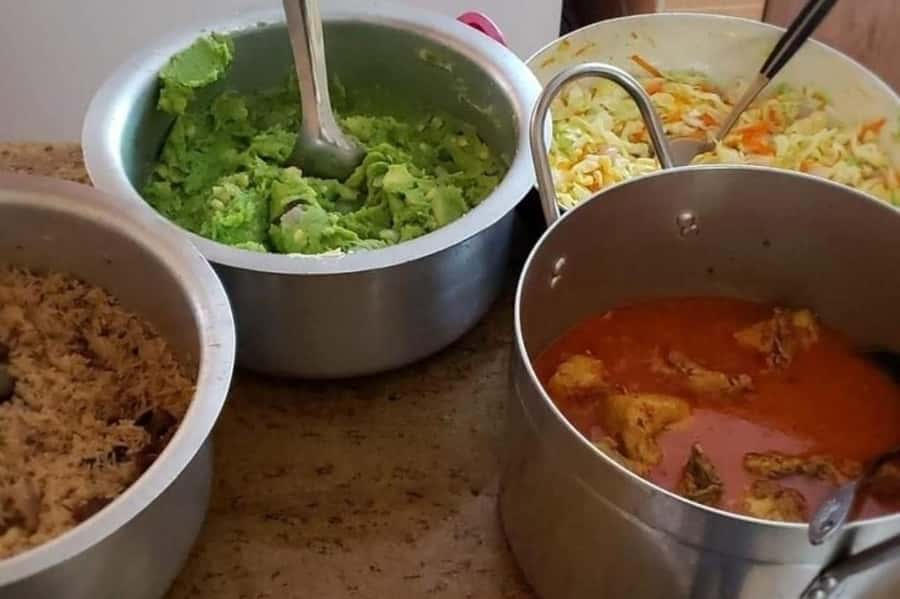
The meal combines Kenyan staples with Indian influences. The listed examples include ugali, chapati, pilau, and curries, though the exact selection may depend on the ingredients available and the day’s plan.
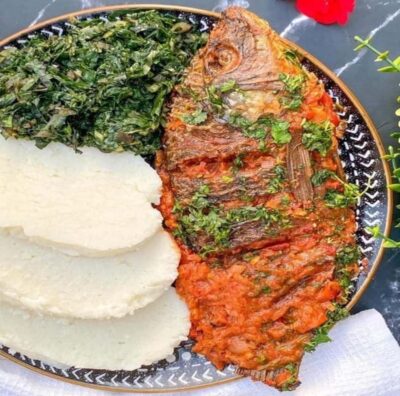
Ugali is made from cornmeal and is one of the clearest introductions to Kenyan everyday food. The appeal here is not just eating it. You can see how the texture develops and how the host handles a dish that is simple in its ingredients but important at the table.
Chapati offers more obvious hands-on work. The host can show you how to prepare this soft, flat bread, and you may help with the preparation. It is a good dish for a cooking lesson because the dough, shaping, and cooking all happen in front of you.
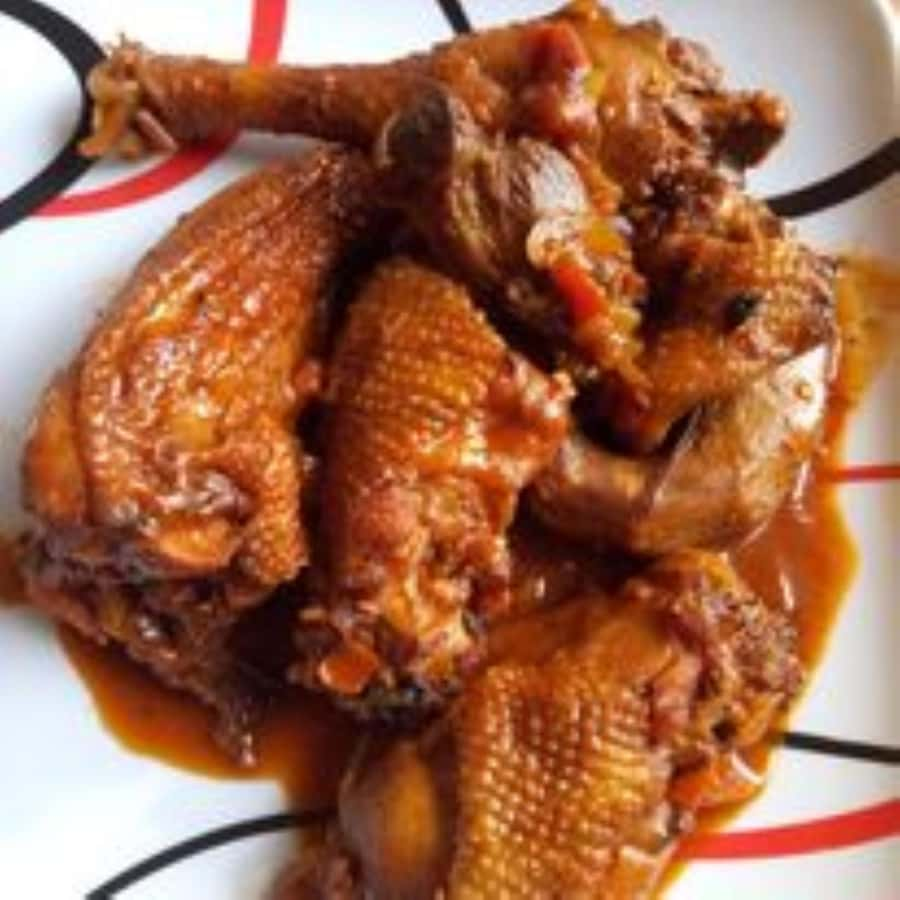
Pilau brings a seasoned rice dish to the menu, while curry reflects the Indian influence mentioned in the activity details. Together, these foods give you a broader picture than a single national specialty. You get a meal built from several parts, with different textures and methods.
The food is prepared from scratch, and the meal is eaten after cooking. That matters for value. You are paying for instruction, ingredients, a market visit, and a shared meal, not simply for a restaurant lunch.
The phrase traditional Kenyan cooking should still be understood in a practical way. This is home-style food with Kenyan and Indian influences, not a formal survey of every regional cuisine in Kenya. The experience is focused on a few familiar dishes and the host’s own way of preparing them.
What the private format changes
This is a private group experience, which can make a big difference in a small kitchen. Your party does not have to share the host’s attention with a large class, and you can ask questions about ingredients, cooking habits, or Kenyan culture as they come up.
A private session also gives you more control over the conversation. If you are curious about chapati, you can spend more time on that. If ugali is new to you, you can ask about its place in a meal. The guide speaks English and Swahili, so communication is supported in both languages.
There is a trade-off. Private does not mean professionally equipped. The small home kitchen limits how much active cooking each person can do. If your main goal is to prepare every dish alone, this may feel less hands-on than expected.
If your goal is personal contact and an ordinary home setting, the format makes more sense. You are getting access to a local household and a direct exchange with the host. That is different from a polished culinary studio, and for many people it is the more memorable part.
More market tours around the world:
- Bangkok: Damnoen Saduak Market and Maeklong Railway Market
★ 4.5 · 26,723 reviews - The Old Siam: Damnoen Saduak and Maeklong Railway Market
★ 4.5 · 10,992 reviews - Dubai: Old Town, Creek, Museums, Souks, & Street Food Tour
★ 4.8 · 10,816 reviews - Bangkok: Train Market & Floating Market with Boat Ride
★ 4.7 · 9,547 reviews
What the four hours are likely to feel like
The timing is long enough for the experience to have a clear rhythm without taking up an entire day.
You begin at K Mall Komarock parking lot, meet the host, and travel to the market. Transport to and from the market is included. Uber fees are not included, so you should budget separately if you use Uber to reach the meeting point or return elsewhere.
At the market, you shop for the meal. This is the observation and selection part of the outing. You have a chance to see the ingredients in their everyday setting and learn what will be used later.
The group then moves to the host’s home. Preparation begins, with the host guiding you through the meal. Because the kitchen is small, expect the host to take the lead on cooking while you help during suitable steps.
Finally, you sit down to eat what has been prepared. Food, soda, fruit, and water are included, so you do not need to arrange a separate meal during the activity. The experience also leaves room for conversation, which is one reason the private format works well here.
Four hours should feel comfortable for this plan, but the pace may depend on the market visit and the cooking. I would avoid scheduling an important appointment immediately afterward. Cooking and transport rarely run as tightly as a museum entry slot.
Is $55 per person a fair price?
At $55 per person, this is not the cheapest way to eat in Nairobi. But a direct food comparison misses what is included.
Your fee covers a market visit, transport to and from the market, ingredients, the cooking lesson, the meal, soda, fruit, and water. You are also paying for a private session rather than joining a large group. For someone interested in food and daily life, that package gives the price a reasonable basis.
The value is strongest if you take part in the conversation and preparation. If you only want to watch a host cook and eat, you may find a restaurant meal better suited to your budget. If you want context for the food and a look inside a local home, the added cost pays for access and time.
The small kitchen is the key value question. A person expecting a fully equipped class with individual workstations may feel the price is high. A person who wants a personal market-to-home experience may find it fair.
Food is included, but Uber is not. Check the meeting point against your accommodation and factor in your own transport costs. The activity allows free cancellation up to 24 hours in advance, and you can reserve now and pay later, which gives you some flexibility while planning.
Who will enjoy this experience most?
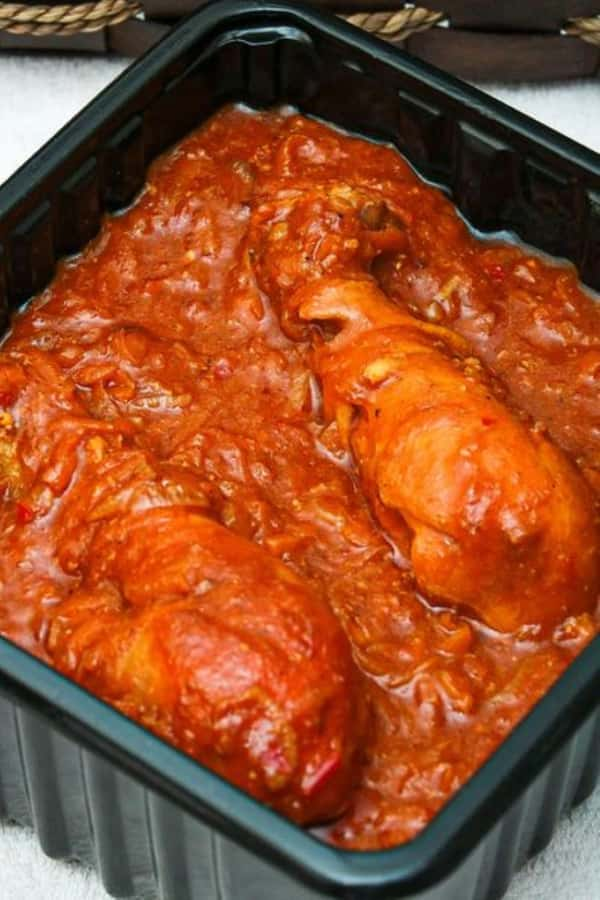
I would recommend it to people who prefer local food over formal sightseeing. It is a good match if you want to see ingredients in a market, learn a few practical dishes, and share a meal in a home setting.
It should also suit couples, families, and small private groups who enjoy conversation. Since the group is private, you can set the tone yourselves and ask the questions that interest you.
Food-focused visitors will get the most from the class, especially if chapati, ugali, pilau, and curry are new to you. The market stop adds useful context, while the home meal turns the lesson into a social experience.
I would be more cautious if you want a highly technical culinary course. The host does most of the cooking because of limited kitchen space, so the lesson is not designed around every participant preparing every dish independently.
This may also be less suitable for anyone looking for a quick activity. Four hours is a real half-day commitment, and the market and meal are meant to be enjoyed at an unhurried pace.
Practical advice for making the most of it
Confirm the meeting instructions for K Mall Komarock parking lot before the day begins. Since the activity starts at a central meeting place and includes transport to and from the market, arriving at the correct point matters.
Wear clothes and shoes you can comfortably use around food and a market. The information does not specify a dress code or accessibility details, so ask the host directly if you have mobility, dietary, or other practical needs.
Tell the host about food restrictions before booking or as early as possible. The listed meal may include cornmeal, wheat flour, rice, spices, and other ingredients, but no special dietary arrangements are promised in the details provided.
Bring curiosity rather than strict expectations. The best parts are likely to be the market choices, the explanations around home cooking, and the chance to help with a few steps. You do not need to treat the small kitchen as a problem, but you should know that it limits your role.
A few simple questions can open up the experience: How is this dish served at home? When is chapati usually eaten? What makes one curry different from another? Which ingredients are common in the market? The host can answer in English or Swahili, and these questions help connect the meal to daily life.
Should you book the Nairobi market and cooking class?
Book it if you want a private, food-centered look at Nairobi life and like the idea of shopping before cooking. The market visit, local home, Kenyan and Indian-influenced dishes, and included meal make this more personal than a standard restaurant outing.
Skip it if you want a large, fully equipped cooking school where every participant prepares every course. The small kitchen means the host will handle much of the cooking.
For most food-minded visitors, the strongest reason to go is the complete chain from market ingredients to home meal. At $55, the value depends on that cultural contact, not just the food. Confirm the host’s name, meeting details, and any dietary needs ahead of time, then book if a relaxed Kenyan home-cooking experience sounds like your kind of half-day.
FAQ
Where does the experience meet?
You meet at the K Mall Komarock parking lot before proceeding to the market.
How long does the activity last?
The activity lasts four hours.
How much does it cost?
The price is $55 per person.
Is the experience private?
Yes. It is offered as a private group activity for your party.
What food might I learn to prepare?
The meal may include Kenyan and Indian-influenced dishes such as ugali, chapati, pilau, and curries.
What is included in the price?
Food, soda, fruit, water, and transport to and from the market are included.
Are Uber fees included?
No. Uber fees are not included.
New market tours around the world
- Tel Aviv: 2-Hour Carmel Market Tour in English with Lunch★ 4.8 · 23 reviews
- Tel Aviv: Carmel Market & Neighborhood Guided Walking Tour★ 4.7 · 3 reviews
- Tel Aviv: 2-Hour Jaffa Flea Market Tour with Tastings★ 4.9 · 8 reviews
- Tel Aviv: Carmel Market Food Tasting Tour “Shuk Hacarmel”★ 4.0 · 8 reviews
- Tel Aviv: 2-Hour Levinsky Market Tour with Full Lunch★ 4.7 · 10 reviews
- Tbilisi 2 Parks: Turtle Lake & Dedaena Park with Flea Market★ 5.0 · 3 reviews
- Tbilisi: Street Food & Sightseeing Tour with Local Markets★ 5.0 · 8 reviews
- Teguise: Market and César Manrique Foundation Tour★ 4.3 · 39 reviews
Nairobi Market Tours, side by side.
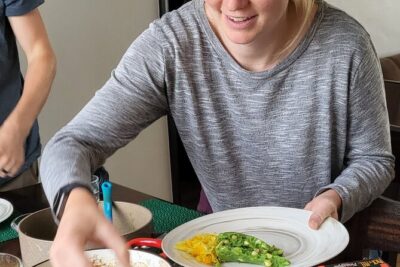
Traditional Kenyan Cooking Class & Local Market Tour
Read our review →
Memorable Daily KIBERA Slums/Toi Market Tour with Locals (2 hours)
Read our review →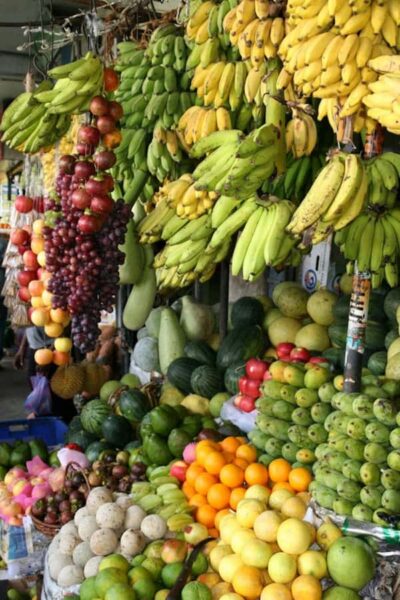
Authentic Kenyan Cooking Class & Market Tour in Nairobi
Read our review →
Nairobi: Hop on Hop off and Maasai market Collections Visit
Read our review →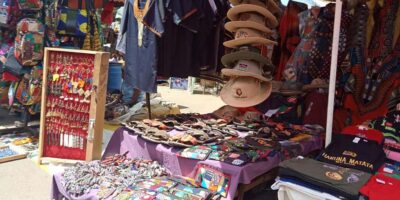
Nairobi: Explore Maasai Market for Unique Souvenirs
Read our review →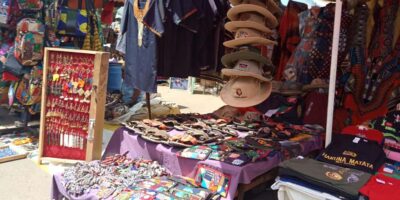

Nairobi Traditional Cooking Classes and Local Market Visit
Read our review →This tour also appears in